/filters:format(jpeg,png)/fit-in/300x300/guide_websites/87679/images/image26.png)
/filters:format(jpeg,png)/fit-in/237x80/guide_websites/87679/images/image26.png)
Walleye Fishing on the Rock River
%2Ffit-in%2F1000x1000%2Ffilters%3Aformat(webp)%2Fguide_websites%2F87679%2Fimages%2F1770229628737image58.png&w=1920&q=75)
Published: July 28, 2026
The Rock River offers anglers a rewarding mix of flowing water, changing structure, and healthy walleye habitat, making it one of southern Wisconsin's most dependable river fisheries. Stretching through several communities before continuing into Illinois, the river provides opportunities for both boat and shore anglers who are willing to adapt their approach to changing conditions.
Unlike many lakes where fish may remain in similar areas for long periods, walleyes in a river respond constantly to current, water levels, and food availability. Learning how these natural factors influence fish movement helps anglers spend more time targeting productive water instead of making random casts. With the right timing, equipment, and strategy, the Rock River can deliver steady action throughout much of the fishing season.
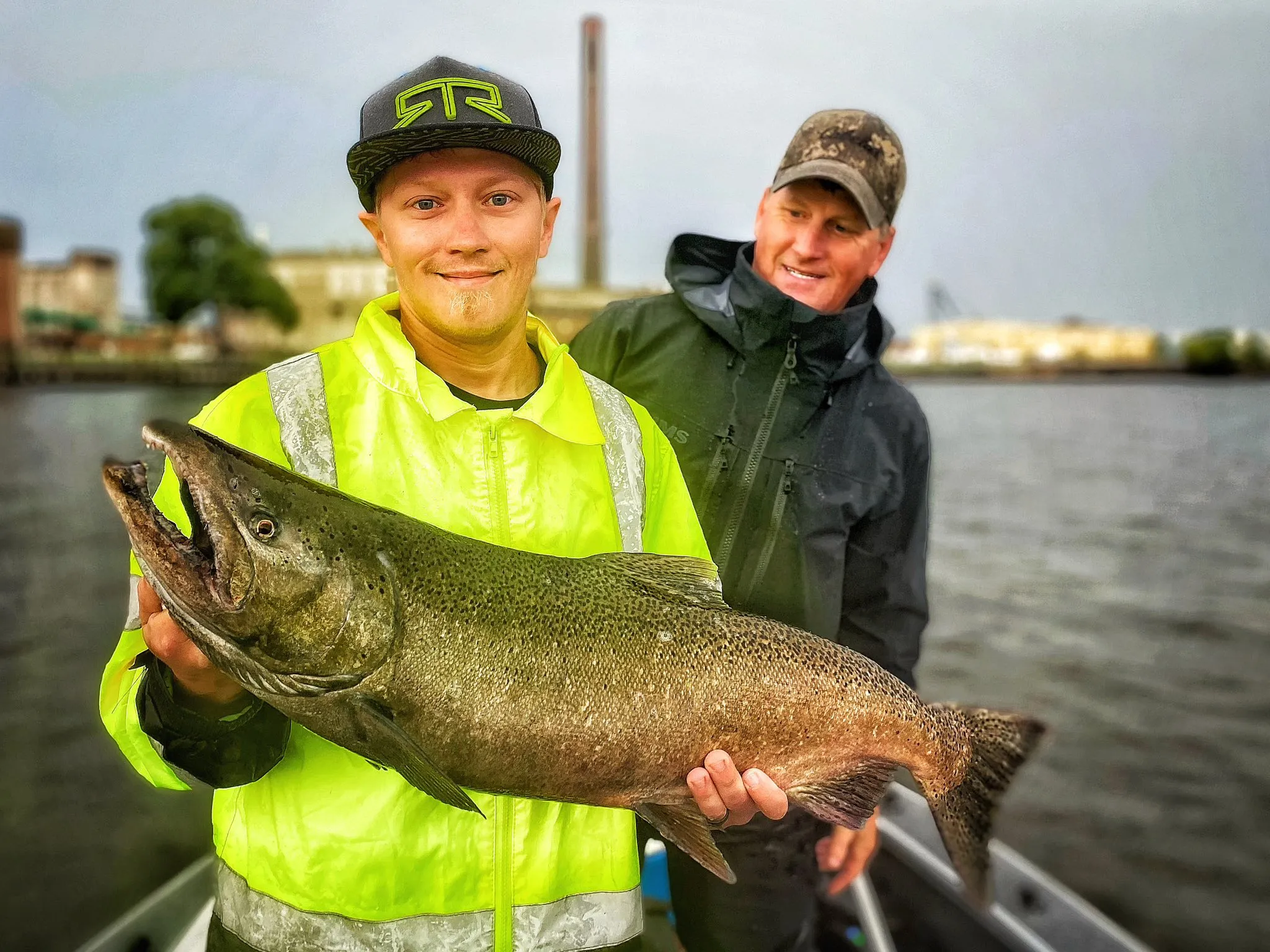
Understanding How Walleyes Use the Rock River
Walleyes constantly adjust their location based on water temperature, river flow, and the availability of food. During spring, they move toward gravel bottoms, moderate current, and shallow spawning areas where feeding activity increases before and after the spawn. As summer arrives, fish gradually shift into deeper holes, current breaks, bridge pilings, and shaded sections of the river where cooler, more stable conditions help them conserve energy throughout the day.
With the arrival of fall, cooling water temperatures encourage walleyes to feed more aggressively as they prepare for winter. They often gather around rocky shorelines, current seams, and transition areas where baitfish become concentrated. Maintaining bottom contact with a slow, steady presentation usually produces the best results during this period. These predictable seasonal movements make Rock River walleye fishing rewarding for anglers who adjust their strategy as river conditions change.
Reading the River Before Making Your First Cast
Finding walleyes starts long before your lure enters the water. Experienced anglers study the river itself, looking for natural features that concentrate baitfish and create ideal ambush points. Rather than covering endless stretches of water, focus on areas where current, depth, and structure work together.
1. Current Seams
Current seams form where faster water meets slower flow. Walleyes commonly position along these edges because they can rest while waiting for food to drift past. Casting across the seam instead of directly into fast current often results in a more natural presentation.
2. Bridge Pilings
Bridge supports interrupt the river's flow, creating calm water immediately behind them. These protected pockets attract baitfish, making them reliable feeding locations for walleyes throughout much of the year.
3. Wing Dams
Wing dams redirect current and create deeper pockets nearby. Fish frequently gather around these structures because they provide both protection from strong flow and easy access to passing forage.
Always approach these areas carefully, as underwater rocks can affect boat navigation.
4. Eddy Pockets
Eddies develop behind fallen trees, large rocks, and other river obstructions. These slower-moving sections allow walleyes to conserve energy while remaining close to faster current where baitfish travel.
Working the edges of an eddy instead of casting into its center often produces better results.
5. Deep River Bends
Outside bends naturally create deeper water as current erodes the riverbank. During warmer months and periods of bright sunlight, walleyes often settle into these deeper sections before moving shallower to feed during low-light conditions.
6. Gravel Bottoms
Gravel areas attract spawning fish during spring and continue supporting baitfish throughout the year. They are especially productive where gravel transitions into sand or rock, creating natural feeding zones that walleyes visit regularly.
Productive Stretches Worth Exploring
The Rock River changes character as it flows through southern Wisconsin. Some stretches feature stronger current and rocky structure, while others offer wider channels and slower-moving water. Understanding these differences helps anglers narrow their search and adapt to local conditions.
Upstream Sections
Upper portions of the river often contain moderate current, gravel bottoms, and scattered rock structure that attract walleyes during seasonal movements. These areas reward anglers who enjoy working jigs close to the bottom and carefully fishing around current seams.
Mid-River Areas
Many anglers spend time in the middle stretches because they offer a balanced combination of depth and structure.
Look for:
- Outside bends
- Bridge crossings
- Rock piles
- Channel edges
- Current breaks
- Deep holes below riffles
These locations frequently hold fish throughout spring, summer, and fall.
Lower River
As the river widens downstream, water flow becomes more consistent and deeper channels become easier to locate. Walleyes often move between feeding areas and resting locations throughout the day, making it worthwhile to fish several nearby structures rather than remaining in one spot.
Public Access Tips
Before heading to the river, keep these simple planning tips in mind:
- Arrive early during weekends and peak fishing seasons.
- Check river levels before launching your boat.
- Carry a landing net suitable for larger walleyes.
- Respect shoreline property and designated access areas.
- Wear a life jacket whenever fishing from a boat or kayak.
These small preparations can help make your day on the Rock River safer, smoother, and more productive.
Build a Walleye Setup That Matches River Conditions
River fishing requires equipment that offers sensitivity, control, and enough strength to handle changing current. Rather than carrying excessive gear, focus on a balanced setup that allows you to adapt quickly as water depth and river flow change throughout the day.
Rod and Reel
A reliable spinning setup works well for most Rock River walleye situations.
- Rod Length: Between 6'8" and 7'2" provides excellent casting distance and lure control.
- Power: Medium-light to medium power offers enough sensitivity to detect subtle bites while maintaining solid hooksets.
- Reel Size: A 2500 or 3000-size spinning reel balances well and performs comfortably during long fishing sessions.
Choosing Jig Weights
Selecting the correct jig weight is often more important than changing lure colors.
- Light Current: Use lighter jigs that allow a slower, more natural drift.
- Moderate Current: Medium-weight jigs help maintain steady bottom contact without excessive snagging.
- Stronger Flow: Heavier jigs improve lure control and keep presentations in the strike zone.
Whenever river conditions change, adjust your jig weight before switching lures.
Hard Baits or Soft Plastics?
Both lure styles have their place on the Rock River, and choosing between them often depends on fish activity rather than personal preference.
Hard Baits
Hard baits work well when walleyes are actively chasing baitfish. Suspending jerkbaits and shallow-diving crankbaits are effective around rocky shorelines, bridge approaches, and current seams, especially during low-light periods.
Soft Plastics
Soft plastics excel when fish become less aggressive. Paddle tails, minnow-style plastics, and curly-tail grubs provide a slower presentation that stays in the strike zone longer, making them a dependable choice around deeper pools and current breaks.
Live Bait
Live bait continues to be a favorite among many anglers because it performs consistently under a wide range of conditions. Minnows remain productive throughout spring and fall, while nightcrawlers can produce steady action during warmer months. Pairing live bait with the appropriate jig weight often creates a natural presentation that walleyes readily accept.
Adjust Your Presentation Instead of Constantly Changing Lures
Many anglers immediately switch lures after a few unproductive casts. In reality, presentation often has a much greater impact than lure selection. Small adjustments in speed, casting angle, and depth frequently produce better results than replacing one bait with another.
When to Fish Slowly
Slower presentations are often the better choice when:
- Water temperatures remain cool.
- River levels rise after rainfall.
- Fish appear less active.
- Current becomes stronger than normal.
Allowing your lure to stay close to the bottom gives walleyes more time to react and strike.
When It's Time to Cover More WaterWhen It's Time to Cover More Water
If fish aren't responding, increasing your mobility can make a significant difference.
Try these approaches:
- Move to a different current seam.
- Fish another depth range.
- Cast from a new angle.
- Explore nearby structure instead of remaining in one location.
- Target areas with visible baitfish activity.
Changing location often reveals active fish that simply aren't present where you started.
Signs You Should Relocate
Use this quick checklist before deciding to move.
- No baitfish activity after several casts.
- No bottom contact despite adjusting jig weight.
- Water conditions have changed significantly.
- Heavy fishing pressure limits productive water.
- Multiple nearby structures remain unfished.
Moving strategically instead of randomly helps maximize fishing time and increases the likelihood of finding active walleyes.
Planning a Guided Trip With Wisconsin Fishing GuidesPlanning a Guided Trip With Wisconsin Fishing Guides
Hiring a guide isn't only about catching more fish. It's also an opportunity to learn how experienced anglers read current, identify productive structure, and adapt to changing river conditions.
Why consider a guide?
Local guides spend countless hours on the Rock River throughout the season. Their familiarity with water levels, seasonal fish movement, and productive stretches often helps anglers locate fish much faster than they could on their own.
What should you expect?
Most guided trips include the boat, quality fishing equipment, safety gear, and local instruction. Some guides also provide fish cleaning after the trip, while others focus on teaching techniques that anglers can confidently use on future outings.
When should you book?
Spring and fall are the busiest times for walleye fishing, so reserving your trip well in advance gives you more flexibility when selecting dates and preferred fishing times.
Who benefits the most?
Guided trips are valuable for first-time visitors, families, anglers new to river fishing, and experienced fishermen looking to improve their techniques on unfamiliar water. Working with knowledgeable Wisconsin fishing guides often shortens the learning curve and helps every trip become more productive.
River Rules Every Angler Should Remember
A successful day on the Rock River begins with proper preparation. Understanding state regulations, following safe boating practices, and treating the fishery with respect helps preserve this resource while allowing everyone to enjoy a better fishing experience.
Carry a Valid Wisconsin fishing license
Every angler fishing the Rock River must have the appropriate Wisconsin fishing license unless an exemption applies. Residents and non-residents can choose from several license options depending on the length of their trip. Before heading out, review the latest regulations, season dates, and harvest limits, as these may change from year to year.
Navigation and Safety
River conditions can change quickly, especially after heavy rainfall or periods of increased water flow.
Before launching your boat:
- Wear a properly fitted life jacket.
- Check the latest river level and weather forecast.
- Watch for submerged rocks, logs, and shallow sections.
- Carry a fully charged phone or marine communication device.
- Let someone know where you'll be fishing.
A few minutes of preparation can prevent unexpected problems once you're on the water.
Handle Your Catch Responsibly
Whether you're keeping fish within legal limits or practicing catch and release, proper handling makes a difference. Wet your hands before touching a fish, avoid placing it on rough surfaces, and remove hooks carefully to reduce injury. Healthy fish populations depend on responsible anglers who protect the resource for future seasons.
Experience Rock River Walleye Fishing with Reddy Guide Service
Every stretch of the Rock River presents a new challenge. Water levels, current strength, seasonal fish movement, and weather conditions can all influence where walleyes are holding from one week to the next. Local knowledge plays an important role in making informed decisions and spending more time fishing productive water instead of searching unfamiliar areas.
Reddy Guide Service combines years of river experience with a passion for helping anglers enjoy successful days on the water. Whether your goal is catching your first walleye, improving your river fishing skills, or simply enjoying a memorable outing with family or friends, you'll receive practical guidance and a personalized experience designed around the day's conditions.
Conclusion
The Rock River continues to be one of southern Wisconsin's most rewarding destinations for anglers targeting walleyes. Its changing current, varied structure, and healthy fish population create opportunities across multiple seasons for both experienced fishermen and those new to river fishing. Learning how walleyes respond to water conditions, choosing the right presentation, and adjusting your approach throughout the day can greatly improve your success. Careful planning, proper equipment, and respect for local regulations also contribute to a safer and more enjoyable experience on the water. When you're ready to experience one of Wisconsin's most productive river fisheries, plan your next trip with Reddy Guide Service and enjoy the confidence that comes from fishing with local expertise.
Frequently Asked Questions
1. Does recent rainfall affect walleye fishing on the Rock River?
Yes. Rain can increase river flow and reduce water clarity, causing walleyes to move closer to current breaks, deeper pools, or slower-moving sections where they can feed more efficiently.
2. Can beginners fish the Rock River successfully?
Absolutely. Public access points, manageable stretches of river, and straightforward fishing techniques make the Rock River suitable for anglers who are just getting started.
3. Is shore fishing productive for walleyes?
Yes. Bridge areas, parks, public access sites, and current seams often provide excellent shore fishing opportunities, particularly during spring and fall.
4. What weather conditions usually improve walleye activity?
Overcast skies, stable weather patterns, and light winds often encourage walleyes to feed more actively than bright, calm conditions during the middle of the day.
5. Are polarized sunglasses useful for river fishing?
Yes. They reduce surface glare, helping anglers identify current seams, submerged rocks, weed edges, and other underwater features that frequently hold fish.
6. Should I anchor or keep moving?
It depends on fish activity. If a productive area isn't producing after several well-presented casts, moving to nearby structure is often the better strategy.
7. Can walleyes be caught during the middle of the day?
Yes. Fish often remain active around deeper holes, shaded structure, and stronger current breaks, especially during warmer months.
8. What should first-time visitors pack for a Rock River trip?
Bring layered clothing, polarized sunglasses, sunscreen, rain gear, extra tackle, drinking water, snacks, and a landing net suitable for larger walleyes.
9. Is a kayak suitable for fishing the Rock River?
A kayak can work well on calmer sections with manageable current. Always wear a life jacket and check river conditions before launching.
10. How far in advance should I reserve a guided trip?
Spring and fall dates fill quickly, so booking several weeks or months ahead gives you the best chance of securing your preferred fishing dates and times.