/filters:format(jpeg,png)/fit-in/300x300/guide_websites/87679/images/image26.png)
/filters:format(jpeg,png)/fit-in/237x80/guide_websites/87679/images/image26.png)
Bass Fishing on Alamo Lake, Roosevelt Lake & Apache Lake (Largemouth Bass, Smallmouth Bass & Crappie)
%2Ffit-in%2F1000x1000%2Ffilters%3Aformat(webp)%2Fguide_websites%2F87679%2Fimages%2F1770229628737image58.png&w=1920&q=75)
Published: July 28, 2026
Alamo Lake, Roosevelt Lake, and Apache Lake rank among Arizona's most popular freshwater destinations for anglers chasing bass and crappie. Although all three lakes offer outstanding fishing opportunities, each has its own landscape, fish behavior, and water conditions that influence how anglers approach the day. Some reward patience around shoreline cover, while others encourage covering larger areas in search of active fish. Understanding what makes each lake different allows anglers to make smarter decisions, adapt to changing conditions, and enjoy a more productive day on the water.
Start by Choosing the Right Destination, Not the Right Lure
Many anglers spend time deciding which bait to tie on before thinking about where they actually want to fish. Choosing the lake that matches your fishing goals often has a greater impact on success than changing lures throughout the day.
Looking for Trophy Bass?
If your goal is landing a larger fish, Alamo Lake deserves serious consideration. Known for producing quality largemouth bass, the lake features flooded vegetation, brush, and productive shoreline cover where bigger fish can hold throughout much of the year. Its quieter setting also allows anglers to fish patiently without feeling rushed to move constantly between locations.
Instead of covering as much water as possible, many successful anglers here focus on thoroughly working promising structure before moving on.
Want Variety Throughout the Day?
Roosevelt Lake offers anglers the opportunity to fish a wide range of habitat during a single trip. Long points, coves, rocky shorelines, submerged structure, and open water all provide opportunities to adjust your approach as fish activity changes.
Because of its size, Roosevelt Lake gives anglers the flexibility to target different species without spending the entire day in one section of the lake. That versatility is one of the reasons Arizona bass fishing remains popular with both experienced anglers and those visiting the state for the first time.
Prefer Scenic Structure Fishing?Prefer Scenic Structure Fishing?
Apache Lake combines impressive desert scenery with excellent bass habitat. Steep canyon walls, rocky shorelines, underwater ledges, and protected coves create natural feeding areas for bass while providing anglers with constantly changing water to explore.
Rather than relying on one productive location, anglers can move between different types of structure and adjust presentations based on water depth and fish activity throughout the day.
Read the Water Before You Start Fishing
The lake begins giving you information long before the first cast. Taking a few minutes to observe the water, shoreline, and surrounding activity often helps you decide where to fish and how to approach different areas.
Shad Breaking the Surface
What to Do: Surface activity usually indicates baitfish are being pushed upward by feeding predators. Instead of casting randomly, concentrate your efforts near this activity while keeping a safe distance to avoid disturbing actively feeding fish.
Calm Shoreline
What to Do: Quiet water often calls for a slower presentation. Bass in calm conditions usually have more time to inspect a lure, making steady retrieves and natural movements more effective than fast, aggressive presentations.
Rocky Banks
What to Do: Fish multiple depths instead of making repeated casts to the same shoreline. Bass frequently position themselves along underwater ledges and depth transitions that aren't visible from the surface.
Standing Timber
What to Do: Place your presentation close to submerged trees and flooded timber where bass often wait for prey to pass. Accurate casts around heavy cover usually produce better opportunities than retrieving through open water.
Don't Chase Fish, Follow Their FoodDon't Chase Fish, Follow Their Food
Bass rarely stay in one location without a reason. Instead of searching randomly across the lake, pay attention to the food sources that naturally attract fish. Finding forage often leads you to the predators you're hoping to catch.
Threadfin Shad
Threadfin shad are one of the primary food sources for bass in Arizona reservoirs. Schools of baitfish frequently attract largemouth and smallmouth bass, particularly around points, creek channels, and open-water transitions where feeding activity increases.
Crawfish
Rocky shorelines provide ideal habitat for crawfish, making these areas productive places to target bass. Fish feeding on crawfish often stay close to rocks, ledges, and submerged boulders where food is consistently available.
Bluegill
Bluegill commonly gather around vegetation, docks, and submerged brush. Larger bass often patrol these areas because they provide dependable feeding opportunities throughout much of the year.
Aquatic Insects
While they aren't a direct food source for larger bass, aquatic insects attract smaller fish that eventually become prey. Productive food chains often begin in areas with healthy insect populations, making these locations worth investigating.
One Lake Can Fish Differently in a Single Day
Fish behavior doesn't stay the same from sunrise to sunset. Light levels, water temperature, recreational boat traffic, and baitfish movement can all influence where bass are holding. Adjusting your approach as the day progresses often produces better results than repeating the same pattern for hours.
First Hour
The first hour of daylight is an excellent time to check shallow water before the sun becomes bright. Bass often move closer to shore to feed, giving anglers an opportunity to target rocky points, flooded brush, and shoreline structure before fish begin relocating.
Late Morning
As sunlight increases, many fish gradually move toward deeper water or heavier cover. Instead of continuing to fish the shoreline, begin exploring drop-offs, submerged timber, or areas with quick access to changing depths.
Afternoon
Warmer temperatures can slow fish activity, but they rarely stop feeding altogether. Concentrate on shaded banks, deeper ledges, or structure that provides cooler water. Making fewer, more deliberate casts around quality habitat is often more productive than constantly changing locations.
Final Hour
As temperatures begin to drop and light fades, bass frequently become more active again. Returning to productive shoreline areas or points where baitfish gather can create another opportunity before ending the day.
Choosing Between Largemouth, Smallmouth & Crappie
Each species offers a different fishing experience. Understanding when you're most likely to encounter each one helps you decide where to spend your time and what type of water deserves the most attention.
Largemouth Bass
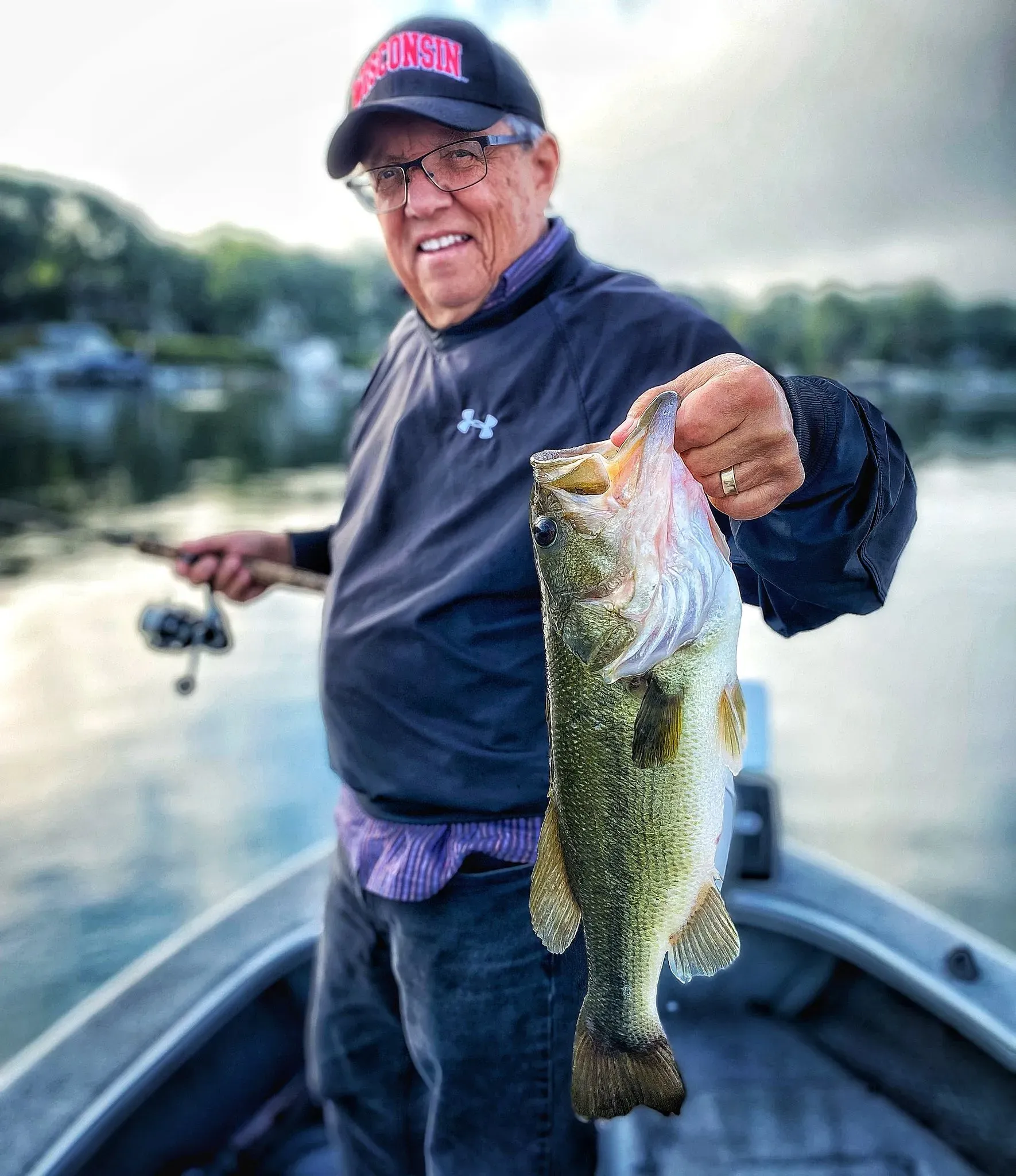
Largemouth bass are usually the first choice for anglers looking to catch larger fish. They're commonly found around submerged brush, standing timber, vegetation, and quiet coves where they can remain hidden before moving out to feed. If you're targeting a single species, these areas are often a reliable starting point.
Smallmouth Bass
When searching for smallmouth bass, focus on areas with:
- Rocky shorelines.
- Steep underwater ledges.
- Boulder-covered points.
- Clearer water.
- Nearby access to deeper depths.
Their aggressive strikes and strong fight make them one of Arizona's most exciting freshwater game fish.
Crappie
- Where to Look: Standing timber, submerged brush piles, docks, and protected coves.
- Best Opportunity: Crappie often gather in groups, allowing anglers to catch several fish once an active school is located.
- Presentation: Smaller baits worked slowly around cover are often effective.
Why Preparation Beats Expensive Equipment
High-end equipment can be helpful, but careful preparation usually has a greater impact on fishing success. Spending a little time planning before your trip often leads to better decisions once you're on the water.
Check the Weather
Benefit: Wind direction, temperature, and approaching weather systems influence fish behavior. Reviewing the forecast helps you choose productive locations and prepare for changing conditions.
Organize Your Tackle
Benefit: Keeping frequently used lures and terminal tackle organized allows you to spend more time fishing instead of searching through storage boxes.
Study Lake Maps
Benefit: Reviewing maps before arriving helps identify points, creek channels, submerged structure, and likely fish-holding areas, reducing unnecessary time spent exploring.
Watch Water Levels
Benefit: Changing water levels can expose or flood new structure, affecting where bass position themselves throughout the day.
Keep Presentations Simple
Benefit: Constantly switching between complicated techniques often creates confusion. Fishing confidently with a simple, well-presented approach usually produces more consistent results.
Making the Most of Arizona Fishing Guides
A guided fishing trip offers more than the chance to catch fish. It also provides an opportunity to understand why fish use certain areas, how changing conditions affect their behavior, and how experienced anglers adjust throughout the day.
- Reading Structure: Experienced guides explain how underwater points, submerged timber, creek channels, and rocky ledges influence fish movement, helping anglers recognize productive water on future trips.
- Seasonal Adjustments: Fish behavior changes throughout the year. Learning how guides adapt to water temperature, weather, and forage movement provides practical knowledge that extends beyond a single outing.
- Boat Positioning: Small adjustments in boat placement can dramatically improve casting angles and lure presentation. Understanding positioning helps anglers fish structure more effectively while reducing unnecessary disturbance.
- Presentation Changes: Rather than constantly replacing lures, guides often make subtle adjustments to retrieve speed, casting direction, or lure depth. These small changes frequently make a noticeable difference when fish become less active.
Budgeting Around Fishing Charter Rates
Planning a guided trip involves more than comparing prices. Looking at the overall experience helps you choose an outing that fits your fishing goals while avoiding unexpected surprises.
- Trip Duration: Decide whether a half-day or full-day trip best matches your schedule and the amount of time you want to spend exploring the lake.
- Number of Anglers: Some charters are designed for smaller groups, while others comfortably accommodate families or larger parties.
- Fishing Goals: Let your guide know whether you're hoping to catch trophy bass, enjoy steady action, or combine bass and crappie fishing during the same trip.
- Season: Popular fishing periods often book well in advance, so reserving early gives you more flexibility when selecting your preferred date.
Five Minutes Before Launch
A quick review before leaving the ramp helps prevent small oversights from interrupting your day on the water. Spending just a few minutes preparing allows you to focus entirely on fishing once the boat is underway.
- Carry a valid Arizona fishing license.
- Confirm electronics and batteries are working properly.
- Pack enough drinking water for the day.
- Check that all required safety equipment is onboard.
- Bring a camera or phone for memorable catches.
- Keep a landing net within easy reach.
Simple preparation often leads to a smoother, more enjoyable fishing experience.
Fish Arizona Lakes with Reddy Guide Service
Every lake presents different challenges, from changing water levels to shifting fish behavior throughout the day. Knowing where to begin and when to adjust can make the difference between simply spending time on the water and enjoying a productive fishing experience. Local knowledge helps anglers fish more efficiently while gaining a better understanding of each lake's unique characteristics.
Reddy Guide Service helps anglers experience Alamo Lake, Roosevelt Lake, and Apache Lake with confidence. Whether you're introducing your family to freshwater fishing, searching for quality bass, or hoping to improve your skills, you'll enjoy practical guidance, local experience, and a personalized day on some of Arizona's most respected fisheries.
Conclusion
Alamo Lake, Roosevelt Lake, and Apache Lake each provide a different bass fishing experience, giving anglers plenty of opportunities to match their destination with their personal fishing goals. Paying attention to forage, reading changing lake conditions, and adjusting your approach throughout the day can improve both your success and your enjoyment on the water. Rather than searching for one perfect technique, focus on making smart decisions that fit the conditions in front of you. When you're ready to experience these outstanding Arizona fisheries with experienced local guidance, plan your next trip with Reddy Guide Service.
Frequently Asked Questions
1. Which lake is best for anglers looking for larger bass?
Alamo Lake has earned a strong reputation for producing quality largemouth bass, although fishing success always depends on seasonal conditions and daily fish movement.
2. Can I target bass and crappie during the same outing?
Yes. Roosevelt Lake and Apache Lake often provide opportunities to fish for both species during a single trip with a few adjustments in location.
3. Is shoreline fishing productive on these lakes?
Many shoreline areas hold fish throughout the year, especially around rocky banks, coves, and submerged structure accessible from public areas.
4. Which lake is generally less crowded?
Crowds vary by season and day of the week, but Alamo Lake is often considered a quieter destination than the lakes located closer to Phoenix.
5. Do bass feed during hot afternoons?
Yes. They often move into deeper water or shaded cover, making location adjustments more important than simply changing lures.
6. Should I study a lake map before my trip?
Absolutely. Lake maps help identify underwater points, channels, coves, and other structure that frequently attract bass.
7. Is Apache Lake suitable for beginners?
Yes. While some areas are steep and rocky, beginners can enjoy productive fishing by focusing on accessible shoreline structure and protected coves.
8. How long should I fish one location before moving?
If conditions look promising but there's little activity after a reasonable effort, moving to another area is often more productive than staying too long.
9. Does baitfish activity really matter?
Yes. Bass frequently stay close to their primary food sources, making visible baitfish an important clue when choosing where to fish.
10. What's one simple way to improve bass fishing success?
Spend a few minutes observing the water before making your first cast. Small details like baitfish movement, wind direction, and shoreline structure often reveal where fish are most likely to be active.