/filters:format(jpeg,png)/fit-in/300x300/guide_websites/87679/images/image26.png)
/filters:format(jpeg,png)/fit-in/237x80/guide_websites/87679/images/image26.png)
Fishing Milwaukee Harbor, Racine, Port Washington & Kenosha for Steelhead, Brown Trout, Chinook Salmon & Coho Salmon
%2Ffit-in%2F1000x1000%2Ffilters%3Aformat(webp)%2Fguide_websites%2F87679%2Fimages%2F1770229628737image58.png&w=1920&q=75)
Published: July 28, 2026
Wisconsin's Lake Michigan shoreline offers some of the Midwest's most exciting opportunities for salmon and trout fishing. Milwaukee Harbor, Racine, Port Washington, and Kenosha each attract anglers looking to catch hard-fighting fish while enjoying the changing conditions of one of North America's largest freshwater lakes. Although these destinations are connected by the same body of water, each offers unique structure, seasonal fish movement, and fishing opportunities.
Successful anglers rarely choose a destination at random. Wind direction, water temperature, baitfish activity, and seasonal migrations all influence where salmon and trout are most active. Understanding how these factors affect each port can help you spend more time fishing productive water and make every outing more rewarding.
Why These Four Ports Fish Differently
Each port along Wisconsin's Lake Michigan shoreline has its own character. Differences in harbor design, underwater structure, and surrounding water depth influence where fish travel and how anglers approach each location throughout the fishing season.
Milwaukee Harbor
Feature: A protected harbor with deep water, breakwalls, and nearby shipping channels.
Benefit: These conditions create reliable holding areas for salmon and trout while offering productive fishing opportunities for both boat and shore anglers.
Racine
Feature: Quick access to deeper offshore water combined with productive nearshore structure.
Benefit: Anglers can easily adjust between trolling open water and targeting fish closer to shore as seasonal conditions change.
Port Washington
Feature: Steep underwater drop-offs and consistent access to cooler water.
Benefit: Migrating salmon frequently travel through this area, making it a dependable destination during peak fishing periods.
Kenosha
Feature: Southern Lake Michigan location with productive harbor waters and nearby structure.
Benefit: Seasonal fish often reach this area early, giving anglers excellent opportunities during migration periods.
These differences make Lake Michigan salmon fishing an experience where selecting the right port can be just as important as choosing the right presentation.
Understanding the Fish Before Choosing Your Destination
Each species behaves differently throughout the year. Learning where they feed, how they move, and the conditions they prefer helps anglers choose the most suitable port instead of simply following fishing reports.
Chinook Salmon
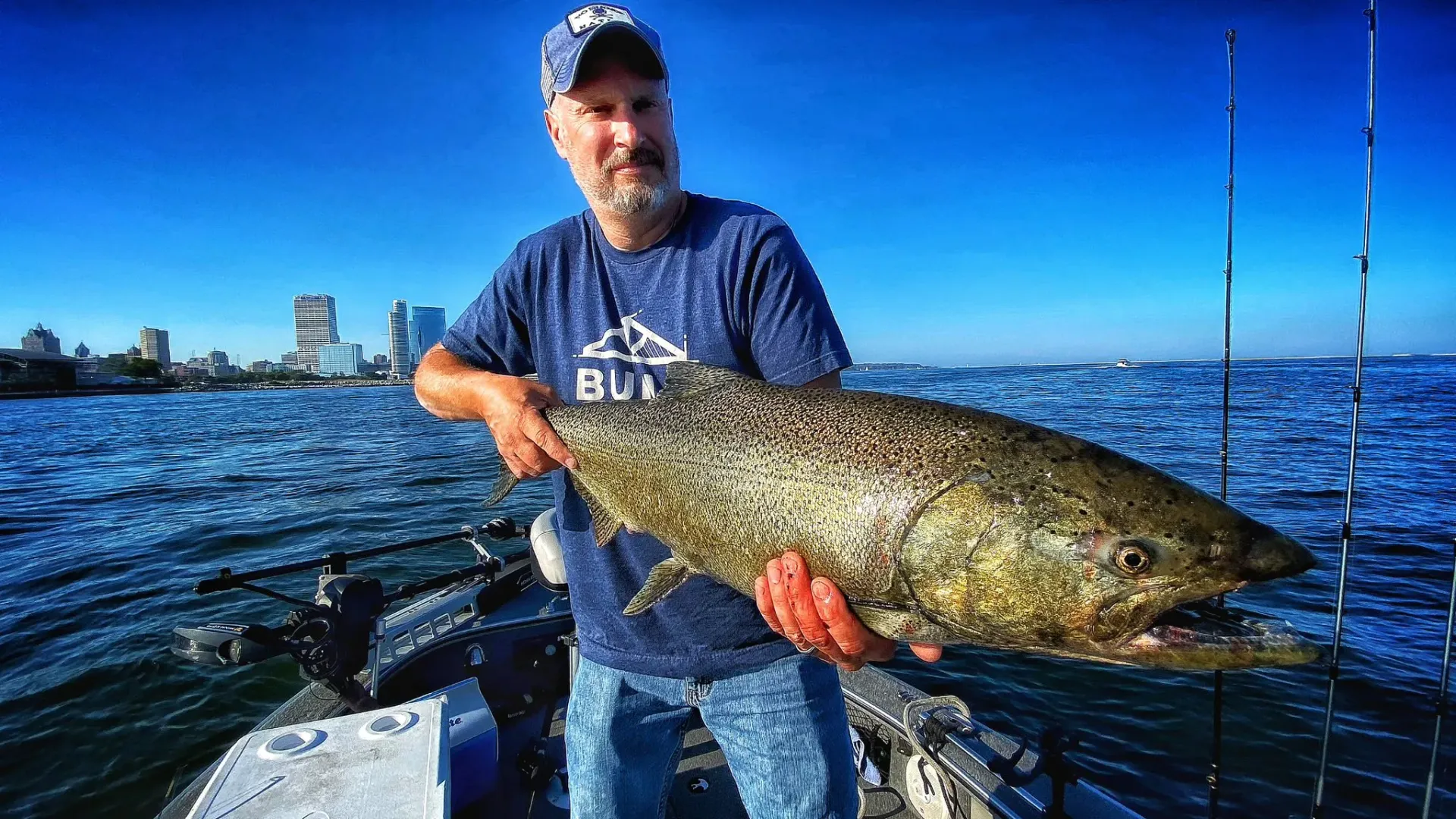
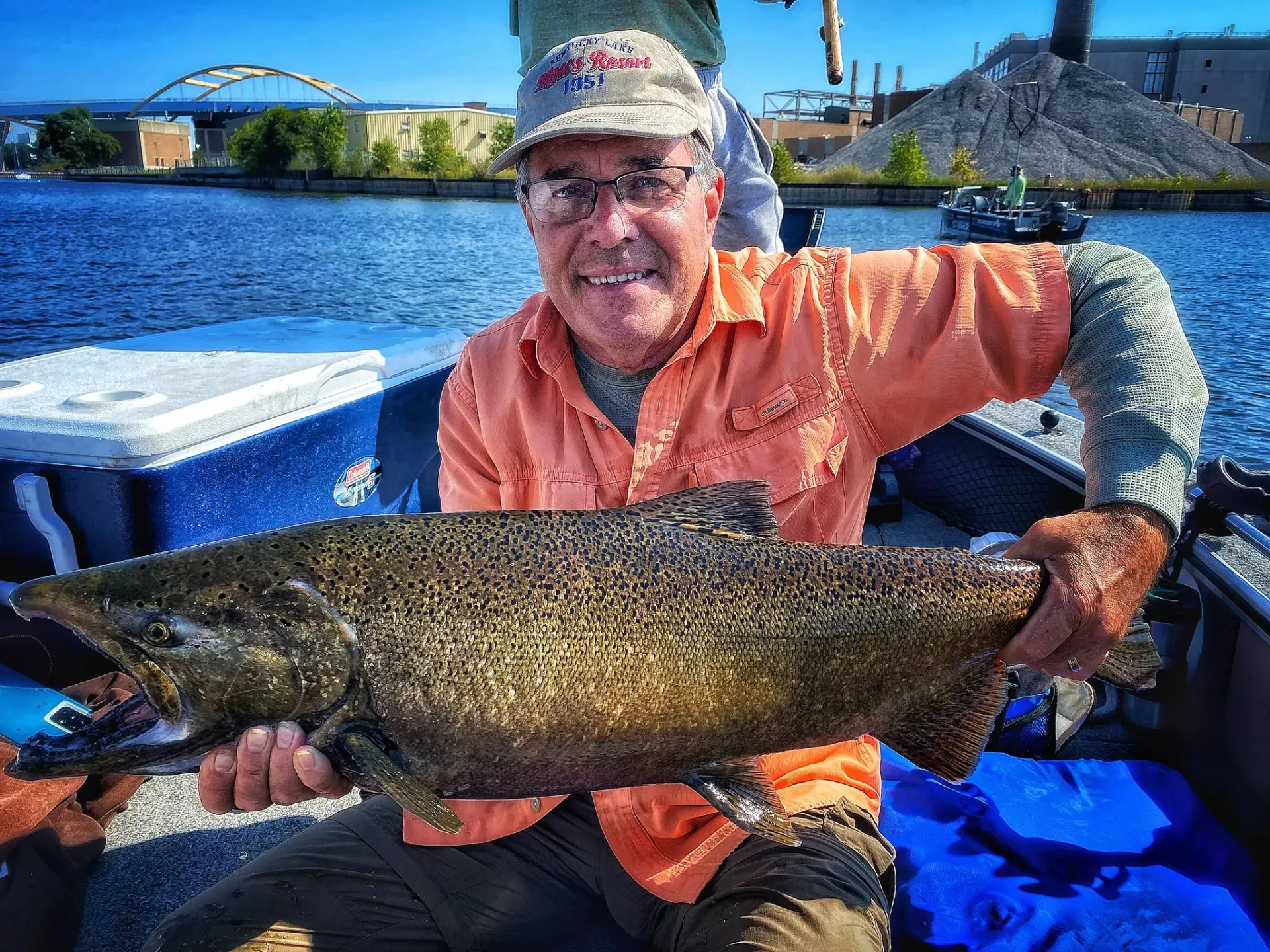
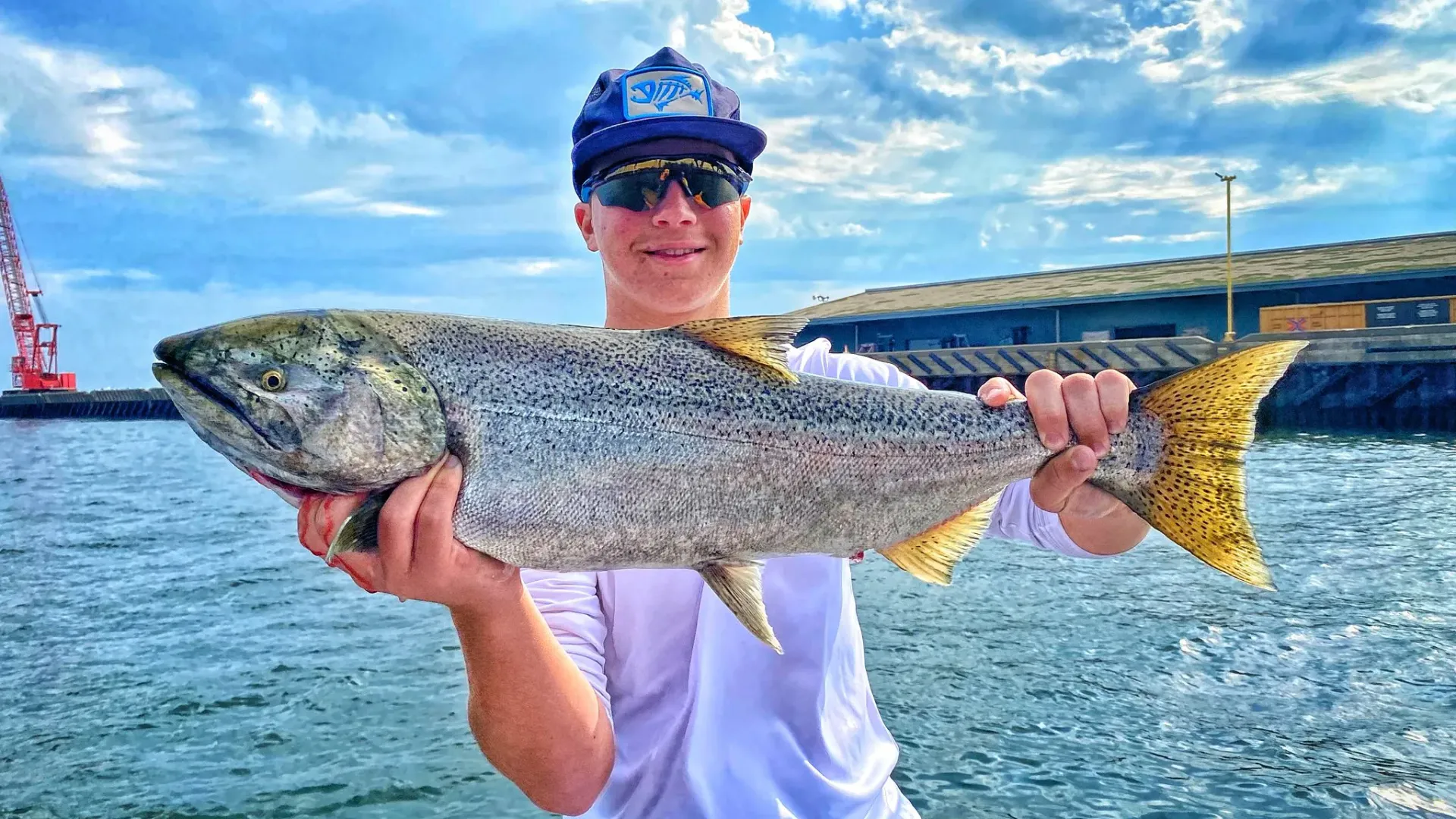
Known for their size and powerful runs, Chinook salmon are one of the most sought-after fish in Lake Michigan. They often spend much of the season in deeper, cooler water before moving closer to shore during their spawning migration. Their aggressive feeding habits make them a favorite target for anglers trolling large areas of open water.
Coho Salmon
Coho salmon are recognized for their fast action and willingness to strike a variety of presentations.
They are commonly found:
- Following schools of baitfish.
- Feeding in cooler surface water during certain seasons.
- Moving closer to harbors during migration.
- Traveling in groups rather than alone.
- Responding well to trolling presentations.
Brown Trout
Brown trout often remain closer to shoreline structure than salmon.
- Preferred Habitat: Breakwalls, rocky shorelines, harbor entrances, and areas with changing depth.
- Feeding Style: Opportunistic predators that actively feed on baitfish and smaller aquatic prey.
- Peak Opportunity: Cooler months frequently provide consistent fishing close to shore.
Steelhead
Steelhead are known for their speed, aerial jumps, and unpredictable fights. Unlike fish that remain in one area, they regularly move between open water and tributary systems depending on the season. Their willingness to chase fast-moving presentations and changing migration patterns makes them one of the most exciting Wisconsin salmon species anglers can pursue on Lake Michigan.
Reading Lake Conditions Instead of Guessing
Success on Lake Michigan depends on more than selecting the right lure. Paying attention to changing lake conditions often reveals where fish are likely to feed before the first line enters the water.
Calm Mornings
What It Means: Stable water conditions allow baitfish to gather near productive structure, making early hours an excellent time to target actively feeding salmon and trout.
Wind Direction
What It Means: Wind influences water temperature and baitfish movement. Even moderate changes can shift productive fishing areas from one section of the shoreline to another.
Water Temperature
What It Means: Salmon and trout follow comfortable water temperatures throughout the season. Monitoring temperature changes helps anglers identify where fish are likely to be holding.
Water Clarity
What It Means: Clear water often requires more natural presentations, while stained water may allow anglers to use brighter colors and fish closer to the boat.
Bird Activity
What It Means: Diving gulls and other feeding birds frequently indicate schools of baitfish below the surface, making these areas worth investigating before moving elsewhere.
Planning a Day on Lake Michigan
A successful outing often depends on making the most of changing conditions instead of staying in one location all day. Organizing your time around fish activity, weather, and boat traffic allows you to adjust your approach as the day progresses.
Before Sunrise
Launching before daylight gives anglers time to reach productive water before the morning bite begins. It is also easier to navigate busy harbors and set up equipment while conditions are generally calmer.
Morning
As the sun rises, salmon and trout often remain active around baitfish schools and temperature changes. This is an ideal time to cover water, monitor electronics, and adjust trolling patterns if fish begin changing depth.
Midday
Brighter skies and increasing boat traffic can influence fish behavior. Rather than staying in the same location, many anglers focus on deeper water or continue searching for temperature breaks where active fish may be holding.
Afternoon
Afternoon conditions can vary depending on wind and weather. Checking wave direction, monitoring water temperature, and watching for baitfish activity help determine whether it's worth changing locations before the evening bite.
Evening
As light levels decrease, fish frequently become more active again. Slower boat traffic and cooler surface temperatures often create another opportunity before heading back to the harbor.
Trolling, Casting, or Jigging?
Different fishing techniques produce results under different conditions. Instead of relying on a single method throughout the day, choosing the approach that matches fish behavior often leads to more consistent success.
Trolling
Trolling is one of the most effective ways to locate active salmon and trout across larger sections of Lake Michigan.
- Covers more water in less time.
- Helps locate schools of migrating fish.
- Allows multiple lure presentations.
- Effective for Chinook salmon, Coho salmon, and steelhead.
- Ideal when fish are scattered.
Casting
Casting is a productive option around harbor walls, piers, and shoreline structure where brown trout and salmon move closer to shore. It also gives anglers the flexibility to target visible activity without continuously moving the boat.
Jigging
Jigging becomes an effective choice when fish are holding close to the bottom or suspended beneath the boat.
- Maintains excellent lure control.
- Works well over deep structure.
- Effective when fish appear on electronics.
- Allows precise presentations around schools.
No single technique works every day. Successful anglers often switch methods as fish location and lake conditions change.
When Local Knowledge Makes the Biggest Difference
Lake Michigan changes quickly, and even experienced anglers can find themselves searching for fish after weather or water conditions shift. Local knowledge helps eliminate much of the guesswork and makes each trip more productive.
Scenario: It's Your First Trip to Lake MichiganScenario: It's Your First Trip to Lake Michigan
Learning unfamiliar water takes time. Without knowing where fish typically travel or how different ports fish throughout the season, new visitors often spend valuable hours searching instead of catching.
Benefit: Local guidance helps you understand productive water, seasonal movements, and the most effective presentations for current conditions.
Scenario: You Have Limited Time
Many anglers only have a weekend or a single vacation day available. Spending that time experimenting with unfamiliar locations may reduce your opportunities.
Benefit: Experienced captains maximize your fishing time by focusing on productive areas based on current lake conditions instead of outdated reports.
Scenario: You're Hoping to Catch a Trophy FishScenario: You're Hoping to Catch a Trophy Fish
Larger salmon and trout often follow changing baitfish patterns and water temperatures. Finding them consistently requires experience and regular time on the water.
Benefit: Working with knowledgeable Wisconsin fishing guides improves your chances of locating active fish while helping you better understand how seasonal conditions influence success.
What Can Affect Fishing Charter Rates?
The price of a charter involves more than simply reserving a boat for a few hours. Several factors contribute to overall cost, and understanding them makes it easier to compare available trips.
- Trip Length: Half-day and full-day charters offer different amounts of fishing time, allowing anglers to choose an option that fits both their schedule and budget.
- Season: Peak salmon and trout seasons often experience greater demand, which can influence availability and pricing.
- Group Size: Charter costs may vary depending on how many anglers are included, with some trips designed specifically for smaller or larger groups.
- Equipment: Many charters include rods, reels, tackle, and safety equipment, while others may offer additional services depending on the trip.
- Private vs. Shared Trips: Private charters provide a personalized experience, while shared trips can be a cost-effective option for individuals or small groups.
Trip Essentials Before Launch
A little preparation before leaving the dock can make your day on Lake Michigan safer and more enjoyable. Checking weather conditions, organizing your equipment, and reviewing local regulations allows you to focus on fishing once you're on the water instead of dealing with preventable issues.
Do
Before your trip, remember to:
- Carry a valid Wisconsin fishing license.
- Check the latest marine weather and wave forecast.
- Dress in layers for changing lake conditions.
- Bring polarized sunglasses to reduce glare.
- Pack drinking water, snacks, and sunscreen.
- Inspect all safety equipment before departure.
Don'tDon't
Avoid these common mistakes:
- Ignore changing wind and wave conditions.
- Bring unnecessary gear that limits space on the boat.
- Forget motion sickness medication if you're prone to seasickness.
- Leave the dock without checking communication devices.
- Overlook life jackets and other required safety equipment.
Good preparation helps you spend more time enjoying the fishing experience and less time dealing with avoidable setbacks.
Experience Lake Michigan Fishing with Reddy Guide Service
Fishing Milwaukee Harbor, Racine, Port Washington, and Kenosha requires more than selecting the right lure. Changing weather, water temperature, baitfish movement, and seasonal migrations all influence where salmon and trout are likely to be on any given day. Local experience helps anglers adapt to these changing conditions while making the most of their time on the water.
Reddy Guide Service provides knowledgeable guidance for anglers looking to enjoy Wisconsin's outstanding Lake Michigan fishery. Whether you're planning your first salmon trip, hoping to land a trophy Chinook, or introducing family and friends to Great Lakes fishing, you'll enjoy a personalized experience built around current conditions, practical instruction, and memorable days on the water.
Conclusion
Milwaukee Harbor, Racine, Port Washington, and Kenosha each offer a unique opportunity to experience world-class salmon and trout fishing on Lake Michigan. Understanding how fish respond to changing weather, seasonal migrations, and lake conditions allows anglers to make better decisions throughout the day and improve their chances of success. Combining good preparation with flexible techniques and careful planning creates a more rewarding fishing trip, regardless of which port you choose to fish. When you're ready to experience everything Wisconsin's Lake Michigan shoreline has to offer, plan your next adventure with Reddy Guide Service and enjoy expert local knowledge on the water.
Frequently Asked Questions
1. Which Wisconsin port is best for Chinook salmon?
The answer depends on the season, water temperature, and migration patterns. Fish movement changes throughout the year, so productive locations can vary between ports.
2. Can I catch more than one species during the same trip?
Yes. It's common for anglers to catch salmon, trout, and other game fish during a single outing when conditions are favorable.
3. Does wave height affect fishing success?
Yes. Larger waves can influence boat safety, lure presentation, and fish location, making weather forecasts an important part of trip planning.
4. Are harbor walls good places to fish from shore?
Many harbor walls provide productive opportunities during seasonal fish migrations, especially when salmon and trout move closer to shore.
5. Is trolling suitable for beginners?
Absolutely. Guided trips often introduce beginners to trolling techniques while providing instruction on equipment and fish handling.
6. Should I bring my own fishing tackle on a charter?
Most guided trips provide the necessary fishing equipment, but it's always helpful to confirm what's included before your trip.
7. How important is water temperature for salmon fishing?
Water temperature strongly influences where salmon and trout feed, making it one of the most valuable factors anglers monitor throughout the season.
8. Can weather change fishing plans quickly?
Yes. Wind direction, wave conditions, and approaching storms can affect both safety and fishing conditions within a short period.
9. What clothing works best for Lake Michigan fishing?
Layered clothing is recommended because temperatures on the lake can change significantly between early morning and afternoon.
10. How early should I reserve a guided fishing trip?
Peak salmon seasons are popular, so booking several weeks in advance provides the best chance of securing your preferred date and departure time.