/filters:format(jpeg,png)/fit-in/300x300/guide_websites/87679/images/image26.png)
/filters:format(jpeg,png)/fit-in/237x80/guide_websites/87679/images/image26.png)
/users/06c9915d-bbec-4951-95c5-c62435e1961a/ratecard/jhh-mm9gppjw.jpg)
%2F300x300%2Fusers%2F06c9915d-bbec-4951-95c5-c62435e1961a%2Fratecard%2Fjhh-mm9gppjw.jpg&w=256&q=75)
%2F300x300%2Fusers%2F06c9915d-bbec-4951-95c5-c62435e1961a%2Fimages%2Flargemouth-bass-peoria-3068.jpeg&w=256&q=75)
%2F300x300%2Fusers%2F06c9915d-bbec-4951-95c5-c62435e1961a%2Fimages%2Faqpxflrmrfpocy29b8l-_6tegnmoevsksebwi3n8k_k9mm1pf0ogwxr-4vwckfftwm6ibbv4hevtg7gjusttvxtrlkht2f4lfpld3dgiig1.mp4&w=256&q=75)
%2F300x300%2Fusers%2F06c9915d-bbec-4951-95c5-c62435e1961a%2Fimages%2Fanglers-great-fishing-adventure-az-2655.jpg&w=256&q=75)
%2F300x300%2Fusers%2F06c9915d-bbec-4951-95c5-c62435e1961a%2Fimages%2Ftrophy-largemouth-bass-az-2789.jpg&w=256&q=75)
%2F300x300%2Fusers%2F06c9915d-bbec-4951-95c5-c62435e1961a%2Fimages%2Ffishing-adventure-arizona-2753.jpg&w=256&q=75)
%2F300x300%2Fusers%2F06c9915d-bbec-4951-95c5-c62435e1961a%2Fimages%2Ffishing-adventure-az-2720.jpg&w=256&q=75)
%2F300x300%2Fusers%2F06c9915d-bbec-4951-95c5-c62435e1961a%2Fimages%2Flake-trout-fishing-arizona-2600.jpg&w=256&q=75)
%2F300x300%2Fusers%2F06c9915d-bbec-4951-95c5-c62435e1961a%2Fimages%2Fpink-salmon-arizona-fishing-2791.jpg&w=256&q=75)
%2F300x300%2Fusers%2F06c9915d-bbec-4951-95c5-c62435e1961a%2Fimages%2Fanglers-rainbow-trout-peoria-2485.jpg&w=256&q=75)
%2F300x300%2Fusers%2F06c9915d-bbec-4951-95c5-c62435e1961a%2Fimages%2Fangler-fishing-arizona-2771.jpg&w=256&q=75)
Inland Ice Fishing SE Wisconsin Reddy Guide
 Arizona
What you will be catching:
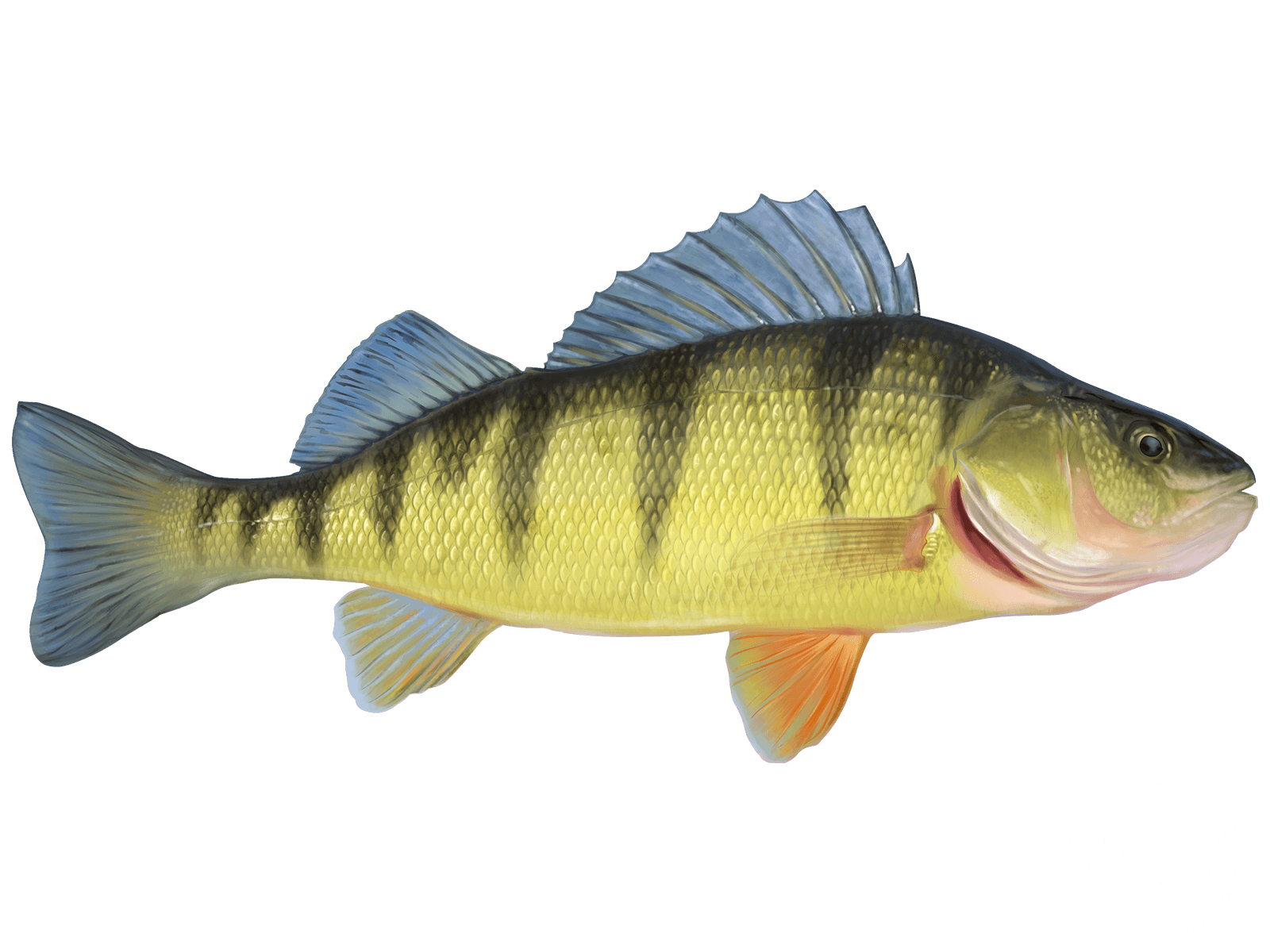
 American Yellow Perch
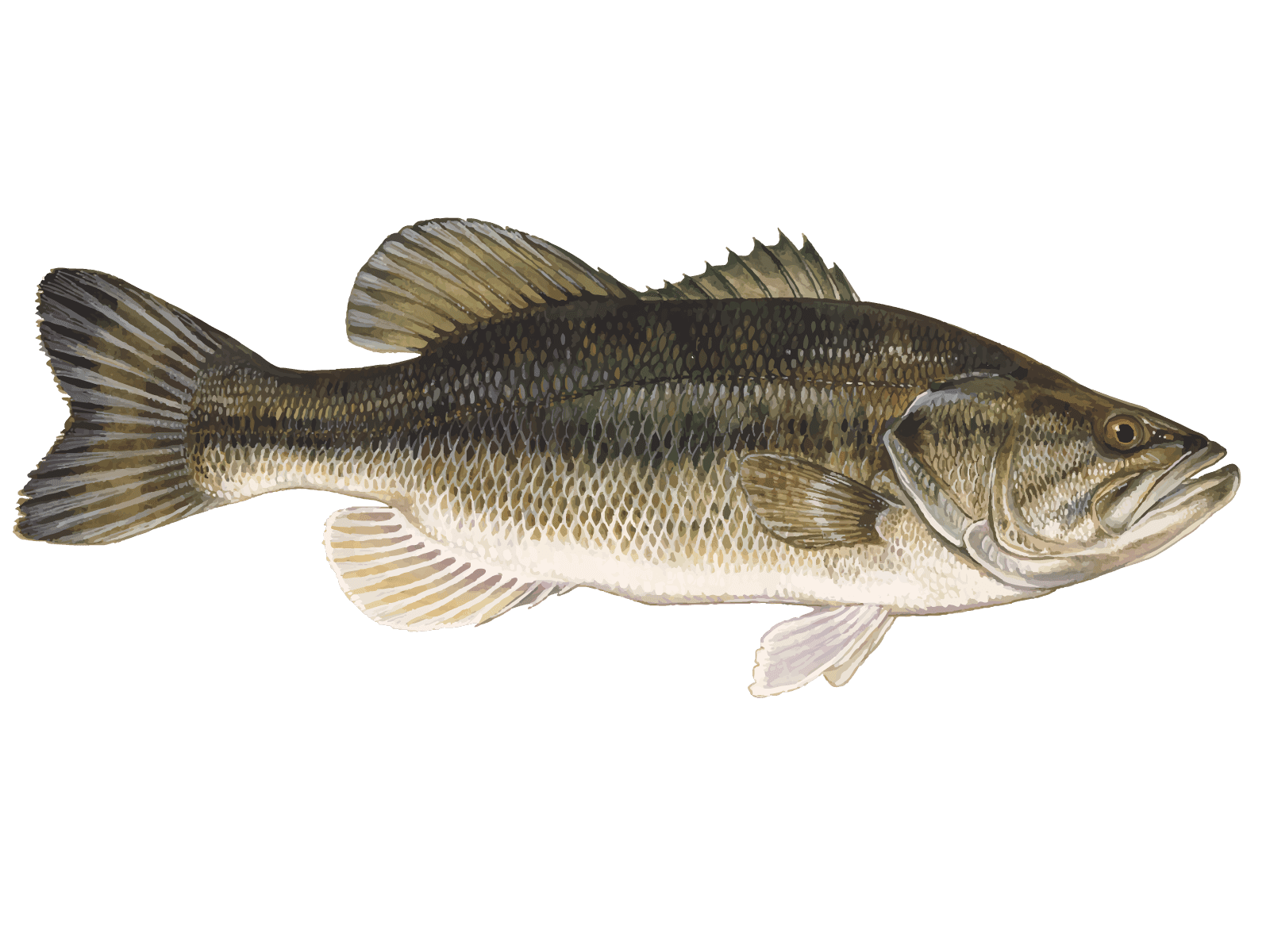
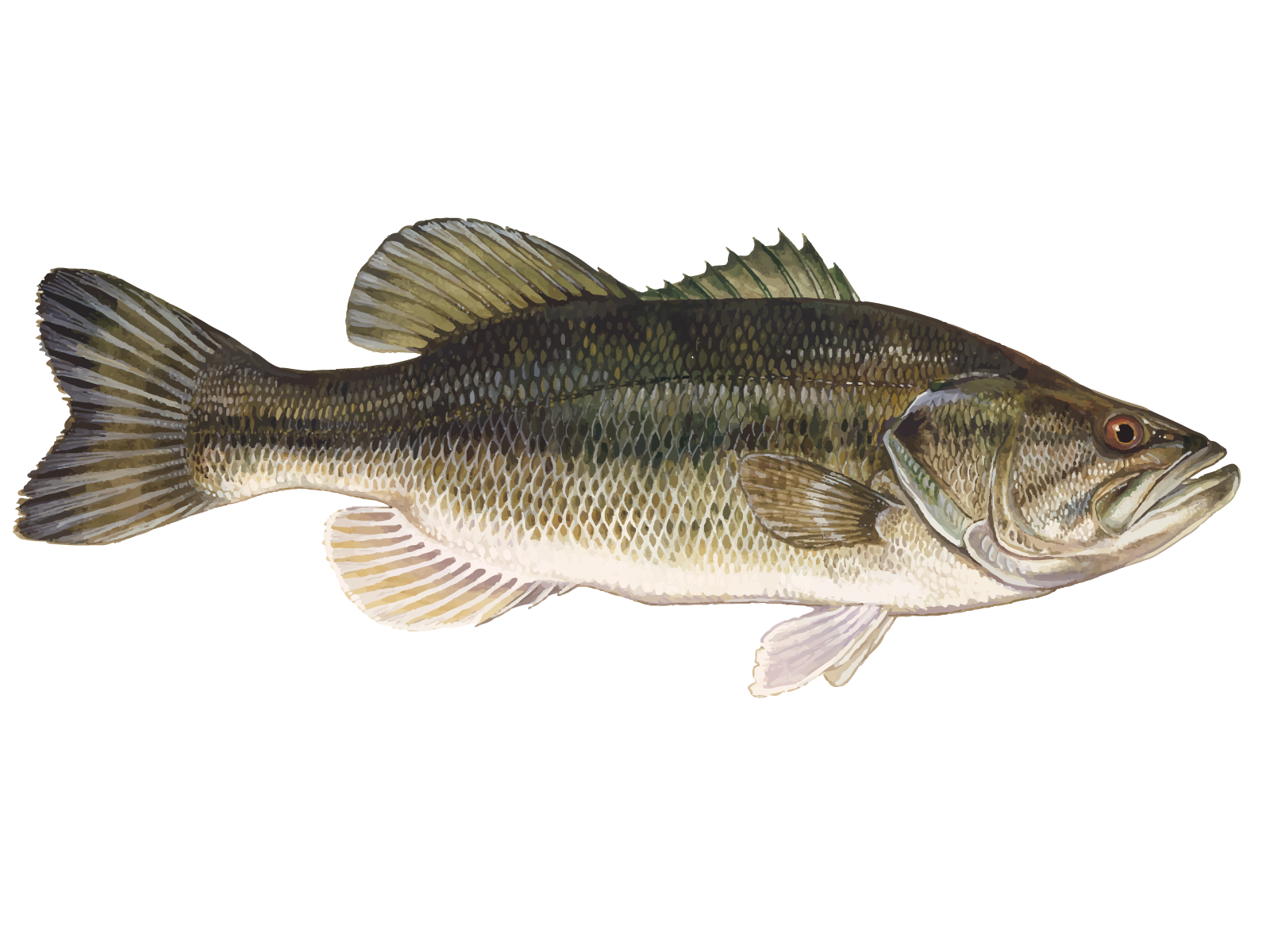 Largemouth Bass
 Northern Pike
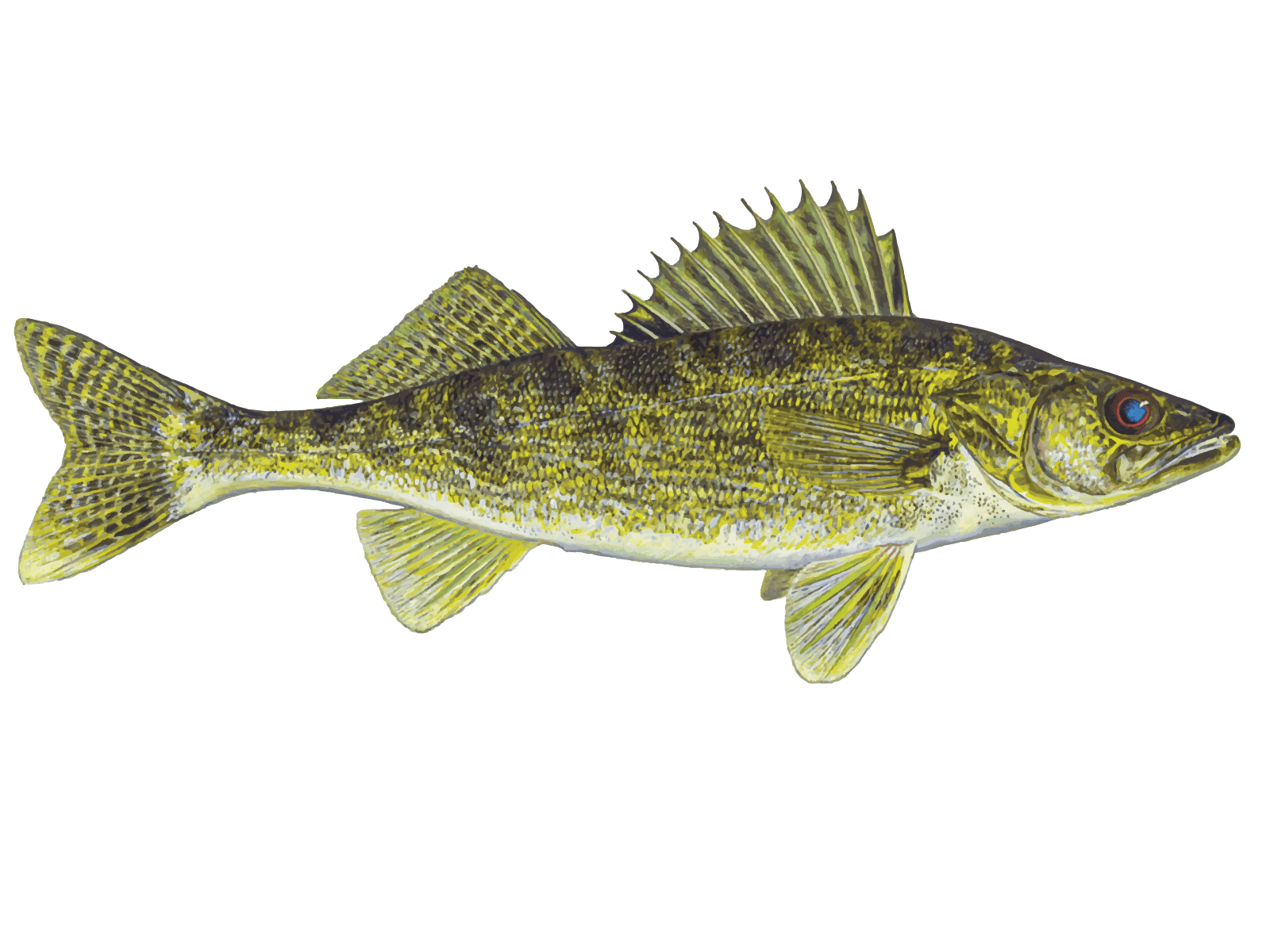
 Walleye
- Captain John Reddy takes you ice fishing on southeastern Wisconsin's best inland lakes for a full 7-hour day. You'll fish from heated shelters on waters like Geneva Lake, Pleasant Lake, and Delavan Lake, targeting northern pike, bass, walleye, and panfish. All gear is provided, including quality rods, Jiffy ice drills for mobility, and hook-setting devices that boost your catch rates. John selects lakes based on current ice conditions and fish activity, so you're always fishing where the action is. Perfect for beginners and experienced anglers who want to learn productive techniques while staying warm and comfortable on the ice.
Trip Pricing and Availabilities:
Full-Day Inland Ice Fishing – Southeastern Wisconsin
When winter locks up Wisconsin's inland waters, that's when the real fun begins. This 7-hour guided ice fishing adventure puts you right in the heart of southeastern Wisconsin's best frozen fishing spots with Captain John Reddy, who's been reading these lakes for years. You'll spend quality time on productive ice, learning what works and why, while staying warm in heated shelters that make all the difference between a good day and a great one. Whether you're new to hard water fishing or just want to fish with someone who knows where the fish are holding, this trip delivers the full Wisconsin ice fishing experience without the guesswork.
What to Expect on the Water
Captain John rotates between some of southeastern Wisconsin's top-rated inland waters based on ice conditions and where the fish are biting. Pleasant Lake, Como Lake, Turtle Lake, Geneva Lake, and Delavan Lake are all in the rotation, along with smaller glacial and kettle lakes that hold surprising numbers of fish. These aren't your massive reservoir-style fisheries – they're intimate waters where local knowledge makes the difference. You'll fish from heated Clam ice hub shelters that cut the wind and keep you comfortable while you focus on what's happening below the ice. The 7-hour format gives you time to really dial in techniques, move between productive spots, and experience the rhythm of ice fishing without feeling rushed. Groups of 1-2 anglers get the full attention treatment, though larger parties up to 10 can be accommodated with additional guides joining the action.
Gear Setup & Ice Techniques
All the essential gear comes included – quality ice rod and reel combos optimized for multiple species, plus tackle and equipment selected for these specific waters. Jiffy ice drills let the group stay mobile, punching fresh holes when the fish move or when it's time to try different depths and structures. The Clam and HT hook-setting devices are game-changers for maintaining proper presentations and improving your hook-up ratios – these aren't gimmicks, they're tools that serious ice anglers rely on. Warm gear is available if you need it, though you'll want to dress in layers since the heated shelters keep things comfortable. The approach focuses on effective jigging techniques, reading electronics, and understanding how these fish behave under the ice. You'll learn to work different depths, adjust your presentations based on fish response, and recognize the subtle differences in how each species hits your bait.
Species You'll Want to Hook
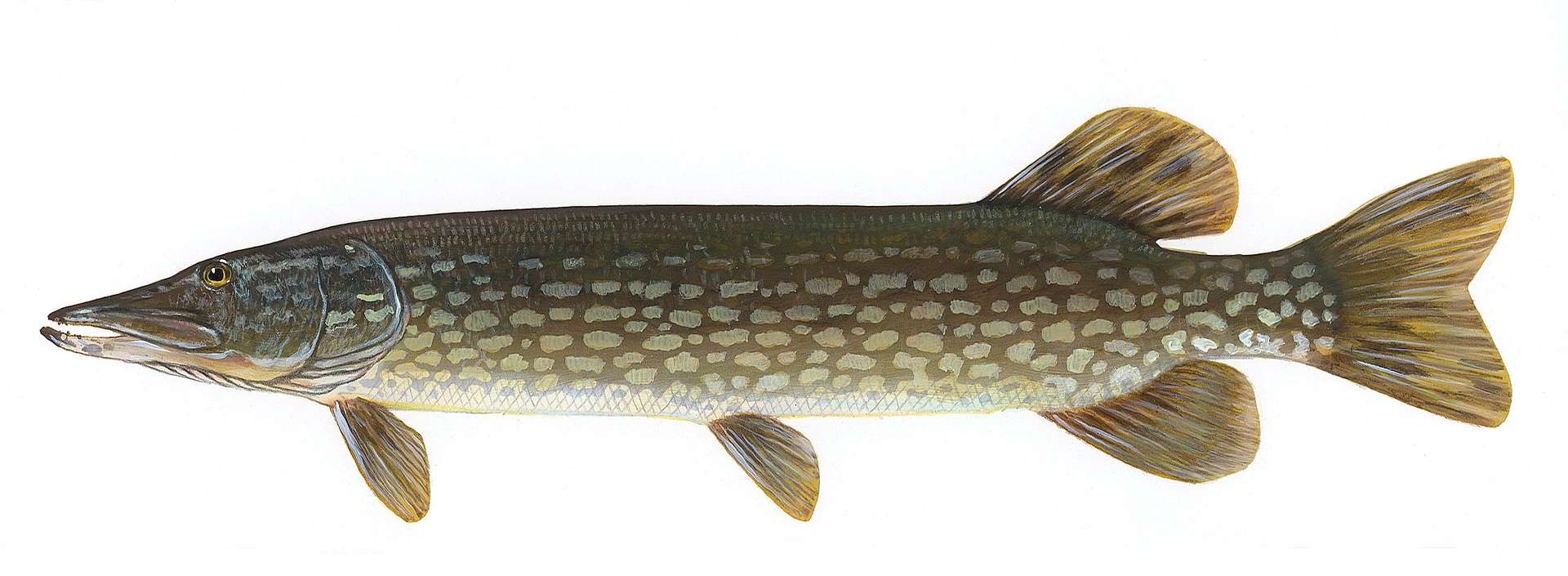
Northern pike are the aggressive predators of these inland waters, and they don't slow down much when the lakes freeze over. These toothy fighters often hang around weed edges and drop-offs, ambushing smaller fish with explosive strikes. Expect fish in the 20-30 inch range, with the occasional larger specimen that'll test your drag system. Pike hit hard and fight dirty – exactly what you want when you're looking for some action to warm up a cold morning. They're most active during low-light periods, making early morning and late afternoon prime time for pike action.
Walleye fishing through the ice requires finesse, but the payoff is worth it. These lakes produce quality walleye that typically run 14-20 inches, with fish relating to subtle bottom changes and structure that might not look like much on the surface. Walleye are notorious for light bites during winter months – you'll learn to detect those barely-there taps that signal a fish mouthing your bait. Evening fishing can be particularly productive for walleye, as they often feed more aggressively as light fades. The meat quality is excellent, making walleye a customer favorite for anglers planning a fish dinner.
American yellow perch show up in schools, and when you find them, the action can be steady and fun. These smaller fish are perfect for anglers who enjoy constant activity – perch often bite aggressively and provide great practice for honing your ice fishing skills. They typically range from 6-10 inches in these waters, with occasional jumbos pushing 12 inches or better. Perch tend to roam in winter, so finding them is part of the challenge, but once located they often cooperate well. They're excellent table fare and make great fish for newer anglers to build confidence.
Largemouth bass adapt their behavior significantly in winter, becoming more lethargic but still willing to bite with the right presentation. These lakes produce bass in the 12-16 inch range typically, with some larger fish available for anglers who know how to target them. Bass often relate to deeper structure in winter, moving slower and requiring more patient presentations. When they do bite, bass still provide that satisfying fight, just at a more deliberate pace. Many anglers are surprised at how well bass respond to ice fishing techniques when presented properly.
Time to Book Your Spot
This full-day ice fishing experience delivers exactly what serious anglers want – quality time on productive ice with a guide who knows these waters inside and out. At $750 for up to two anglers, you're getting 7 hours of guided fishing with all equipment included, plus the expertise that comes from years of reading these specific lakes. The season runs from January through March when ice conditions are safe, so there's a solid window to plan your trip. Just bring a current Wisconsin fishing license and dress for the conditions – everything else is handled. This isn't just about catching fish, though that's certainly part of it. You're learning a system that works on these waters, fishing in comfort, and experiencing why Wisconsin's inland ice fishing has such a devoted following among anglers who know good fishing when they find it.
Learn more about the species
American Yellow Perch
Yellow perch are the perfect species for families and anyone wanting steady action through the ice. These golden beauties with dark vertical bars typically run 8-12 inches and travel in schools, so when you find one, there's usually more below. They love areas with vegetation, small structures, and soft bottoms in 8-20 feet of water. Winter is actually prime time since they school up tight and feed aggressively. What makes them popular is the constant action - kids especially love how they bite readily and fight surprisingly hard for their size. Plus, they're some of the best eating fish in these lakes, with sweet, firm white meat. Here's a key tip: when you catch one perch, immediately drop back down in the same hole. Often the school is still there, and you can catch several before they move off to another spot.
Largemouth Bass
Largemouth bass might seem like an odd winter target, but they can provide some of the most memorable fights through the ice. These chunky green fish with the oversized mouths typically run 12-18 inches in our local lakes. During winter, they move to deeper structure like timber, rock piles, and steep drop-offs in 15-30 feet of water, much deeper than their summer haunts. The bite can be tough, but when you connect, they'll bend your rod and make powerful runs even in cold water. They're surprisingly good table fare when kept from clean, cold water. What makes them special is that explosive strike - even sluggish winter bass hit with authority. Here's a winter bass tip: fish tiny jigs tipped with minnow heads right on bottom near structure, and be patient. The bite is often just a slight tick on your line.
Northern Pike
Pike are the lake's apex predators - aggressive, toothy, and built for ambush attacks. These green torpedoes typically range 24-36 inches with some real monsters lurking in our deeper lakes. They patrol shallow bays, weed edges, and drop-offs, usually in 5-15 feet of water during winter. Ice fishing season is prime time since they stay active when other species slow down. What guests love is the explosive strike and bulldogging fight - they'll make multiple runs and test your drag. Plus, they're surprisingly good eating when prepared right, despite what some folks think. Here's my go-to trick: use a tip-up with a big sucker minnow about two feet off bottom near structure. When that flag pops, give them time to run and swallow before setting the hook. Their razor teeth demand a steel leader too.
Walleye
Walleye are the gold standard for eating fish around here - mild, flaky, and absolutely delicious. These sleek predators typically run 12-20 inches through the ice, with their distinctive glassy eyes that help them hunt in low light. They love hanging around rocky structures, drop-offs, and weed edges in 10-25 feet of water. Winter fishing can be fantastic since they're more active during daylight hours under the ice than in summer. What makes them fun is the subtle bite - they'll often just load up your rod tip rather than slam it. The fight is steady and determined once hooked. Here's a local tip: when you mark fish on the flasher but they won't bite, try downsizing to a tiny tungsten jig with a single spike or waxworm. Sometimes less is more with these finicky winter walleye.