/filters:format(jpeg,png)/fit-in/300x300/guide_websites/87679/images/image26.png)
/filters:format(jpeg,png)/fit-in/237x80/guide_websites/87679/images/image26.png)
/users/06c9915d-bbec-4951-95c5-c62435e1961a/ratecard/img_8404-mlqre86b.jpg)
%2F300x300%2Fusers%2F06c9915d-bbec-4951-95c5-c62435e1961a%2Fratecard%2Fimg_8404-mlqre86b.jpg&w=256&q=75)
%2F300x300%2Fusers%2F06c9915d-bbec-4951-95c5-c62435e1961a%2Fimages%2Flargemouth-bass-az-fishing-3068.jpeg&w=256&q=75)
%2F300x300%2Fusers%2F06c9915d-bbec-4951-95c5-c62435e1961a%2Fimages%2Faqpxflrmrfpocy29b8l-_6tegnmoevsksebwi3n8k_k9mm1pf0ogwxr-4vwckfftwm6ibbv4hevtg7gjusttvxtrlkht2f4lfpld3dgiig1.mp4&w=256&q=75)
%2F300x300%2Fusers%2F06c9915d-bbec-4951-95c5-c62435e1961a%2Fimages%2Fcrappie-catch-peoria-2672.jpg&w=256&q=75)
%2F300x300%2Fusers%2F06c9915d-bbec-4951-95c5-c62435e1961a%2Fimages%2Ffishing-fun-peoria-2462.jpg&w=256&q=75)
%2F300x300%2Fusers%2F06c9915d-bbec-4951-95c5-c62435e1961a%2Fimages%2Fbest-catch-peoria-2727.jpg&w=256&q=75)
%2F300x300%2Fusers%2F06c9915d-bbec-4951-95c5-c62435e1961a%2Fimages%2Ffishing-adventure-az-2546.jpg&w=256&q=75)
%2F300x300%2Fusers%2F06c9915d-bbec-4951-95c5-c62435e1961a%2Fimages%2Fbest-great-fishing-arizona-2606.jpg&w=256&q=75)
%2F300x300%2Fusers%2F06c9915d-bbec-4951-95c5-c62435e1961a%2Fimages%2Ffishing-arizona-2603.jpg&w=256&q=75)
%2F300x300%2Fusers%2F06c9915d-bbec-4951-95c5-c62435e1961a%2Fimages%2Fone-lake-trout-az-fishing-2586.jpg&w=256&q=75)
%2F300x300%2Fusers%2F06c9915d-bbec-4951-95c5-c62435e1961a%2Fimages%2Ffishing-adventure-arizona-2668.jpg&w=256&q=75)
Lake Havasu Half Day Bass Trips Reddy Guide
 Arizona
What you will be catching:
 Crappie
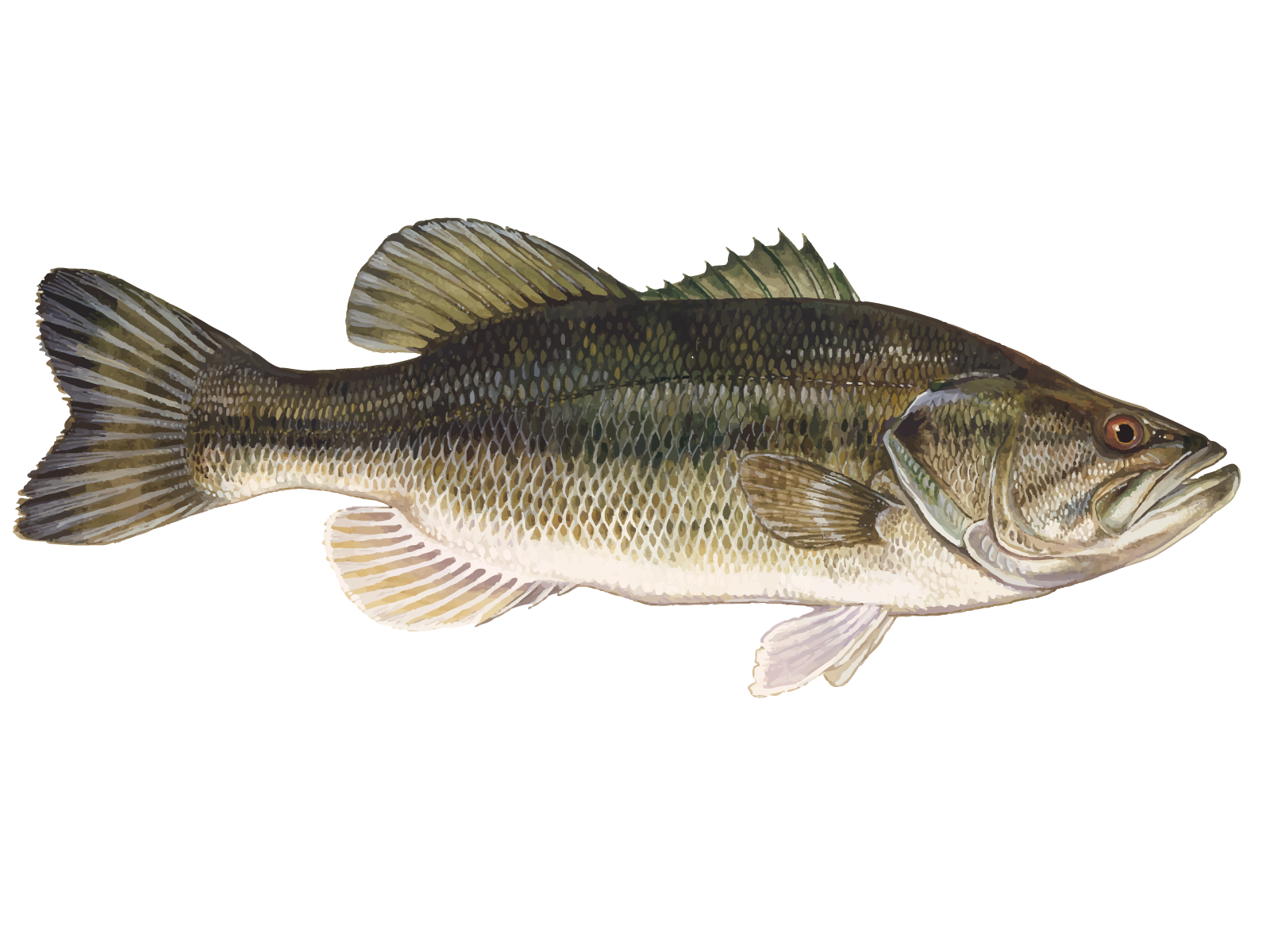 Largemouth Bass
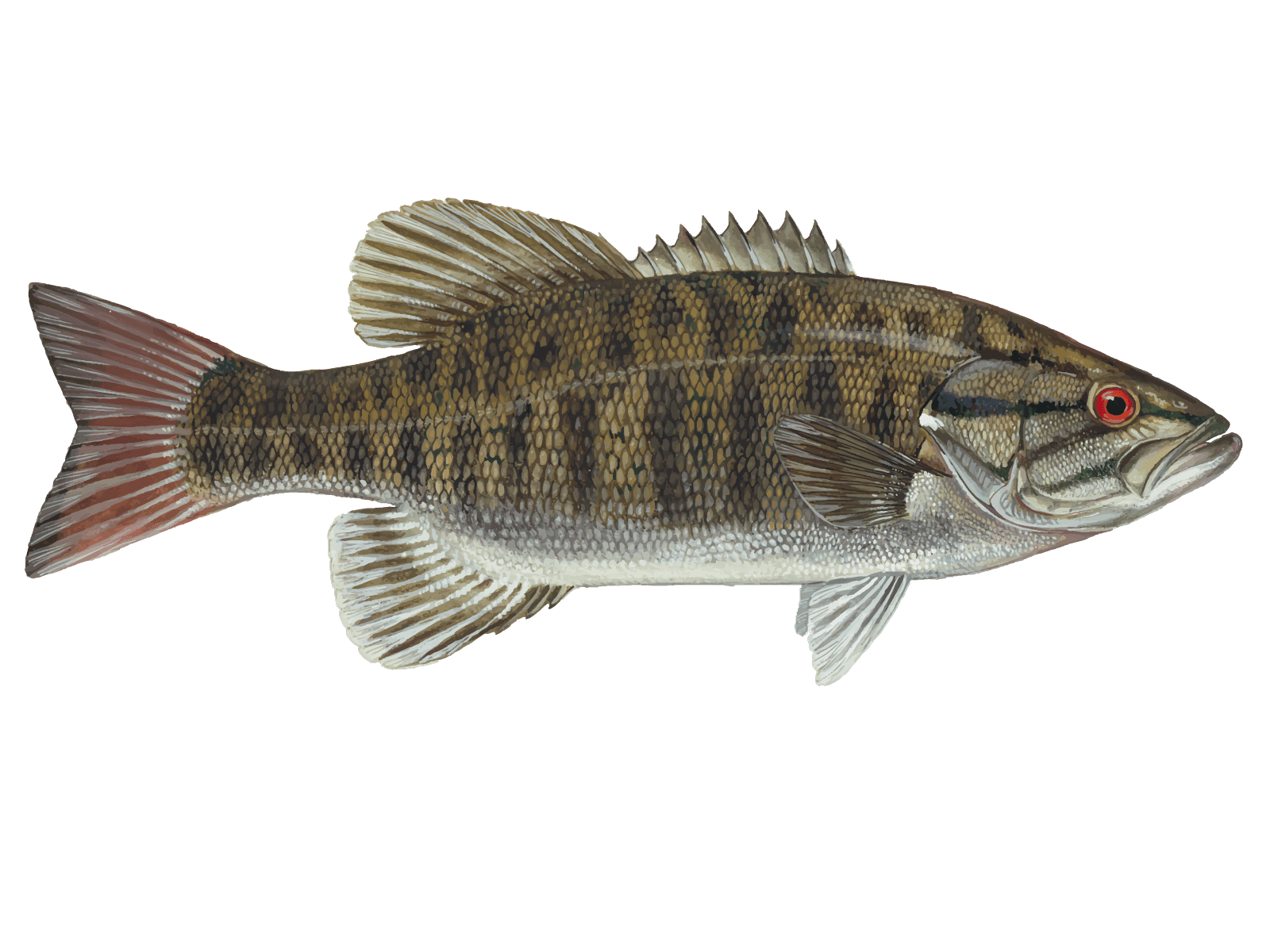
 Smallmouth Bass
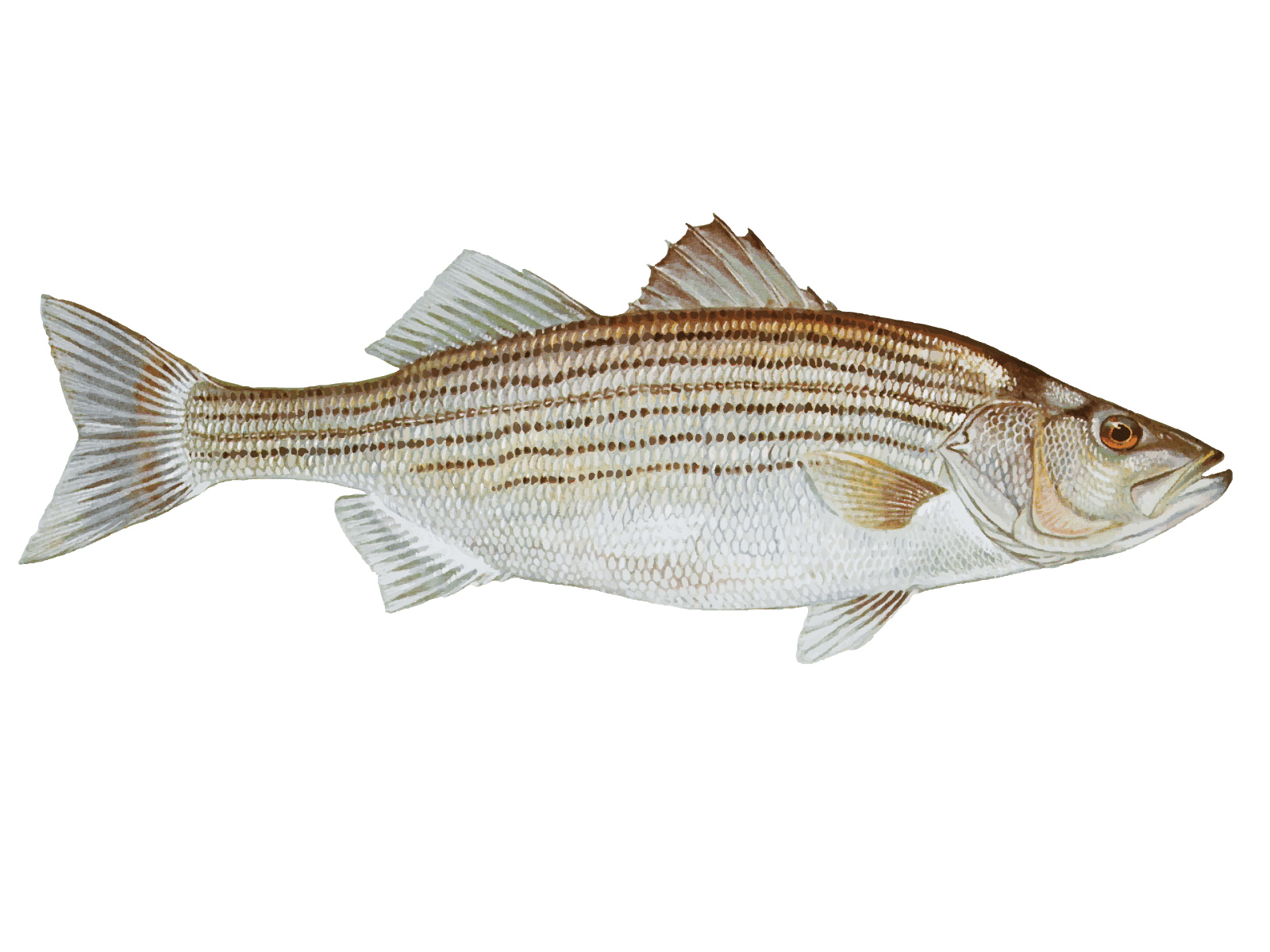
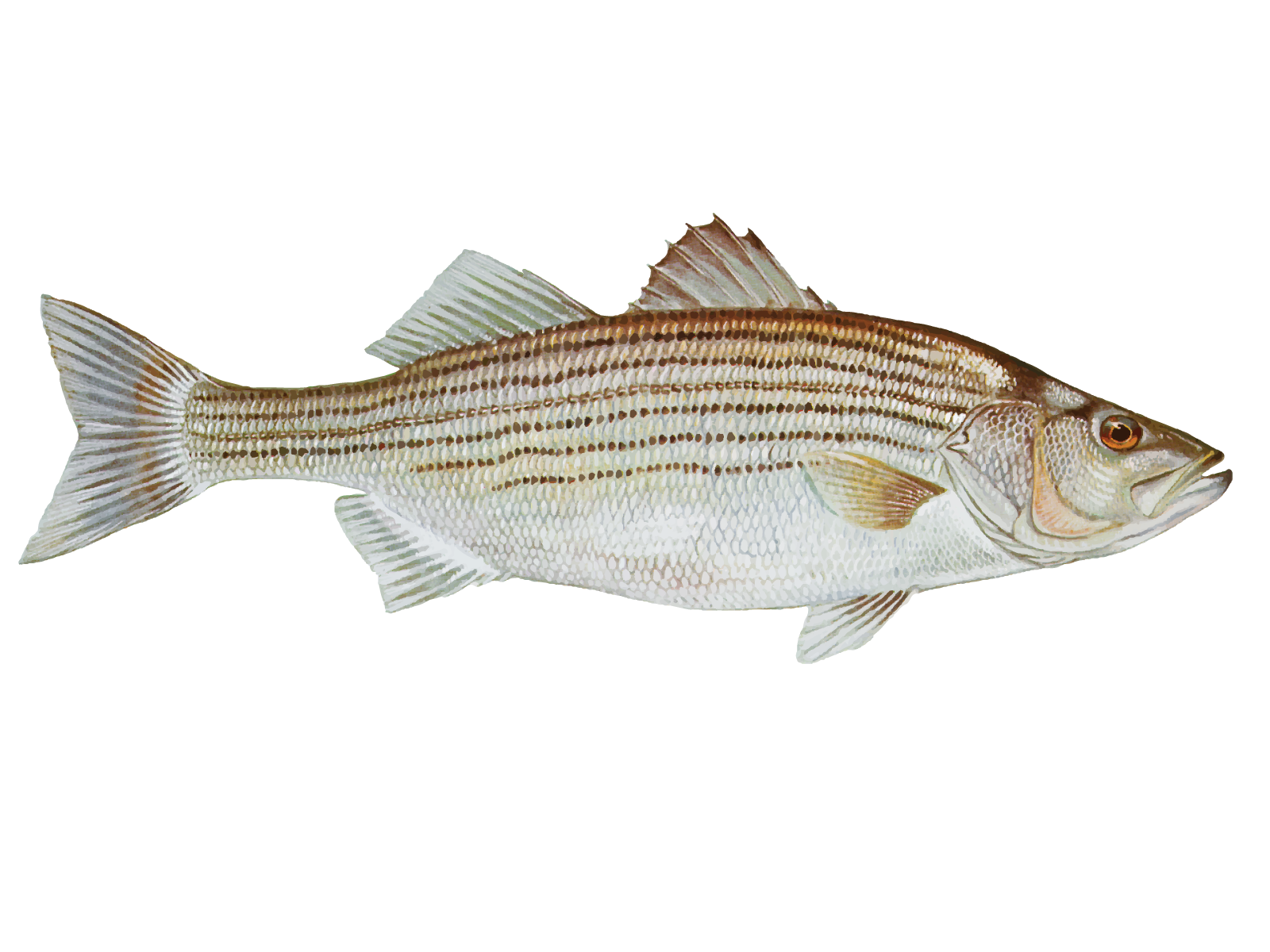 Striped Bass
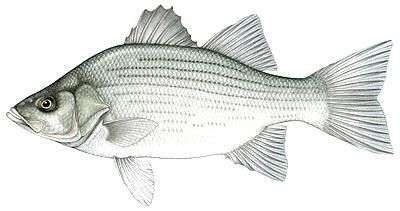
 White Bass
- Five-hour private bass fishing charter on Lake Havasu
- Fully equipped 21' Skeeter boat with GPS and fish finders
- Expert guidance targeting largemouth, smallmouth, and striped bass
Trip Pricing and Availabilities:
Half Day Bass Fishing Trip - Lake Havasu
Picture this: You're on Lake Havasu at sunrise, the water's glassy calm, and Captain John Reddy is already rigging your first setup of the day. This isn't your typical crowded charter experience—it's just you and one of Arizona's most knowledgeable bass guides on a private 5-hour adventure that's designed to put you on fish. Whether you're a weekend warrior looking to improve your technique or someone who's never held a rod, John's got the local knowledge and patience to make this trip worth every minute. Lake Havasu's crystal-clear waters and diverse structure create the perfect playground for multiple bass species, and with John's 21' Skeeter fully loaded with the latest electronics, you'll be fishing spots most anglers never even know exist.
What to Expect on the Water
From the moment you step aboard John's updated Skeeter bass boat, you'll notice this isn't your average fishing setup. We're talking premium trolling motor technology that keeps you positioned perfectly over structure, advanced fishfinder electronics that reveal every piece of cover below, and GPS systems that mark productive spots for future reference. The live bait well keeps your offerings fresh and lively—a game-changer when the fish are finicky. This is a hands-on learning experience where John shares decades of Lake Havasu knowledge, from reading water temperature breaks to understanding how seasonal patterns affect fish behavior. You'll spend your 5 hours moving between proven honey holes, learning why certain spots produce at different times of day, and picking up techniques that'll make you a better angler long after you leave Arizona. The boat's design allows for easy casting and plenty of room to work a fish, so when that big largemouth decides to make a run, you've got space to enjoy the fight.
Techniques & Gear Breakdown
John's approach varies with conditions and what the fish are telling him, but expect to cover the full spectrum of bass fishing techniques during your day. You might start with topwater action in the early morning calm, watching bass explode on poppers near rocky points and submerged timber. As the sun climbs higher, you'll switch to casting crankbaits along drop-offs or working soft plastics through deeper structure where the big fish like to stage. The beauty of Lake Havasu is its diverse habitat—from shallow coves perfect for sight fishing to deep channels where striped bass roam. John's electronics package includes side-scan sonar that paints a detailed picture of bottom structure, helping locate schools of baitfish and the predators that follow them. When targeting redear sunfish during their optimum March through May season, you'll learn specialized jigging techniques that work magic on these world-class panfish. All tackle and terminal gear are provided, but if you've got a favorite rod or reel you'd like to bring, John's always happy to accommodate personal preferences.
Top Catches This Season
Lake Havasu's largemouth bass population is what initially put this fishery on the map, and for good reason. These fish grow fat on abundant crawfish and shad, with 3-5 pound fish being common catches and bigger specimens always a possibility. They're most aggressive during cooler months but can be caught year-round if you know where to look. During spring, they move shallow for spawning, making them perfect targets for sight fishing in the clear water. Summer finds them relating to deeper structure and current breaks, while fall brings some of the best topwater action of the year. Smallmouth bass add a different dimension to the fishing—they're scrappier pound-for-pound and love the rocky habitat Lake Havasu provides in abundance. These bronze fighters are especially active during early morning and evening hours, often schooling up on points and humps where they ambush passing baitfish. Striped bass bring the power game to Lake Havasu, with these open-water predators capable of blistering runs that'll test your drag settings. They often feed in schools, so when you find them, the action can be fast and furious. White bass round out the mix, smaller than their striped cousins but willing biters that often save the day when other species are being difficult.
Species You'll Want to Hook
Largemouth bass are the bread and butter of Lake Havasu, and these fish have everything an angler could want—size, fight, and beauty. They average 2-4 pounds but regularly push into the 6-8 pound range, especially during the cooler months when they're feeding heavily. Spring is prime time for big females loaded with eggs, while summer requires deeper presentations but often rewards patience with quality fish. What makes Havasu largemouth special is their willingness to hit topwater baits—there's nothing quite like watching a 5-pound bass blow up on a walking bait in crystal-clear water. Smallmouth bass might be the most fun fish in the lake, ounce for ounce. These bronze beauties typically run 1-3 pounds but fight like fish twice their size, often jumping repeatedly and making long runs toward deep water. They're structure-oriented fish that love rocky banks, submerged boulders, and drop-offs where they can ambush prey. Early morning and late evening are prime times, but they'll bite throughout the day if you present baits properly. Striped bass bring serious horsepower to the equation, with fish ranging from schoolie-sized 2-3 pounders up to genuine bruisers pushing 20 pounds or more. They're nomadic fish that follow baitfish schools, so finding them requires electronics and local knowledge—exactly what John brings to the table. When stripers are feeding, they often do so aggressively near the surface, creating opportunities for exciting topwater action. White bass are the willing biters that keep rods bent when other species are being stubborn, typically running 1-2 pounds but making up for size with numbers and enthusiasm.
Time to Book Your Spot
This half-day adventure gives you everything needed for a world-class bass fishing experience without
Learn more about the species
Crappie
Crappie are panfish favorites that travel in schools, making them perfect for filling the cooler. These speckled fighters typically measure 7-12 inches and weigh around a pound, with two varieties - black and white crappie. You'll find them suspended around submerged brush, fallen trees, or deeper structure, especially during their spring spawn when water hits the low 60s. They're less active during bright daylight, so dawn and dusk fishing really pays off. Guests love crappie because they're scrappy little fighters and absolutely delicious - some of the best-tasting freshwater fish around. The white, flaky meat is perfect for the dinner table. Here's a local trick: use small jigs or live minnows under a bobber, and once you find one crappie, work that area thoroughly since they school up tight.
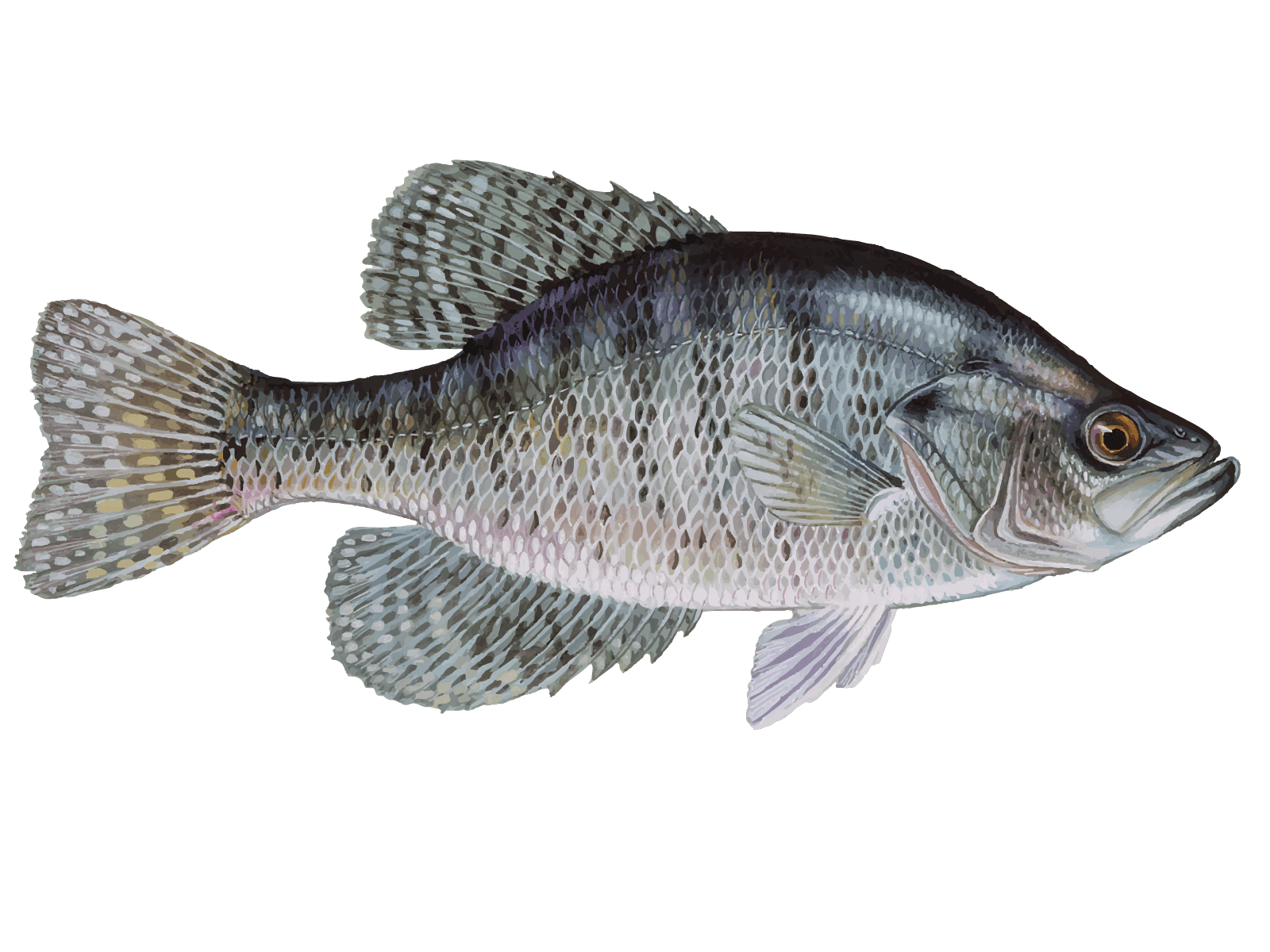
Largemouth Bass
These green giants with their signature black horizontal stripes are what most folks picture when they think bass fishing. They typically run 12-24 inches and 1-4 pounds, though Lake Havasu holds some real bruisers. You'll find them around structure - fallen trees, rocky points, and weed lines where they ambush prey. Bass bite year-round here, but spring and fall offer the best action when they're more active in shallow water. What makes largemouth special is that fight - they'll jump, shake their heads, and give you everything they've got. Plus they're great eating when handled right. My tip: when you see that telltale red flash, that's their attraction to red lures. Try a red plastic worm around cover and hold on tight.
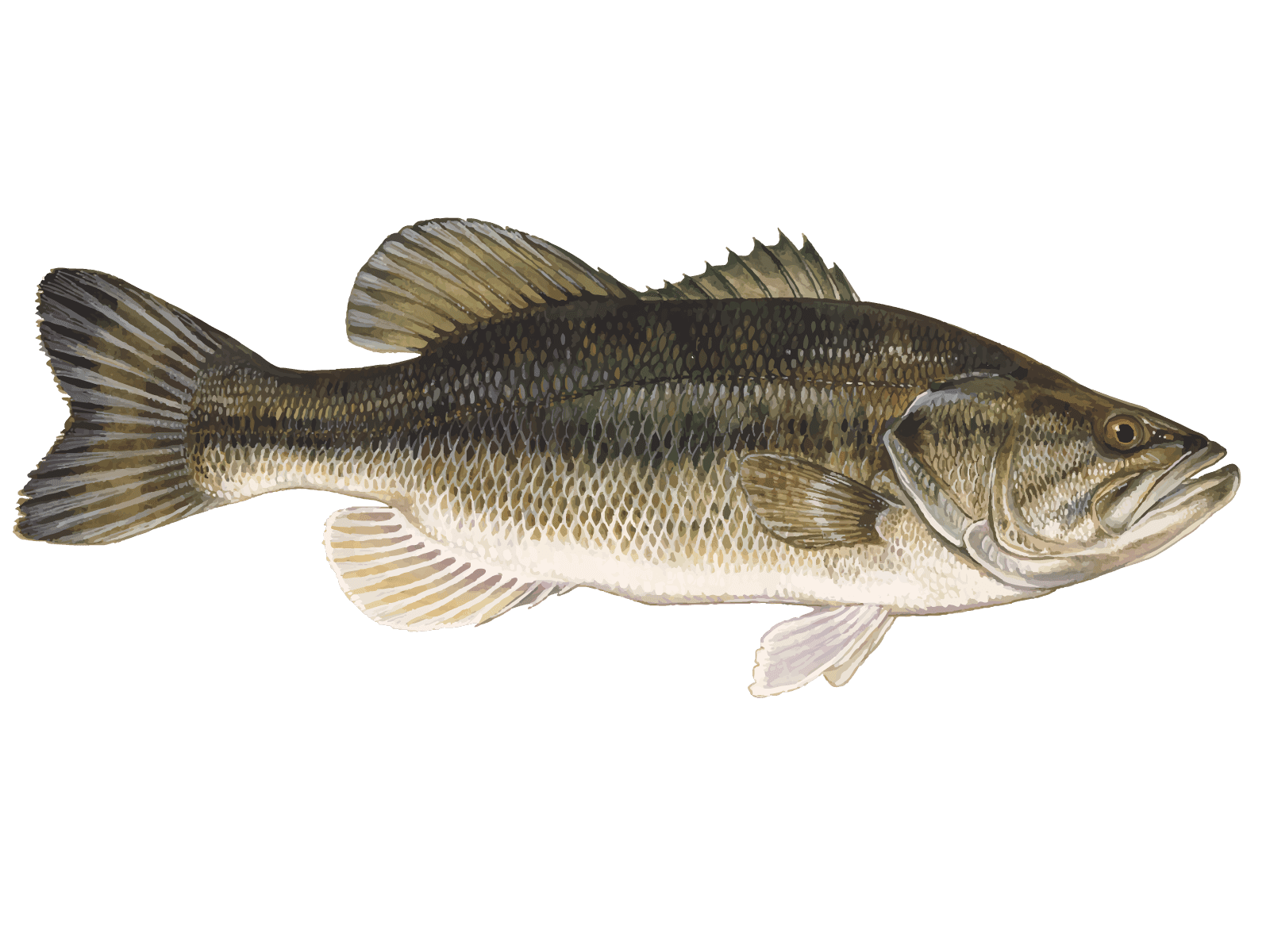
Smallmouth Bass
Smallmouth bass are bronze fighters known for their incredible pound-for-pound strength and acrobatic jumps. They typically run 18-20 inches and 2-6 pounds, preferring clear water with rocky bottoms and structure. You'll find them around boulders, points, and ledges where they ambush crayfish and small fish. Spring and fall offer the best fishing when they're active in shallower water, though summer fishing can be productive if you target deeper, cooler areas. What makes smallmouth special is their fight - they're absolute bulldogs that jump repeatedly and never give up. They're also great table fare with firm, mild meat. During summer when they go deep, try dropping a tube jig or small crankbait straight down along rocky drop-offs. Work it slow and be ready for that distinctive thump.
Striped Bass
Stripers are the heavyweights of our lake system, with their distinctive dark stripes running down silver sides. These powerful fish commonly hit 20-40 pounds, though Lake Havasu produces some real monsters. They're structure-oriented, hanging around rocky points, drop-offs, and underwater humps where they ambush schools of shad. You can target them year-round, but they're most active during cooler months and low-light periods. What sets stripers apart is their incredible strength - they're bulldogs that'll test your drag and stamina. Plus, they're excellent eating with firm, sweet meat that's perfect for the grill. The key to success is finding the baitfish first, then working your lures just below the feeding zone. When they're schooled up and feeding, you can have the fishing day of a lifetime.
White Bass
White bass are silver torpedoes with dark horizontal stripes that'll give you a workout when hooked. These aggressive fighters average 10-12 inches but can reach 18 inches and up to 7 pounds. They're schooling fish that cruise open water and hang around points, humps, and drop-offs where they herd baitfish to the surface. Spring through early summer is prime time when they're feeding heavily, and they're visual feeders so live minnows and small lures work great. What makes white bass exciting is their willingness to bite and their spirited fight - they're known for aggressive strikes and strong runs. They also make excellent table fare with sweet, flaky meat. My go-to technique: when you spot feeding birds or surface activity, get there fast with small spoons or spinners and work the edges of the school.
About the Skeeter 21'
%2F%2Fusers%2F06c9915d-bbec-4951-95c5-c62435e1961a%2Fvehicle_picture%2Fb1-ml0hax4u.jpg&w=1920&q=75)
Vehicle Guest Capacity: 3
Manufacturer Name: Yamaha
Maximum Cruising Speed: 60
Number of Engines: 1
Horsepower per Engine: 250