/filters:format(jpeg,png)/fit-in/300x300/guide_websites/87679/images/image26.png)
/filters:format(jpeg,png)/fit-in/237x80/guide_websites/87679/images/image26.png)
/users/06c9915d-bbec-4951-95c5-c62435e1961a/ratecard/image0-mlqqlnx6.jpeg)
%2F300x300%2Fusers%2F06c9915d-bbec-4951-95c5-c62435e1961a%2Fratecard%2Fimage0-mlqqlnx6.jpeg&w=256&q=75)
%2F300x300%2Fusers%2F06c9915d-bbec-4951-95c5-c62435e1961a%2Fimages%2Flargemouth-bass-az-fishing-3068.jpeg&w=256&q=75)
%2F300x300%2Fusers%2F06c9915d-bbec-4951-95c5-c62435e1961a%2Fimages%2Faqpxflrmrfpocy29b8l-_6tegnmoevsksebwi3n8k_k9mm1pf0ogwxr-4vwckfftwm6ibbv4hevtg7gjusttvxtrlkht2f4lfpld3dgiig1.mp4&w=256&q=75)
%2F300x300%2Fusers%2F06c9915d-bbec-4951-95c5-c62435e1961a%2Fimages%2Fcrappie-catch-peoria-2672.jpg&w=256&q=75)
%2F300x300%2Fusers%2F06c9915d-bbec-4951-95c5-c62435e1961a%2Fimages%2Ffishing-fun-peoria-2462.jpg&w=256&q=75)
%2F300x300%2Fusers%2F06c9915d-bbec-4951-95c5-c62435e1961a%2Fimages%2Fbest-catch-peoria-2727.jpg&w=256&q=75)
%2F300x300%2Fusers%2F06c9915d-bbec-4951-95c5-c62435e1961a%2Fimages%2Ffishing-adventure-az-2546.jpg&w=256&q=75)
%2F300x300%2Fusers%2F06c9915d-bbec-4951-95c5-c62435e1961a%2Fimages%2Fbest-great-fishing-arizona-2606.jpg&w=256&q=75)
%2F300x300%2Fusers%2F06c9915d-bbec-4951-95c5-c62435e1961a%2Fimages%2Ffishing-arizona-2603.jpg&w=256&q=75)
%2F300x300%2Fusers%2F06c9915d-bbec-4951-95c5-c62435e1961a%2Fimages%2Fone-lake-trout-az-fishing-2586.jpg&w=256&q=75)
%2F300x300%2Fusers%2F06c9915d-bbec-4951-95c5-c62435e1961a%2Fimages%2Ffishing-adventure-arizona-2668.jpg&w=256&q=75)
Wisconsin Bass Walleye Fishing Reddy Guide
 Arizona
What you will be catching:
 Crappie
 Largemouth Bass
 Northern Pike
 Smallmouth Bass
 Walleye
- Join Captain John Reddy for a 5-hour fishing adventure on Delavan or Geneva Lake. With over 40 years guiding these waters, John knows exactly where the fish are biting. You'll fish from his well-equipped 18' Alumacraft loaded with GPS and fishfinder electronics. This is a hands-on trip where you'll learn casting, jigging, and trolling techniques while targeting the lake's best spots. Perfect for beginners or experienced anglers looking to improve their skills. The season runs from March through November, giving you plenty of opportunities to get out on the water. Wisconsin fishing license required.
Trip Pricing and Availabilities:
Half Day Fishing Trip on Delavan Or Geneva Lake
Looking for a top-rated fishing experience in Wisconsin's lake country? Captain John Reddy brings over four decades of local knowledge to every trip on Delavan and Geneva Lakes. This isn't your typical charter - it's a hands-on, private fishing adventure designed for just one angler at a time. Whether you're a complete beginner or a seasoned pro looking to dial in your technique, John's personalized approach means you'll get the full attention and local secrets that make all the difference between a good day and a great day on the water.
What to Expect on the Water
Your five-hour adventure starts early, when the fish are most active and the lakes are at their calmest. You'll be fishing from John's fully rigged 18-foot Alumacraft, a workhorse that's been updated with all the modern electronics you need to find fish fast. The GPS keeps you on the productive spots, while the advanced fishfinder shows you exactly what's happening below the surface. The live bait well keeps your minnows and nightcrawlers in perfect condition all day long. This setup isn't just about having nice gear - it's about maximizing your time actually fishing instead of guessing where the fish might be. Both Delavan and Geneva Lakes offer different personalities depending on the season, and John knows how to read the water conditions, weather patterns, and fish behavior to put you on the best action of the day.
Techniques That Get Results
Forget about standing in one spot all day hoping something bites. John's approach involves multiple techniques depending on what the fish are telling you. You'll learn casting techniques for working the weed edges where bass love to ambush prey, jigging methods for pulling walleyes off deeper structure, and trolling patterns that cover water efficiently when fish are scattered. The beauty of fishing these lakes is the variety - you might start the morning casting spinnerbaits for largemouth bass in the shallows, switch to jigging for crappies around submerged timber by midday, then finish strong trolling for walleyes as the sun gets higher. John doesn't just put you on fish, he explains why certain techniques work in specific conditions so you walk away a better angler. The season runs from open water through November ice-up, giving you months of opportunity to experience these lakes at their finest.
Species You'll Want to Hook
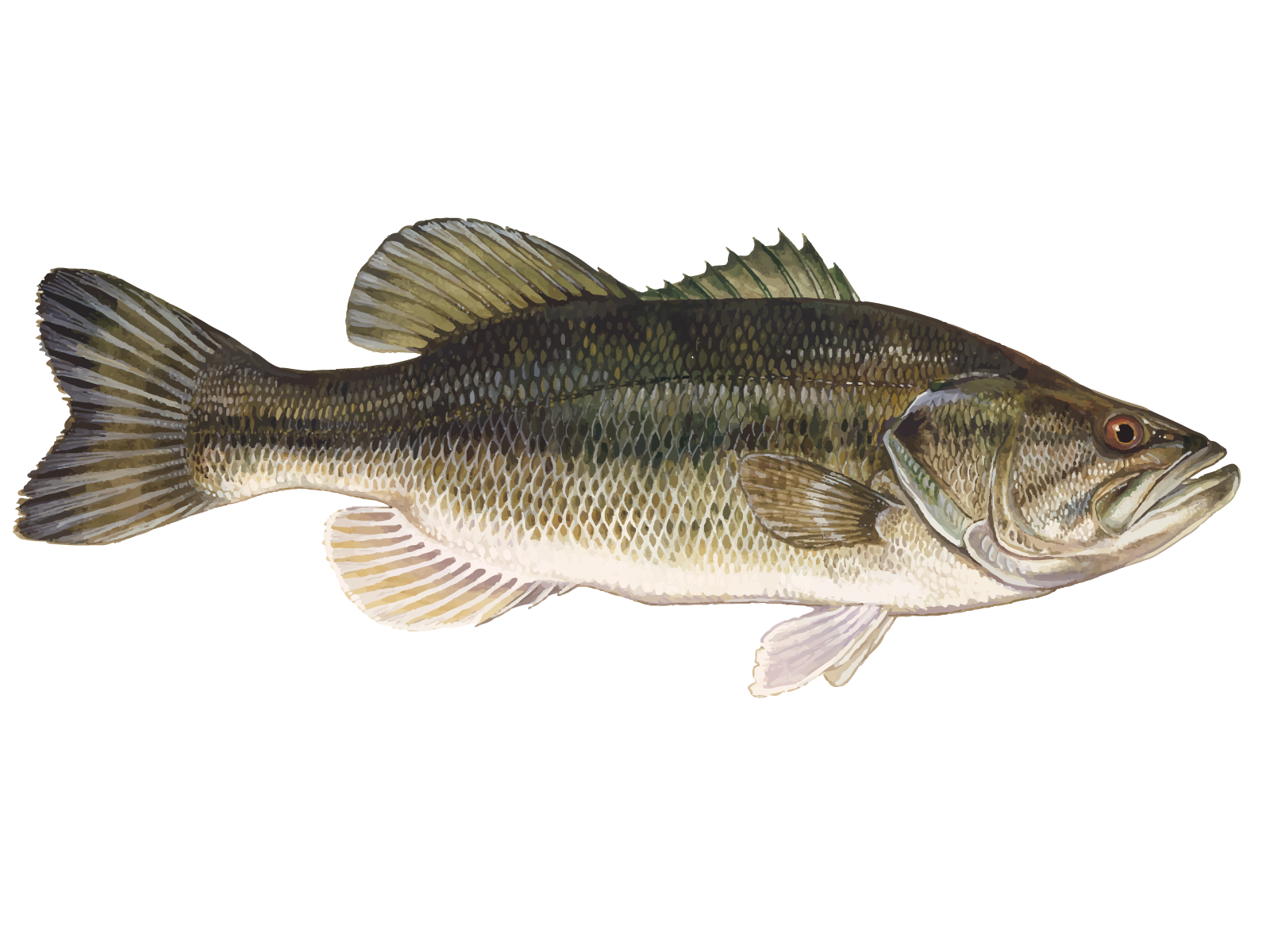
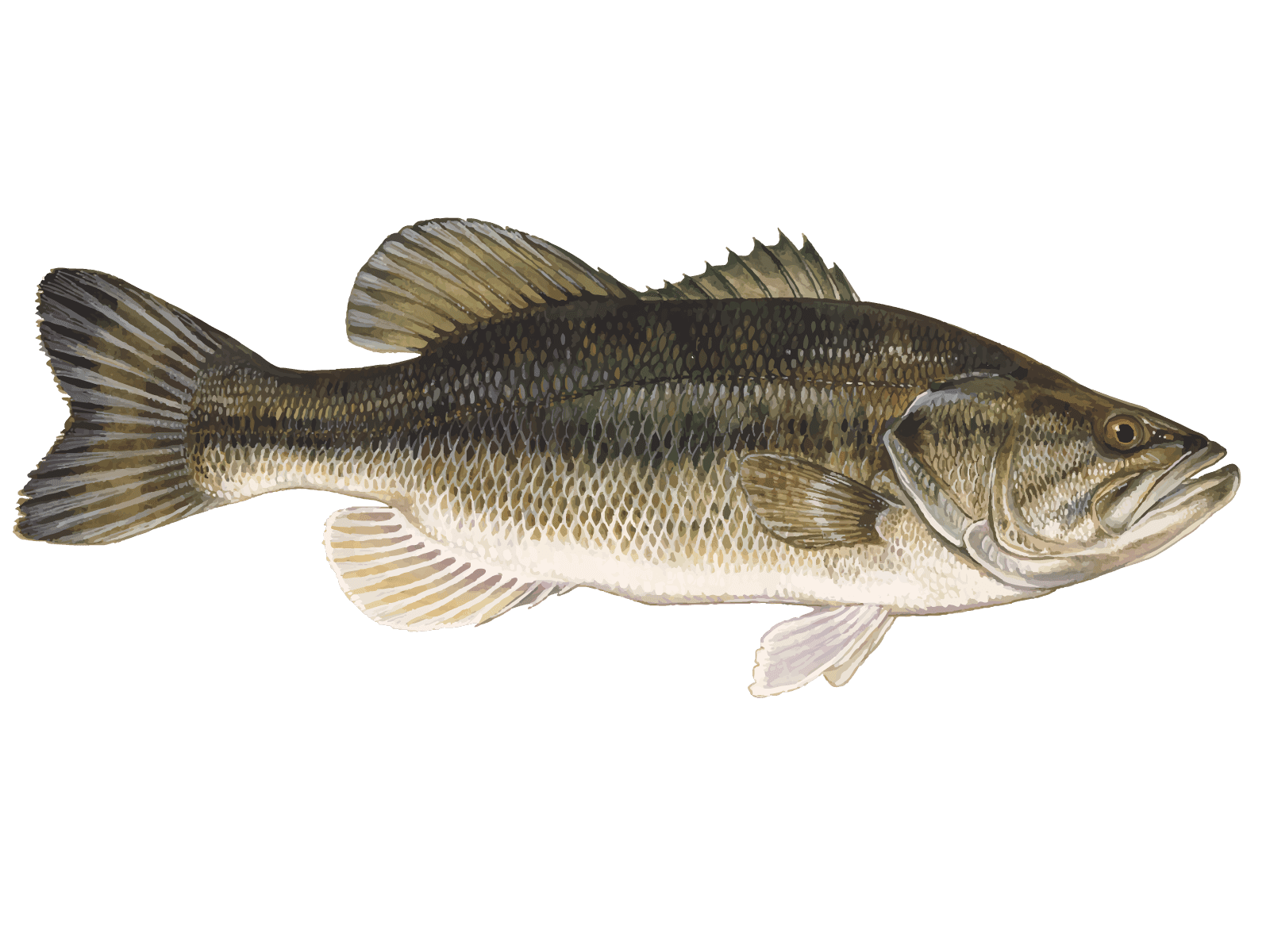
Largemouth Bass are the stars of both lakes, with Delavan and Geneva producing some chunky specimens that'll test your drag system. These aggressive predators love the extensive weed beds and fallen timber, especially during the warmer months when they're actively feeding in shallow water. Spring and early summer offer the best action when bass are in their post-spawn feeding mode, but don't count them out later in the season when they school up on deeper structure. The fight from a 4-pound largemouth in heavy cover is something every angler needs to experience.
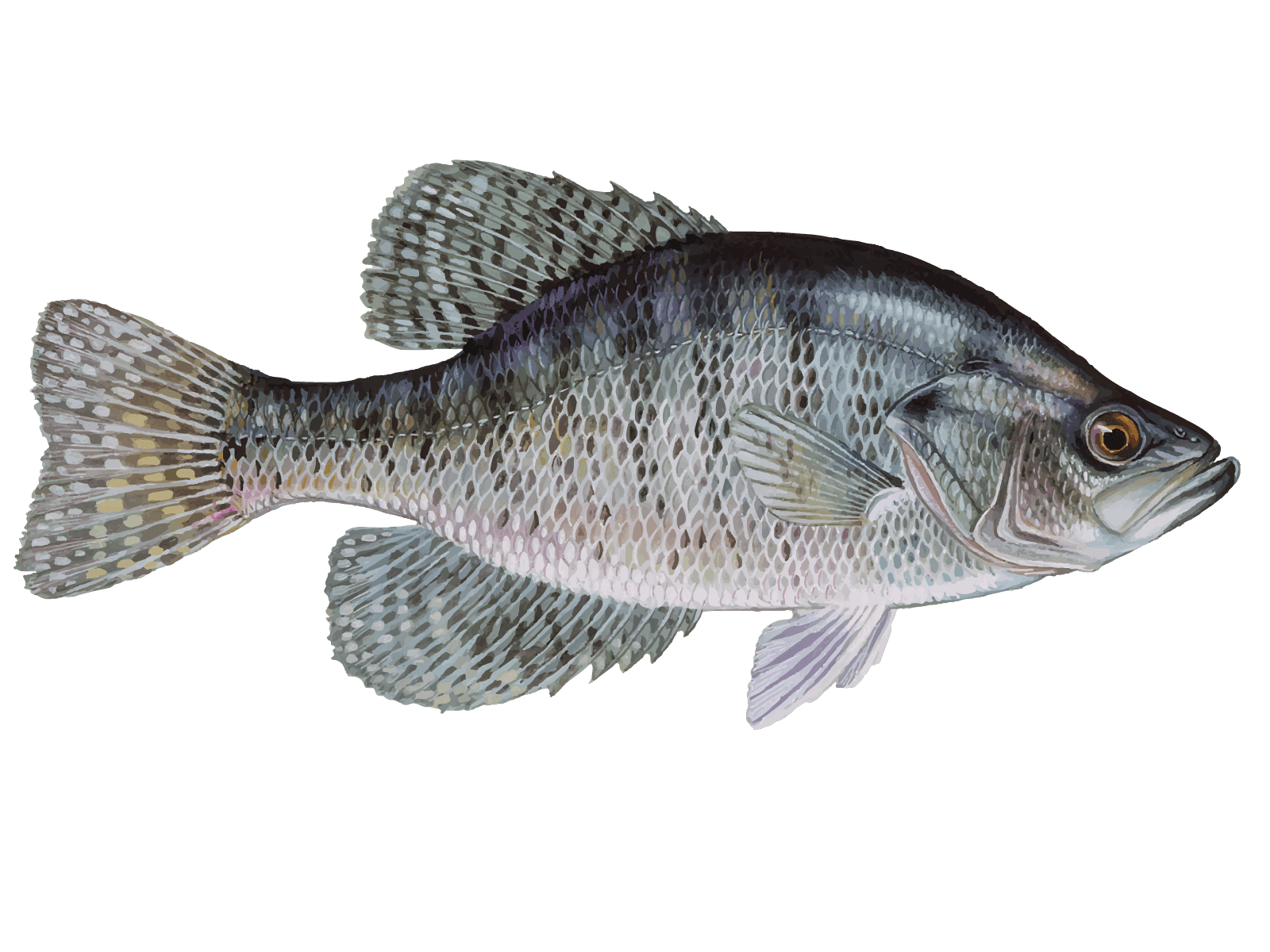
Crappies run thick in both lakes, particularly around submerged trees and deeper weed edges. These schooling fish provide consistent action once you locate them, with many running 10-12 inches and perfect for a fish fry. Early spring and late fall are prime times when crappies move into predictable patterns, but John knows the summer haunts where they suspend in deeper water during the heat of the day. Their delicate bite requires finesse, making them perfect for learning light-line techniques.
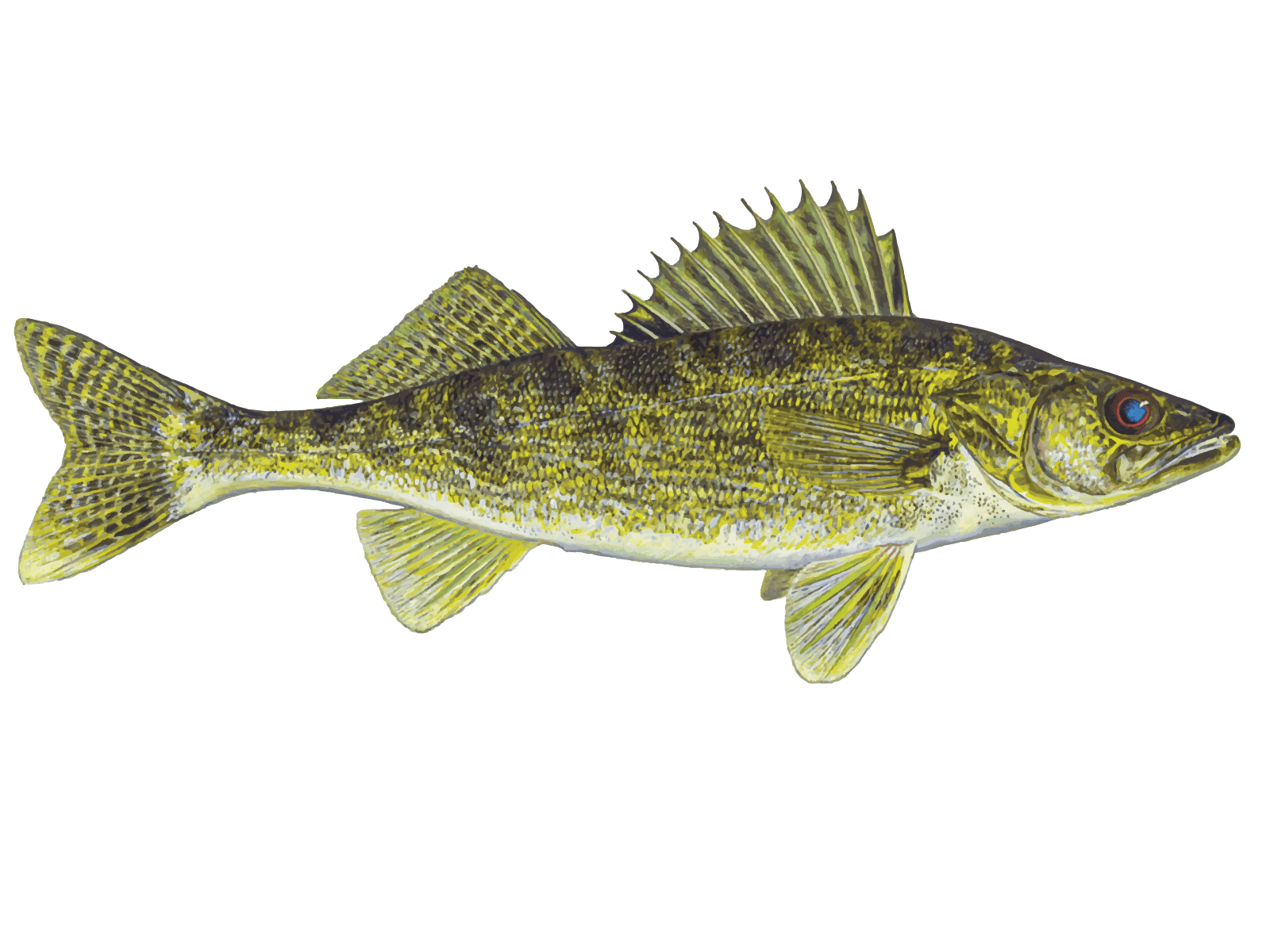
Walleyes are the wildcard species that can make your entire trip. These nocturnal predators become more active as light conditions change, making early morning and evening the prime windows. Geneva Lake particularly shines for walleyes, with its deeper structure and rocky areas providing perfect habitat. When you hook into a 20-inch walleye, you'll understand why they're considered the best eating fish in these waters. Their subtle bite teaches patience and line-watching skills that make you a more complete angler.
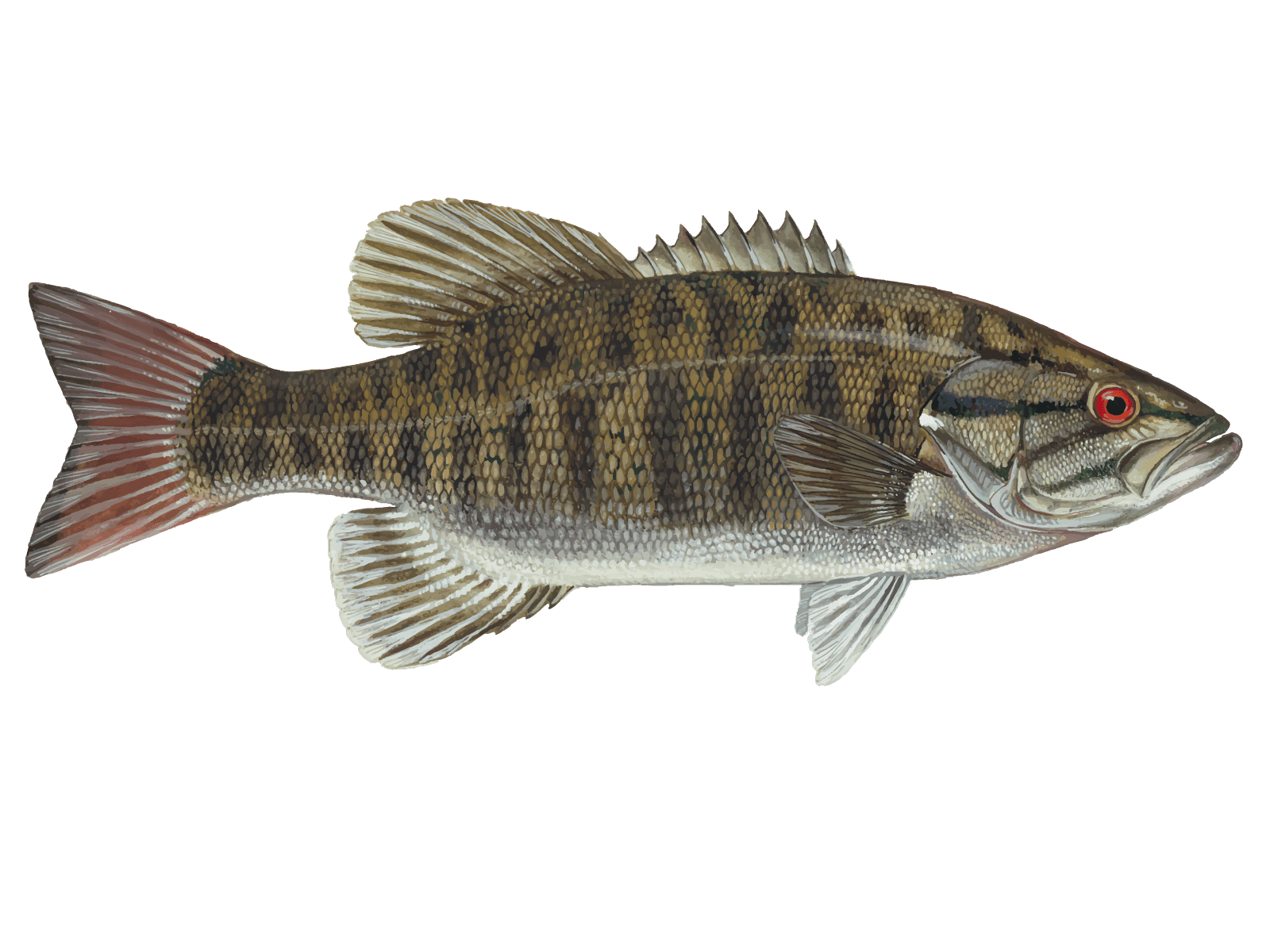
Smallmouth Bass bring the fight that pound-for-pound beats any freshwater species. These bronze-backed warriors prefer the rocky areas and deeper structure of both lakes, particularly Geneva's clearer waters. Summer months see smallmouths schooled up on offshore humps and rock piles where they ambush baitfish. A 3-pound smallmouth will jump, run, and test every knot on your line, providing the kind of action that keeps you coming back for more.
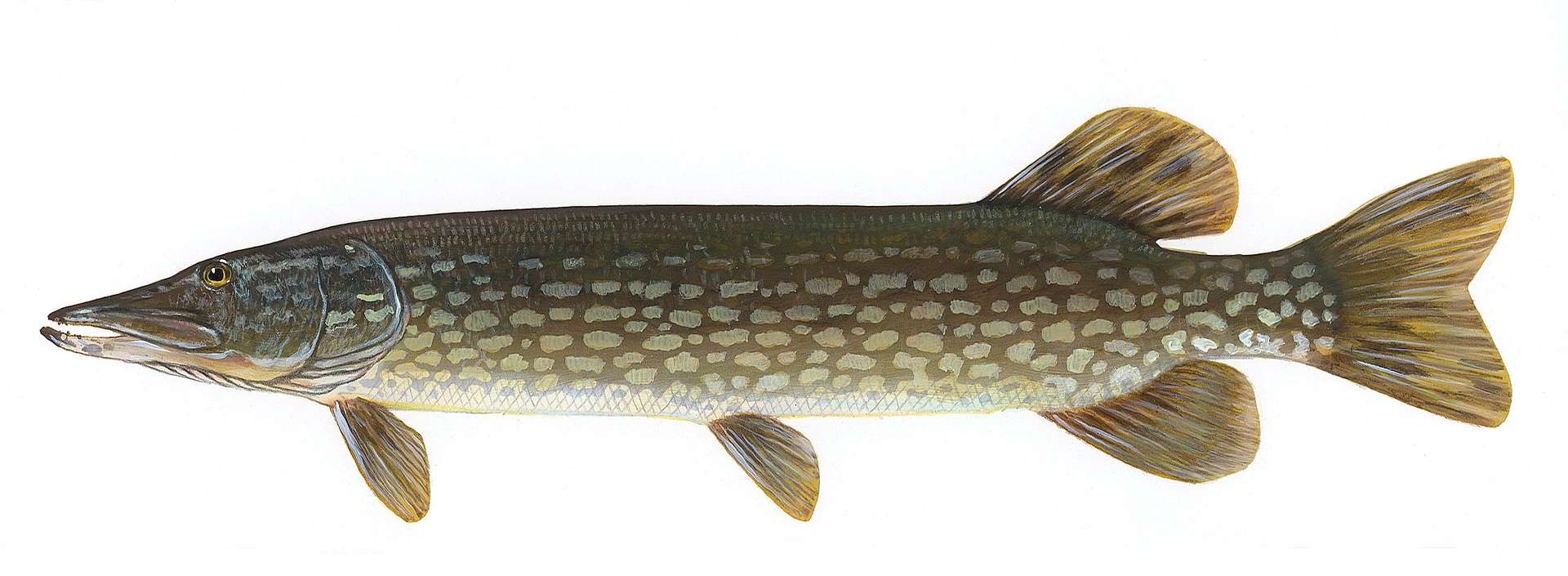
Northern Pike are the apex predators lurking in the weed beds, ready to crush anything that moves through their territory. These toothy critters provide explosive strikes and powerful runs that'll wake you up fast. Fall fishing produces the biggest pike as they feed heavily before winter, with some monsters exceeding 30 inches. Pike fishing teaches you to expect the unexpected and always be ready for something big to happen.
Why Anglers Keep Coming Back
The combination of John's four decades of experience and the productive waters of Delavan and Geneva Lakes creates fishing opportunities you simply can't replicate on your own. These aren't just guided trips - they're fishing education sessions where you learn the local patterns, seasonal movements, and presentation techniques that work specifically on these waters. The private, one-on-one format means no crowds, no rushing, and personalized instruction tailored to your skill level and interests. Many customers return season after season because they know John's local knowledge and dedication to putting clients on fish is unmatched in the area. The updated boat and electronics package ensures you're fishing efficiently and safely, while John's hands-on teaching style means you'll leave as a more confident and successful angler.
Time to Book Your Spot
Don't let another season slip by without experiencing what Delavan and Geneva Lakes have to offer. Captain John Reddy's half-day trips fill up fast, especially during peak fishing periods in spring and fall. Remember to secure your Wisconsin fishing license before the trip, and come ready for a world-class fishing experience that combines proven local expertise with some of the best multi-species action in southern Wisconsin. Whether you're
Learn more about the species
Crappie
Both black and white crappie call these lakes home, and they're some of the tastiest fish you'll find in Wisconsin waters. Most run 7-12 inches and about half a pound to a pound – perfect pan-size fish. They travel in schools around brush piles, fallen timber, and along weed edges, usually in 8-15 feet of water. Spring during spawning season is fantastic, but they bite consistently through summer and fall too. What guests love most is the action – where there's one crappie, there's usually a dozen more. Plus, they're hands-down the best eating fish in the lake with that sweet, flaky white meat. They're less active during the day, so early morning and evening tend to be most productive. Here's a local secret: use a small jig tipped with a minnow and work it slow near any standing timber you can find.
Largemouth Bass
These green giants with the oversized mouths are what many folks think of when they picture bass fishing. Most largemouth we catch run 12-24 inches and weigh 1-4 pounds, though both lakes have produced some real trophies. They love hanging around fallen trees, weed beds, and shallow bays where they can ambush prey. Spring and fall are prime time when they're active in the shallows, but summer fishing can be solid too if you find them near deeper structure. What makes them special is that explosive strike and the acrobatic fight they put up – jumping clear out of the water. They're also great eating if you want to keep a few. My tip: when fishing around heavy cover, don't be afraid to throw something big and noisy. These fish aren't shy about chasing down a meal.
Northern Pike
Pike are the lake's apex predators – long, lean fish with mouths full of razor-sharp teeth that'll eat just about anything that moves. Most pike here run 24-36 inches and 3-8 pounds, though both lakes produce some real monsters over 40 inches. They lurk in weedy bays, around fallen timber, and along vegetation edges in shallow to mid-depth water. Spring right after ice-out and fall are prime times, but they're catchable all season if you know where to look. What guests love is the explosive strike and powerful fight – pike hit hard and don't give up easy. They're also impressive fish for photos with those prehistoric looks. Just be careful of those teeth when handling them. Here's my best pike tip: use a steel leader and work your lure like an injured fish – slow and erratic. Pike often follow before striking, so don't give up on a spot too quickly.
Smallmouth Bass
Don't let the name fool you – smallmouth bass are pound-for-pound some of the strongest fighters in freshwater. These bronze-colored scrapper average 12-18 inches, with females often reaching 3-6 pounds. They love rocky areas, drop-offs, and clean gravel bottoms in 10-20 feet of water, especially where there's current or structure. Spring and fall are peak times when they're more aggressive, but summer fishing can be excellent early morning and evening. What makes smallmouth special is their attitude – they fight like fish twice their size, often jumping and making long runs. They're also excellent eating with firm, white meat. Unlike their largemouth cousins, smallmouth prefer cleaner water and rockier structure. Here's a tip that works well on both lakes: try a tube jig bounced along rocky bottom in 15-20 feet of water – smallmouth can't resist it.
Walleye
These golden-colored fish with the glassy eyes are the holy grail for many anglers, and both lakes hold good populations. Typical walleye here run 14-20 inches and 2-4 pounds, with the occasional bigger fish to keep things interesting. They prefer deeper water during the day – think 15-25 feet along rock piles, drop-offs, and weed edges. Those silver eyes help them see in low light, so dusk and dawn are prime time when they move shallow to feed. What makes walleye special is they're incredibly good eating – firm, white meat with almost no fishy taste. They're also smart fish that require some finesse to catch consistently. The bite can be subtle, so staying focused is key. My go-to method is trolling a bottom bouncer with a nightcrawler harness along the deeper breaks – it covers water and finds active fish.
About the Alumacraft 18'
%2F%2Fusers%2F06c9915d-bbec-4951-95c5-c62435e1961a%2Fvehicle_picture%2Fb2-ml0hbysc.jpg&w=1920&q=75)
Vehicle Guest Capacity: 5
Manufacturer Name: Yamaha
Maximum Cruising Speed: 28
Number of Engines: 1
Horsepower per Engine: 90