/filters:format(jpeg,png)/fit-in/300x300/guide_websites/87679/images/image26.png)
/filters:format(jpeg,png)/fit-in/237x80/guide_websites/87679/images/image26.png)
/users/06c9915d-bbec-4951-95c5-c62435e1961a/ratecard/img_9215_snapseedcopy2-mlb5fzw8.jpeg)
%2F300x300%2Fusers%2F06c9915d-bbec-4951-95c5-c62435e1961a%2Fratecard%2Fimg_9215_snapseedcopy2-mlb5fzw8.jpeg&w=256&q=75)
%2F300x300%2Fusers%2F06c9915d-bbec-4951-95c5-c62435e1961a%2Fimages%2Flargemouth-bass-peoria-3068.jpeg&w=256&q=75)
%2F300x300%2Fusers%2F06c9915d-bbec-4951-95c5-c62435e1961a%2Fimages%2Faqpxflrmrfpocy29b8l-_6tegnmoevsksebwi3n8k_k9mm1pf0ogwxr-4vwckfftwm6ibbv4hevtg7gjusttvxtrlkht2f4lfpld3dgiig1.mp4&w=256&q=75)
%2F300x300%2Fusers%2F06c9915d-bbec-4951-95c5-c62435e1961a%2Fimages%2Fanglers-great-fishing-adventure-az-2655.jpg&w=256&q=75)
%2F300x300%2Fusers%2F06c9915d-bbec-4951-95c5-c62435e1961a%2Fimages%2Ftrophy-largemouth-bass-az-2789.jpg&w=256&q=75)
%2F300x300%2Fusers%2F06c9915d-bbec-4951-95c5-c62435e1961a%2Fimages%2Ffishing-adventure-arizona-2753.jpg&w=256&q=75)
%2F300x300%2Fusers%2F06c9915d-bbec-4951-95c5-c62435e1961a%2Fimages%2Ffishing-adventure-az-2720.jpg&w=256&q=75)
%2F300x300%2Fusers%2F06c9915d-bbec-4951-95c5-c62435e1961a%2Fimages%2Flake-trout-fishing-arizona-2600.jpg&w=256&q=75)
%2F300x300%2Fusers%2F06c9915d-bbec-4951-95c5-c62435e1961a%2Fimages%2Fpink-salmon-arizona-fishing-2791.jpg&w=256&q=75)
%2F300x300%2Fusers%2F06c9915d-bbec-4951-95c5-c62435e1961a%2Fimages%2Fanglers-rainbow-trout-peoria-2485.jpg&w=256&q=75)
%2F300x300%2Fusers%2F06c9915d-bbec-4951-95c5-c62435e1961a%2Fimages%2Fangler-fishing-arizona-2771.jpg&w=256&q=75)
SE Wisconsin Ice Fishing Lakes Reddy Guide
 Arizona
What you will be catching:
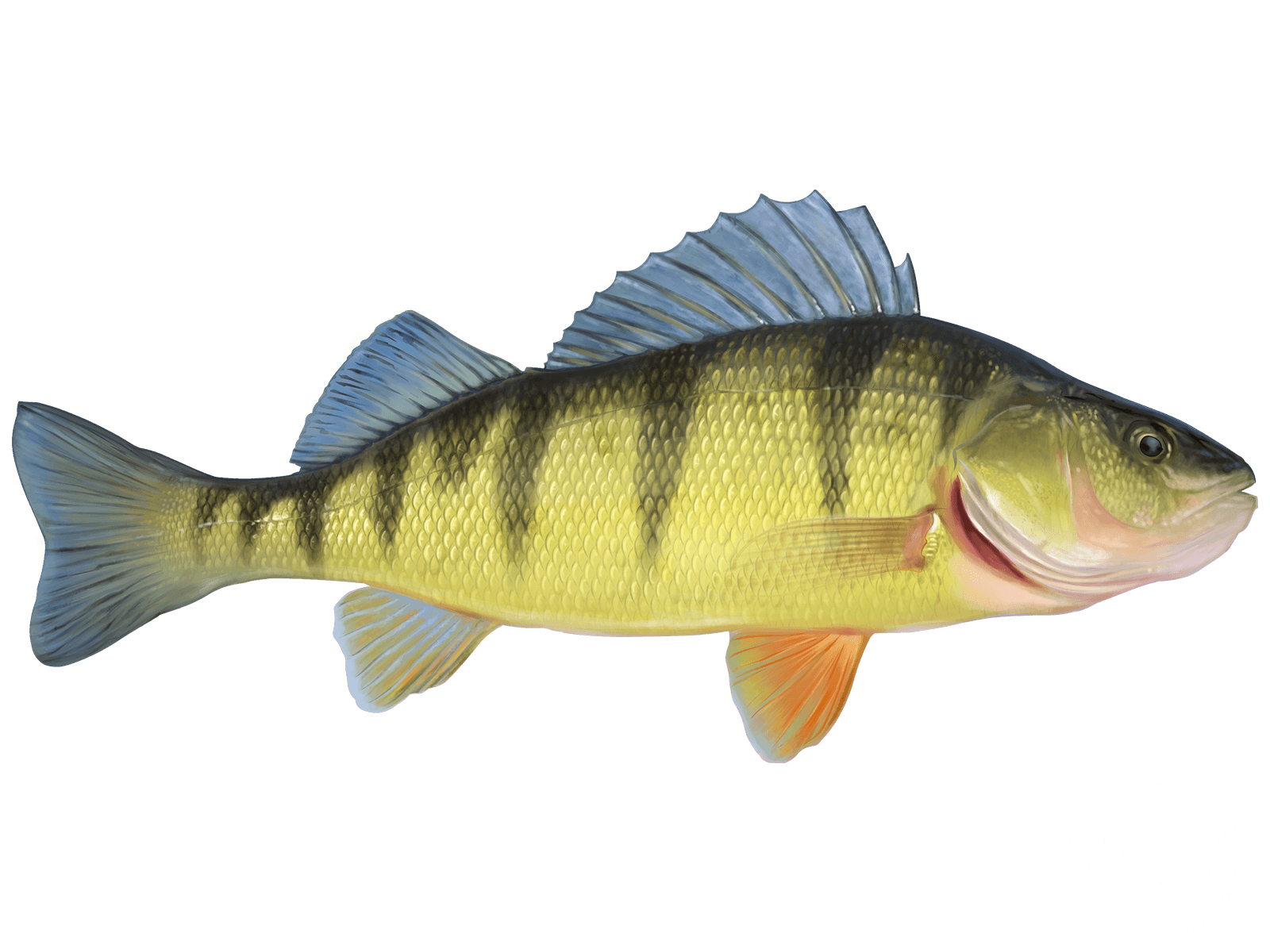
 American Yellow Perch
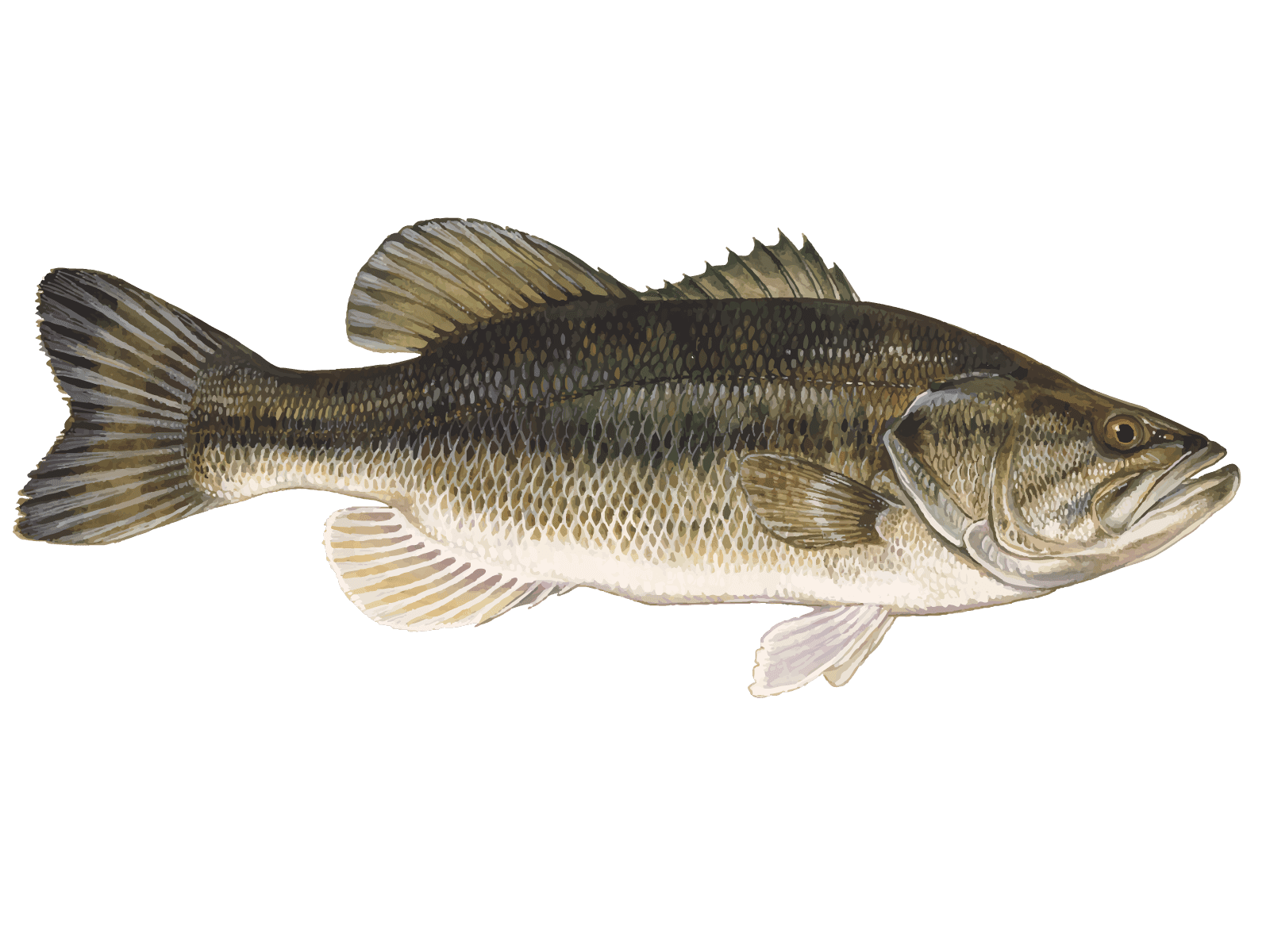
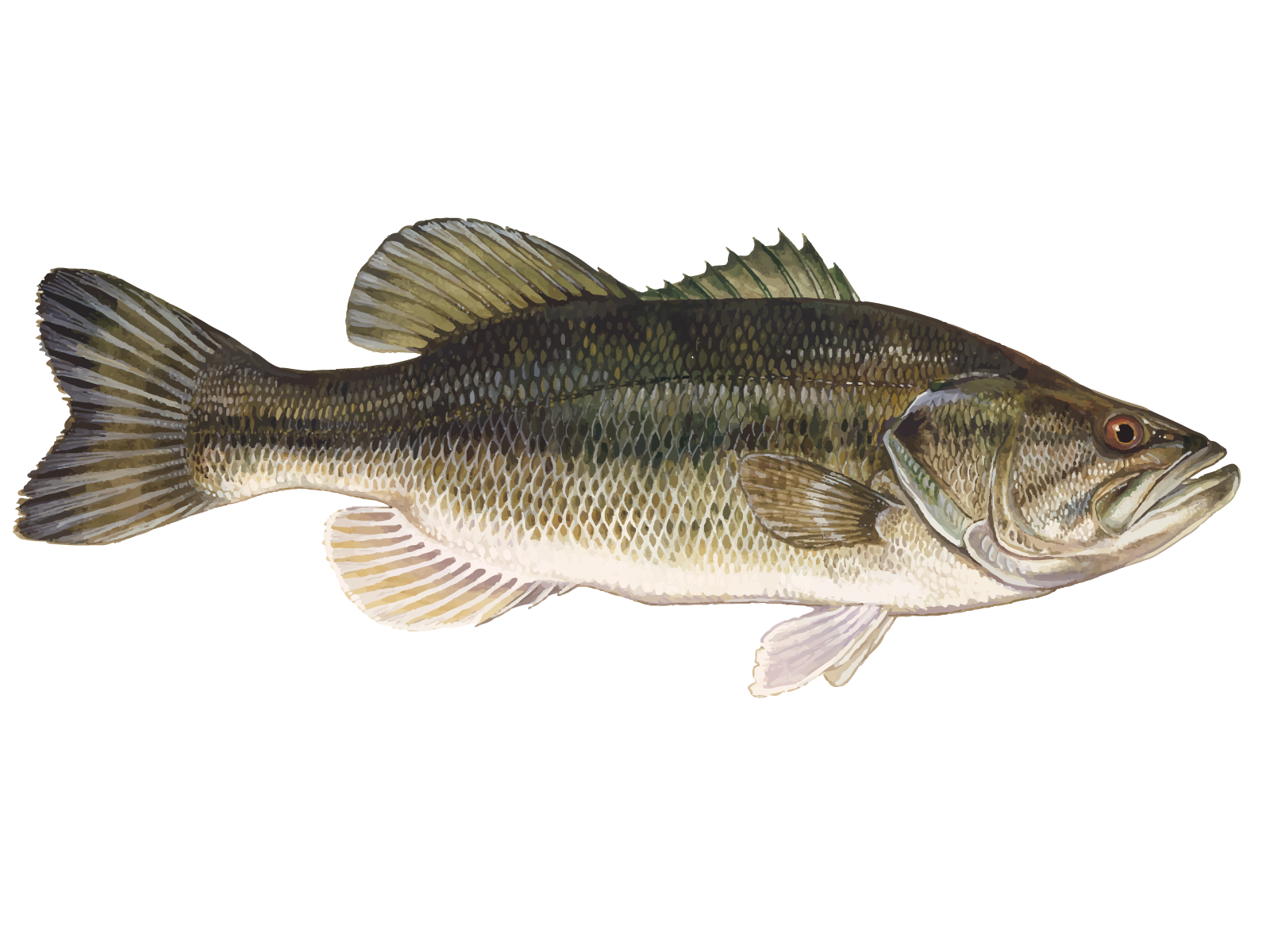 Largemouth Bass
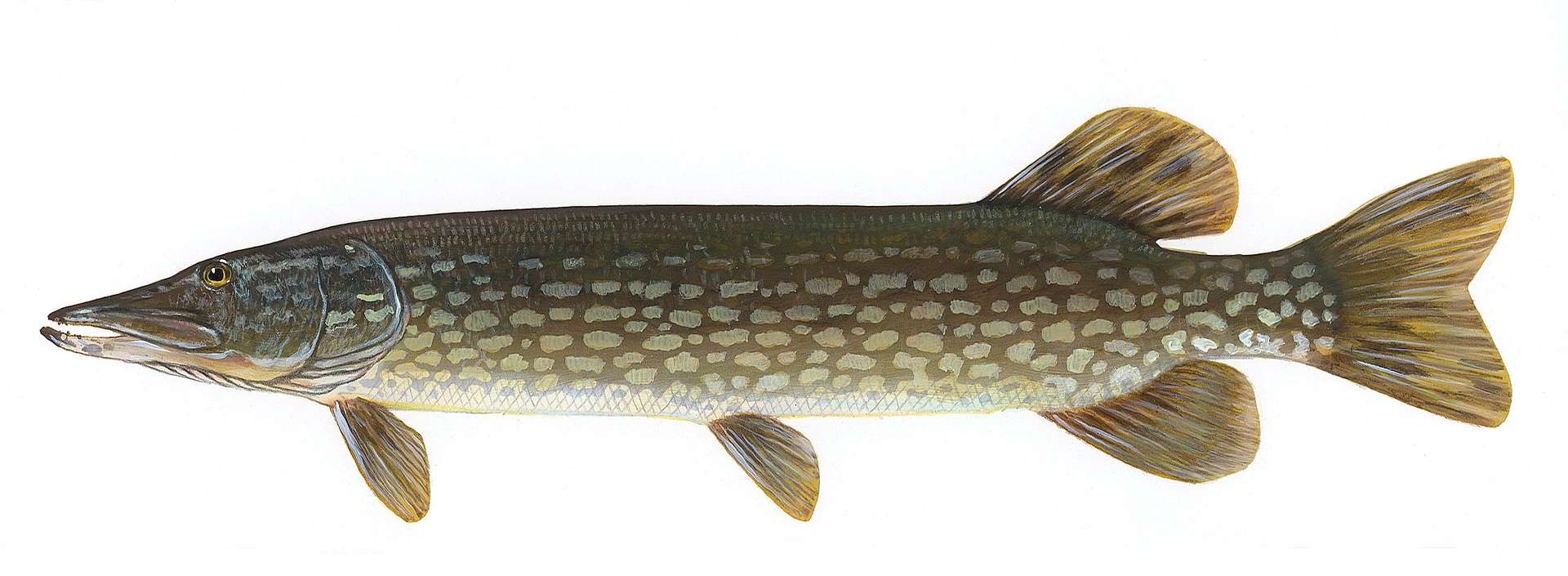
 Northern Pike
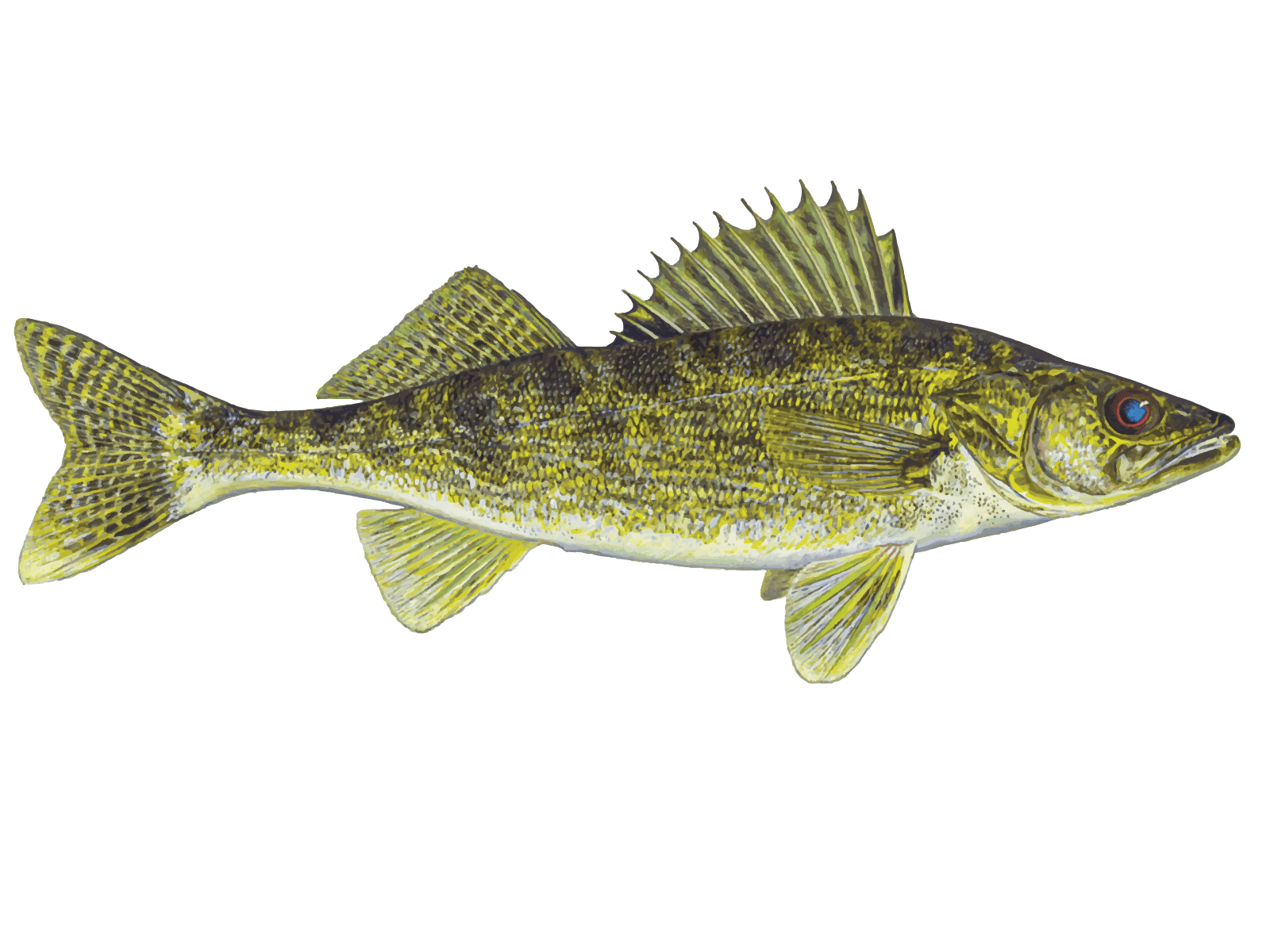
 Walleye
- Join Captain John Reddy for a comfortable 4-hour ice fishing adventure on southeastern Wisconsin's best inland lakes. Fish from heated Clam shelters while targeting northern pike, bass, walleye, and panfish on waters like Geneva Lake, Pleasant Lake, and other productive glacial lakes. All gear is included—rods, reels, tackle, and Jiffy ice drills for moving between hot spots. The captain provides Beaver Dam tip-ups for pike and quality rod setups optimized for each species. Perfect for beginners and experienced anglers who want to learn new techniques while staying warm. Wisconsin fishing license required. $450 covers up to 2 anglers with additional spots available.
Trip Pricing and Availabilities:
Half-Day Ice Fishing – Southeastern Wisconsin
When the lakes freeze over in southeastern Wisconsin, the real fishing begins. Captain John Reddy's half-day ice fishing trips give you four solid hours on some of the area's most productive waters, targeting everything from chunky panfish to aggressive northern pike. Whether you're brand new to hardwater fishing or looking to dial in your technique, this trip puts you on fish while keeping you comfortable in heated shelters. We're talking about real ice fishing here – not standing around freezing your tail off, but actually catching fish in warmth and comfort.
What to Expect on the Ice
Captain John picks your fishing spot based on current ice conditions and where the fish are biting that day. Could be Pleasant Lake for some hot panfish action, Geneva Lake for walleye, or one of the smaller kettle lakes where the northern pike are prowling shallow. The beauty of this trip is the flexibility – if one spot isn't producing, we're mobile enough to move and find active fish. You'll be fishing from heated Clam ICE HUB shelters that actually keep you warm, not just block the wind. These aren't your buddy's pop-up tent from the hardware store – these are serious fish houses with reliable heaters that let you focus on fishing instead of staying warm. The whole setup is designed around efficiency and comfort, so you spend more time with your line in the water and less time messing around with gear.
Gear That Gets Results
Everything's provided, and we're talking quality equipment here. Captain John brings Jiffy ice drills that punch through ice fast, so when it's time to move to a new spot, you're not burning daylight. The rod and reel setups are dialed in for inland species – sensitive enough to feel a bluegill nibble but with enough backbone for a decent pike. Beaver Dam tip-ups are set for the bigger predators, while HT and Clam hook-setting devices help you connect with more fish and keep your presentations tight. If the weather's nasty, warm gear is available, though honestly, between the heated shelters and staying active, most folks stay plenty comfortable. The key is having the right equipment for the conditions, and that's exactly what you get here.
Species You'll Want to Hook
Walleye are the bread and butter of Wisconsin ice fishing, and southeastern Wisconsin's glacial lakes hold some beauties. These fish move into predictable patterns during winter, often relating to drop-offs and underwater structure during the day before moving shallow to feed. They're not the flashiest fighters, but there's something satisfying about that steady head shake and the way they look coming through the ice hole. Most fish run 14 to 18 inches, with bigger ones always possible. Early morning and late afternoon tend to be prime time, though Captain John knows the spots where they bite throughout the day.
Northern pike are the wild cards that make every trip interesting. These ambush predators patrol shallow bays and weed edges, even under the ice. They hit hard and fast, often taking tip-up flags screaming across the ice. Pike fishing through the ice is pure excitement – you never know when a 30-incher is going to hammer your bait. They're aggressive, fun to fight, and always keep you on your toes. The key is having your tip-ups in the right spots, something Captain John has dialed in after years on these waters.
American Yellow Perch might be the most underrated fish swimming under Wisconsin ice. These guys school up tight during winter, and when you find them, you can have non-stop action. They're excellent table fare and fun to catch, with that distinctive perch fight and those beautiful yellow sides. Kids especially love perch fishing because the action can be fast and furious. They relate to structure and often suspend, so having good electronics and knowing the lake layout makes all the difference.
Largemouth Bass might seem like a warm-weather fish, but they're catchable through the ice if you know where to look. They move deeper in winter but still feed, especially on warmer days or during stable weather patterns. Ice bass fishing requires patience and the right presentation, but landing a decent largemouth through the ice is something special. They don't fight as hard in cold water, but they're still bass, and they still count toward your winter fishing stories.
Time to Book Your Spot
This half-day trip packs serious value into four hours on the ice. At $450 for up to two anglers, you're getting professional guide service, all equipment, heated shelters, and the local knowledge that puts you on fish. Extra anglers are just $100 each, and if the bite is hot, you can extend for additional hours. Captain John accommodates groups up to 10, so this works for everything from a father-son trip to a full crew looking to get into some winter fishing. Just bring your Wisconsin fishing license and be ready to catch some fish. The heated shelters and quality equipment make this accessible for anyone, regardless of ice fishing experience. Book your spot and see why southeastern Wisconsin's ice fishing keeps anglers coming back every winter.
Learn more about the species
American Yellow Perch
Yellow perch are the bread and butter of our ice fishing trips, and they're absolutely delicious in the pan. Most run 7-10 inches with those distinctive yellow stripes and spiny dorsal fins. They school up in huge numbers during winter, often in 12-20 feet of water near bottom structure and weed lines. What makes perch so popular is they're usually willing biters and perfect for kids or beginners to build confidence. Once you find a school, you can often catch dozens. They freeze well too, so you can stock up for fish fries all winter long. The action is steady rather than heart-stopping, but there's something satisfying about a cooler full of perch. Pro tip: when you catch one, stay put and work that area hard. Where there's one perch, there's usually fifty more right underneath.
Largemouth Bass
Largemouth bass might surprise you through the ice - they're less active than summer but still catchable around cover and structure. These green fighters typically go 12-16 inches in our lakes, with that oversized mouth and feisty attitude. Look for them near fallen trees, weed edges, and rocky areas in 6-12 feet of water. Winter bass move slower but still strike when presented with the right bait. What makes them fun is the fight - they'll jump and shake their heads trying to throw the hook. While not as predictable as perch or pike in winter, landing a good bass through the ice feels special. They're decent eating but most anglers release them for the spring spawn. Key tip: slow down your presentation and use smaller baits than summer. A tiny jig tipped with a grub worked slowly often does the trick.
Northern Pike
Northern pike are the apex predators in our local lakes, averaging 24-30 inches with those razor-sharp teeth and aggressive strikes. They lurk around weed edges, drop-offs, and shallow bays where they ambush prey. Winter pike fishing is fantastic because they stay active and move into predictable areas near structure. What guests love most is the explosive hit and strong fight - these fish don't give up easy. Pike have that prehistoric look with their torpedo shape and mean attitude that gets everyone excited. They're decent eating when prepared right, though most folks catch and release the bigger ones. My best tip for pike through the ice: use tip-ups with large minnows and give them time to run after the flag pops. Don't set the hook too quick - let them swallow the bait first.
Walleye
Walleye are one of the best eating fish in these lakes, with sweet, flaky white meat that's hard to beat. They typically run 12-18 inches through the ice, with those golden eyes that help them see in low light. You'll find them relating to structure - rock piles, drop-offs, and weed edges in 8-15 feet of water. Winter is prime time since they stay active under ice and school up tight. What makes walleye special is they're challenging to locate but once you find a school, the action can be steady. They fight with strong head shakes and diving runs that test your drag. Here's a local tip: when you mark fish on the flasher but they won't bite, try downsizing your jig and going with a more subtle presentation. Sometimes less is more with these finicky biters.