/filters:format(jpeg,png)/fit-in/300x300/guide_websites/87679/images/image26.png)
/filters:format(jpeg,png)/fit-in/237x80/guide_websites/87679/images/image26.png)
Parker Strip & Lake Havasu Smallmouth Fishing Guide
%2Ffit-in%2F1000x1000%2Ffilters%3Aformat(webp)%2Fguide_websites%2F87679%2Fimages%2F1770229628737image58.png&w=1920&q=75)
Published: July 28, 2026
Parker Strip and Lake Havasu are two of Arizona's most popular freshwater fishing destinations, attracting anglers with diverse habitats and excellent opportunities to catch multiple game fish. Although they are connected by the Colorado River, each location offers a different fishing experience shaped by water movement, shoreline structure, and seasonal fish behavior. From rocky shorelines preferred by smallmouth bass to quiet coves where largemouth bass thrive, these waters provide something for anglers of every skill level.
Fishing success often comes from understanding how each species uses its environment rather than relying on one technique throughout the day. Water depth, current, underwater structure, and changing temperatures all influence where fish gather and when they feed. Adjusting your approach to match these conditions can help you enjoy a more productive day while exploring two of Arizona's best-known fisheries.
Two Fisheries, Two Different Experiences
Although Parker Strip and Lake Havasu are connected by the Colorado River, they fish very differently. Understanding the strengths of each destination helps anglers decide where to spend their time based on the species they want to target and the style of fishing they enjoy.
Parker Strip
Parker Strip is known for its steady river current, sheltered backwaters, and healthy aquatic vegetation. The combination of moving water and protected coves creates productive habitat for several freshwater species throughout the year.
- Water Flow: Moderate river current with calm backwater areas.
- Habitat: Weed beds, submerged brush, docks, rocky banks, and shallow coves.
- Best For: Anglers looking for a variety of species in a single outing.
- Fishing Style: Casting along vegetation, drifting current edges, and working shoreline structure.
Its mix of current and calm water allows anglers to switch techniques easily without traveling long distances, making Parker Strip a favorite destination for both recreational and experienced fishermen.
Lake Havasu
Lake Havasu is internationally recognized for its outstanding bass fishing and clear water conditions. Its rocky shoreline, underwater ledges, offshore humps, and numerous coves provide excellent habitat for several sport fish, especially bass.
- Lake Size: More than 19,000 surface acres with miles of fishable shoreline.
- Water Clarity: Clear water that often rewards natural presentations and longer casts.
- Habitat: Rock piles, steep points, submerged structure, and defined drop-offs.
- Best For: Anglers targeting quality bass while enjoying a wide variety of fishing locations.
The combination of clear water and diverse structure has helped establish Lake Havasu smallmouth fishing as one of the area's most popular freshwater experiences, attracting anglers from across the Southwest.
Which Species Should You Target?
One of the biggest advantages of fishing Parker Strip and Lake Havasu is the opportunity to pursue several popular freshwater species during the same trip. Each fish behaves differently, making it worthwhile to adjust your location and presentation instead of relying on a single approach all day.
Smallmouth Bass
Smallmouth bass are known for their aggressive strikes and powerful fights. They commonly relate to rocky shorelines, submerged ledges, and points where deeper water is close by. Early mornings and late afternoons are often productive, particularly when water temperatures remain moderate. Because these fish frequently move with changing conditions, covering different depths can significantly improve success.
Largemouth Bass
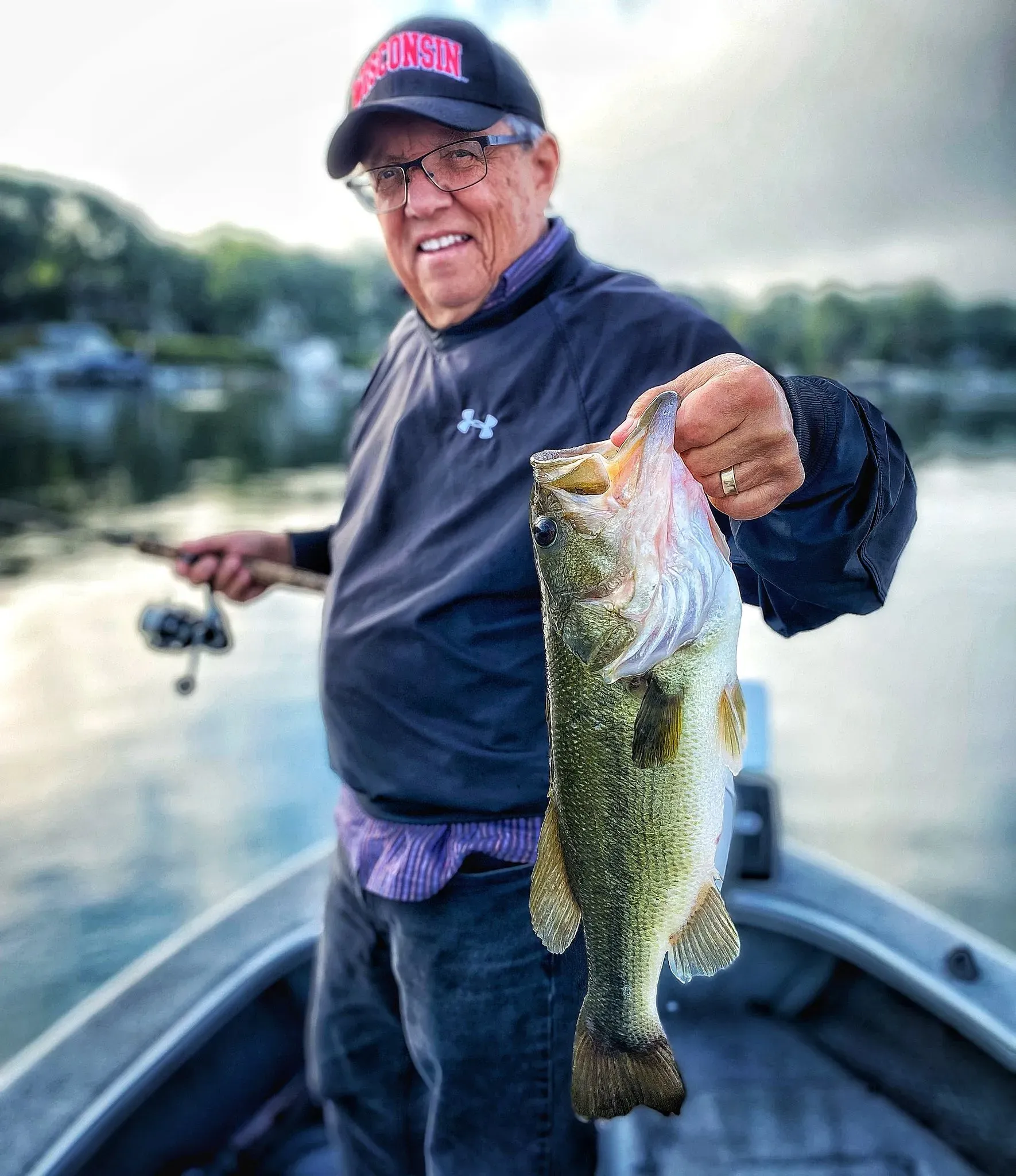
Largemouth bass prefer heavier cover and calmer water than smallmouth bass.
They are commonly found around:
- Thick weed beds
- Boat docks
- Flooded brush
- Standing timber
- Shallow coves
- Vegetated shorelines
Casting accurately around cover and retrieving slowly through likely ambush points often encourages strikes from larger fish.
Striped Bass
Striped bass regularly travel in schools and spend much of their time following baitfish. Unlike bass that remain close to structure, stripers may move across open water in search of feeding opportunities. Watching for diving birds, surface activity, or schools of baitfish can provide valuable clues when searching for actively feeding fish.
Redear Sunfish
Redear sunfish offer enjoyable fishing for anglers of all ages and are well known for their strong fight despite their smaller size.
When targeting redear sunfish, look for:
- Gravel or sandy bottoms.
- Areas with aquatic vegetation.
- Calm coves protected from heavy current.
- Moderate water depth during warmer months.
- Small natural baits presented near the bottom.
Their willingness to bite and steady action make them an excellent choice for family fishing trips or anglers looking to add another species to their day.
Matching Your Fishing Strategy to the Water
Every section of Parker Strip and Lake Havasu fishes differently. Instead of making random casts, focus on the type of water in front of you. Identifying productive structure and understanding how different species use it will help you spend more time around active fish.
1. Rocky Shorelines
Rocky banks are prime habitat for smallmouth bass because they provide shelter, stable water temperatures, and easy access to deeper water. Fish these areas by working your lure parallel to the shoreline and paying attention to changes in rock size or underwater ledges.
2. Weed Edges
Healthy vegetation attracts baitfish, insects, and other forage that largemouth bass and redear sunfish rely on. Casting along the outside edge of weed beds often keeps your presentation in the strike zone while reducing the chances of getting snagged.
3. Points and Drop-Offs
Underwater points create natural feeding routes as fish move between shallow and deep water. These locations can hold multiple species throughout the day, especially during changing light conditions when predators become more active.
4. Channel Swings
Where the river channel bends close to shore, deeper water often forms beside shallower flats. These transition areas give fish quick access to both feeding and resting locations, making them productive throughout much of the year.
5. Calm Coves
Protected coves provide shelter from wind and strong current, allowing baitfish to gather in large numbers. They are excellent places to target largemouth bass, redear sunfish, and juvenile fish that seek calmer water.
Seasonal Changes That Matter Most
Fish behavior changes throughout the year, and understanding these seasonal patterns helps anglers decide where to start and how to adjust as conditions evolve.
Spring
Spring is one of the busiest fishing seasons as warming water increases feeding activity. Bass move into shallower areas, striped bass actively pursue baitfish, and redear sunfish begin appearing around suitable spawning habitat. Moderate water temperatures also allow anglers to cover a variety of locations successfully.
Summer
Higher temperatures encourage many fish to adjust their daily routine.
- Early Morning: Fish often feed aggressively in shallow water before temperatures rise.
- Midday: Deeper structure, submerged ledges, and shaded areas become more productive.
- Evening: Many species return to shallower water as conditions cool.
Fall
Cooling temperatures trigger increased feeding before winter.
- Bass become more active around rocky points.
- Striped bass often school around baitfish.
- Fish may remain active for longer periods during the day.
- Changing weather patterns can improve fishing conditions.
Winter
Fishing slows compared to warmer months, but patient anglers can still find success by targeting deeper water with slower presentations. Maintaining good lure control and fishing close to the bottom often produces the most consistent results.
Tackle Choices That Cover Multiple Species
Fishing for several species during the same trip doesn't require carrying dozens of rods. A carefully selected setup gives you the flexibility to adjust techniques while keeping your equipment simple and manageable.
Rod Combinations
A few versatile setups can handle most situations.
- Medium spinning rod for smallmouth bass and redear sunfish.
- Medium-heavy casting rod for largemouth bass.
- Heavier setup when targeting striped bass.
- Extra spool of line for changing techniques quickly.
Choosing versatile equipment allows you to switch between species without constantly re-rigging multiple rods.
Artificial Lures
Artificial lures provide flexibility when covering different types of water. Soft plastics perform well around rocks and vegetation, crankbaits help locate active fish over larger areas, and jerkbaits are excellent choices in clearer water where bass rely heavily on sight to feed.
Live Bait
Live bait remains effective for anglers who prefer natural presentations.
- Minnows: Excellent for striped bass and bass during cooler months.
- Nightcrawlers: Reliable for redear sunfish and opportunistic bass.
- Cut Bait: Occasionally used when targeting larger striped bass.
When to Downsize
If fishing pressure increases or bites become less frequent, switching to smaller lures can often improve results. Downsizing creates a more natural presentation and may encourage fish that have ignored larger offerings throughout the day.
Solve Common Fishing Challenges with Arizona fishing guides
Even experienced anglers can struggle when visiting unfamiliar water. Instead of spending valuable time figuring out seasonal fish movement or searching for productive locations, local guidance can help you adapt more quickly to changing conditions.
Problem: You're Fishing Unfamiliar WaterProblem: You're Fishing Unfamiliar Water
Every section of Parker Strip and Lake Havasu has unique structure, depth changes, and seasonal fish movement. Without local knowledge, it's easy to spend hours in areas that simply aren't holding active fish.
Solution: Local guides understand how water levels, weather, and fish behavior change throughout the season, helping anglers begin their trip in productive locations.
Problem: Fish Keep Changing Locations
Bass and striped bass often follow baitfish, while redear sunfish respond to changing water temperatures and spawning cycles. These movements can make fish difficult to locate without recent experience on the water.
Solution: Experienced guides monitor seasonal patterns and adjust fishing locations throughout the day instead of relying on yesterday's conditions.
Problem: Limited Time on the Water
Many visitors have only a single day to fish, making efficiency especially important.
Solution: Working with knowledgeable Arizona fishing guides allows you to spend less time searching and more time fishing, while also learning techniques that remain useful long after your trip ends.
Understanding Fishing Charter Rates
The cost of a guided fishing trip depends on more than the number of hours you'll spend on the water. Comparing what each trip includes helps you choose the best value while planning an outing that matches your goals and experience level.
Why do prices vary?
Several factors influence fishing charter rates, including trip length, season, guide experience, and the number of anglers in your group. Multi-species trips may also require additional equipment or travel between fishing areas, which can affect overall pricing.
What's usually included?What's usually included?
Most guided trips commonly provide:
- Boat and fuel
- Rods, reels, and tackle
- Safety equipment
- Local fishing instruction
- Fish cleaning services (varies by guide)
Always confirm what's included before booking so you know whether you'll need to bring additional equipment, food, or beverages.
Are half-day trips worthwhile?
Yes. Half-day trips are a great option for families, first-time visitors, or anglers with limited time. Full-day trips provide greater flexibility to explore different sections of Parker Strip and Lake Havasu while targeting multiple species.
When should you book?
Peak fishing seasons often fill quickly, particularly during spring and fall. Reserving your preferred date in advance gives you the best opportunity to fish under favorable conditions.
Before You Head to the Water
Preparing before your trip helps you spend more time fishing and fewer minutes dealing with avoidable setbacks. Before launching, make sure you have the proper safety equipment, enough tackle, drinking water, weather-appropriate clothing, and a landing net suitable for larger fish. Every angler should also carry a valid Arizona fishing license and review current fishing regulations, bag limits, and seasonal updates before heading out. Once you land a fish, handle it carefully by wetting your hands, removing hooks gently, and minimizing the time it spends out of the water to help maintain healthy fish populations for future generations.
Experience Parker Strip & Lake Havasu Fishing with Reddy Guide Service
Fishing these waters is about more than choosing the right lure. Water clarity, seasonal fish movement, changing weather, and the type of structure you're fishing all influence where fish are likely to be throughout the day. Having local knowledge can make the experience more enjoyable while helping you spend more time fishing productive water instead of searching unfamiliar areas.
Reddy Guide Service provides anglers with practical insight gained from years of experience on Parker Strip and Lake Havasu. Whether you're hoping to catch your first smallmouth bass, target several species during one trip, or simply enjoy Arizona's scenic waterways with family and friends, you'll receive knowledgeable guidance and a fishing experience built around current conditions.
Conclusion
Parker Strip and Lake Havasu offer outstanding opportunities for anglers interested in much more than a single species. From rocky shorelines that attract smallmouth bass to calm coves holding largemouth bass and redear sunfish, each area presents a unique fishing experience. Understanding seasonal patterns, matching your approach to different habitats, and preparing before your trip can greatly improve your chances of success. Whether you're visiting for a weekend getaway or planning a dedicated fishing adventure, these Arizona waters continue to reward anglers who adapt to changing conditions. When you're ready to make the most of your time on the water, plan your next outing with Reddy Guide Service.
Frequently Asked Questions
1. Can I catch multiple fish species during the same trip?
Yes. Many anglers successfully target smallmouth bass, largemouth bass, striped bass, and redear sunfish during a single outing by adjusting locations and techniques.
2. Which destination is better for first-time visitors?
Both offer excellent fishing, but Parker Strip is often preferred by anglers looking for calmer water and a variety of accessible fishing locations.
3. Does boat traffic affect fishing?
Heavy recreational boat traffic can temporarily move fish away from shallow areas, making early mornings and evenings productive times to fish.
4. Are fish finders useful on Lake Havasu?
Yes. Electronics help identify drop-offs, submerged structure, baitfish schools, and depth changes that frequently attract game fish.
5. Is shoreline fishing productive?
Absolutely. Several public access areas provide opportunities to catch bass, sunfish, and other species without needing a boat.
6. What weather conditions usually improve fishing?
Stable weather, light wind, and moderate temperatures often create favorable feeding conditions for several freshwater species.
7. Can families enjoy redear sunfish fishing?
Yes. Redear sunfish are an excellent target for families because they are enjoyable to catch and commonly found in accessible, calmer areas.
8. Are kayaks suitable for Parker Strip?
Yes. Many protected coves and slower-moving sections are well suited for kayak anglers, provided weather and water conditions are favorable.
9. What time of day is generally most productive?
Early morning and late evening often provide increased feeding activity, particularly during the warmer months.
10. How far in advance should I reserve a guided fishing trip?
Booking several weeks ahead is recommended during spring and fall, when fishing conditions are popular, and guide availability becomes more limited.