/filters:format(jpeg,png)/fit-in/300x300/guide_websites/87679/images/image26.png)
/filters:format(jpeg,png)/fit-in/237x80/guide_websites/87679/images/image26.png)
Lake Trout Ice Fishing on Geneva Lake
%2Ffit-in%2F1000x1000%2Ffilters%3Aformat(webp)%2Fguide_websites%2F87679%2Fimages%2F1770229628737image58.png&w=1920&q=75)
Published: July 28, 2026
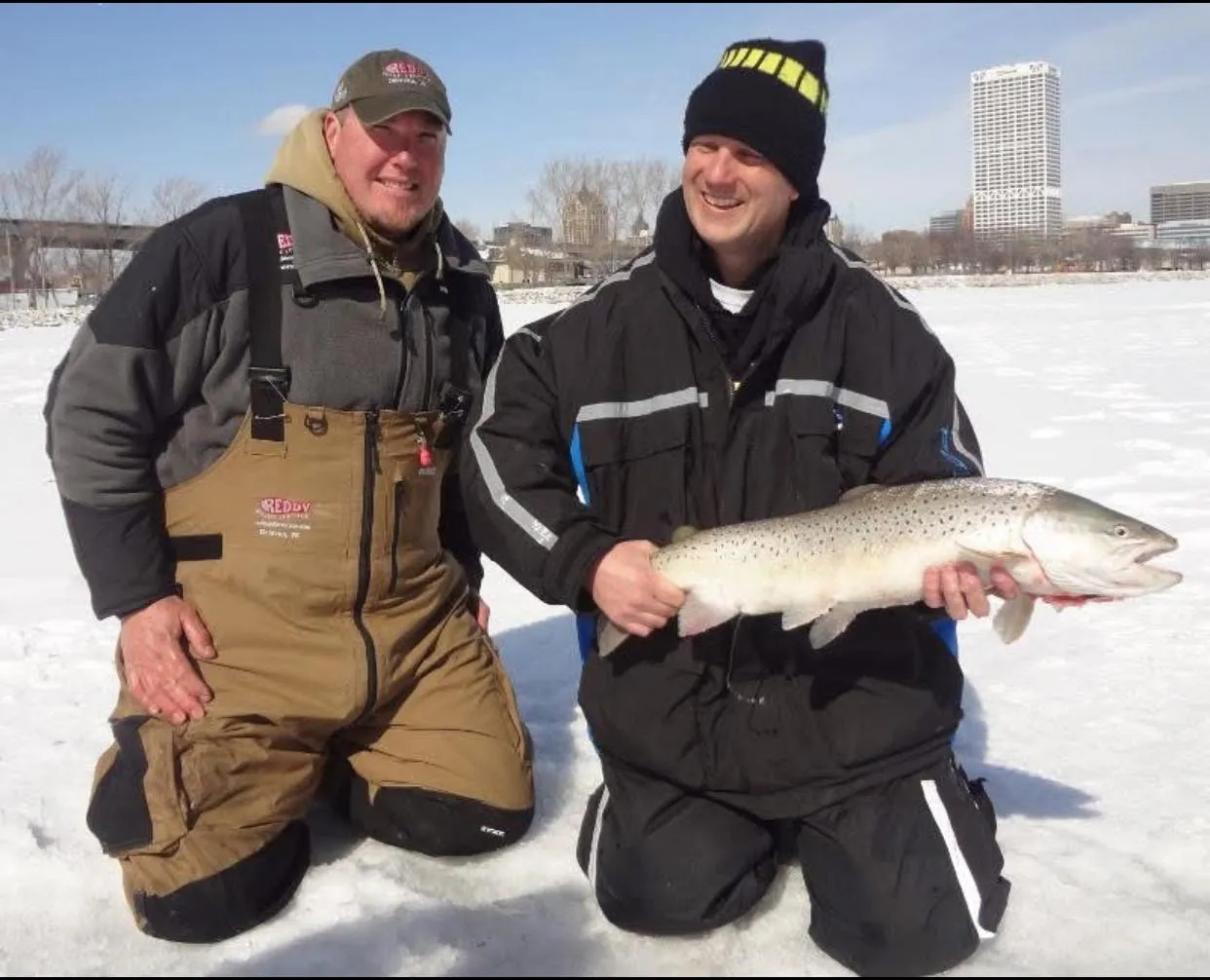
Geneva Lake offers one of Wisconsin's most distinctive ice fishing experiences for anglers pursuing lake trout. Unlike shallow lakes where many fish remain close to vegetation, lake trout spend the winter in deep, cold water shaped by the lake's natural contours. Success depends on understanding how this environment influences fish movement beneath the ice. From changing winter conditions to the lake's underwater landscape, every trip presents a different challenge that keeps anglers returning season after season.
How Geneva Lake Creates the Right Winter Habitat for Lake Trout
Geneva Lake's natural characteristics set it apart from many other inland lakes in Wisconsin. Its depth, water quality, and underwater features create an environment where lake trout can remain healthy and active throughout the winter months.
- Deep Water: The lake's deep basins provide consistently cold water, giving lake trout the conditions they need even after the surface freezes.
- Clear Water: Excellent water clarity supports a balanced ecosystem and allows trout to move comfortably between different depth zones.
- Natural Structure: Steep breaks, underwater ridges, and basin edges create areas where trout can travel, rest, and search for food.
- Healthy Forage Base: A dependable supply of baitfish helps sustain one of the state's most recognized cold-water Wisconsin fish species, making Geneva Lake a respected destination for winter anglers.
How Lake Trout Activity Changes From Early Ice to Late WinterHow Lake Trout Activity Changes From Early Ice to Late Winter
Lake trout remain active throughout the ice season, but their movement changes as winter progresses. Recognizing these seasonal shifts helps anglers better understand how fish use different parts of Geneva Lake.
Early Ice
When safe ice first develops, lake trout often continue using areas where food is readily available. Cooler water temperatures throughout the lake allow them to move through a wider range of depths while remaining active.
Mid-Winter
As winter settles in, trout become more closely associated with deeper sections of the lake. They continue feeding, but their movement is often influenced by available forage and changing light conditions beneath the ice.
Late Winter
Longer days and gradual seasonal changes can increase trout activity. Fish may cover greater distances while following baitfish, making late winter an exciting period for anglers willing to adapt to changing conditions.
Understanding the Underwater Features Lake Trout Use in Winter
The most productive parts of Geneva Lake aren't always visible from the surface. The underwater landscape plays an important role in where lake trout spend their time beneath the ice.
- Deep Basins: These areas provide the cold, stable environment lake trout prefer during much of the winter season.
- Steep Breaklines: Sudden depth changes allow trout to move between different water levels without traveling long distances.
- Basin Edges: The transition between deep water and surrounding structure often attracts baitfish, making these edges worth paying attention to.
- Underwater Humps: Elevated sections surrounded by deeper water can become natural travel routes as trout search for food.
- Open-Water Zones: Lake trout sometimes suspend away from the bottom while following schools of baitfish, reminding anglers that fish are not always positioned directly on structure.
How Daily Weather Conditions Influence Lake Trout MovementHow Daily Weather Conditions Influence Lake Trout Movement
Winter weather affects more than comfort on the ice. Changes in sunlight, temperature, and snow cover can influence where lake trout spend their time and how actively they feed during the day.
How does bright sunshine affect lake trout?
On clear days, lake trout often remain deeper where light levels are lower. This behavior helps them stay within their preferred environment while conserving energy.
Does snow on the ice make a difference?
Yes. Snow reduces the amount of sunlight reaching the water below. Depending on its thickness, this can influence baitfish movement, which may also affect where lake trout choose to hold.
What happens after several days of stable weather?
Consistent winter conditions often create more predictable fish behavior. Lake trout are less likely to make sudden movements when temperatures and weather patterns remain steady.
Why is water clarity important?
Geneva Lake is known for its clear water, allowing trout to move comfortably through different depths while feeding and traveling beneath the ice.
Preparing for a Safe and Productive Day on Geneva Lake
A successful outing begins before you step onto the ice. Taking time to prepare allows you to focus on the experience while reducing unnecessary risks. Many visiting anglers also choose to spend time with experienced Wisconsin fishing guides to better understand local ice conditions, seasonal trout movement, and the unique characteristics of Geneva Lake.
- Check current ice thickness before entering the lake.
- Review the weather forecast for changing winter conditions.
- Dress in warm, layered clothing that can be adjusted throughout the day.
- Carry basic ice safety equipment, including ice picks and a throw rope.
- Keep your phone fully charged in a waterproof case.
- Bring a valid Wisconsin fishing license and review current regulations before your trip.
What Makes Lake Trout One of Wisconsin's Most Challenging Winter Fish
Lake trout are highly respected among ice anglers because they require patience, observation, and an understanding of deep-water environments. Unlike many popular panfish, they don't always remain in one location or follow predictable daily routines.
1. They Spend Much of Winter in Deep Water
Reaching productive water often means targeting areas well below the depths used by many other freshwater species.
2. Their Feeding Activity Changes Throughout the Day
Lake trout may become more active as light conditions change, requiring anglers to stay patient instead of expecting immediate action.
3. They Frequently Follow Baitfish
Rather than remaining fixed to one piece of structure, lake trout often adjust their location as forage moves around the lake.
4. Success Takes Planning
For anglers considering a guided outing, comparing fishing charter rates alongside trip length, seasonal availability, and guide experience can help you choose an option that best fits your goals on Geneva Lake.
Plan Your Geneva Lake Ice Fishing Adventure with Reddy Guide Service
A successful day on Geneva Lake often comes down to understanding how lake trout respond to changing winter conditions. Local knowledge of the lake's underwater structure, seasonal fish movement, and daily conditions allows anglers to spend more time in productive water instead of searching unfamiliar areas.
Whether you're planning your first lake trout ice fishing trip or returning to improve your experience, Reddy Guide Service provides guided outings focused on making the most of your time on Geneva Lake. With an emphasis on safety, preparation, and local expertise, every trip is designed to help anglers enjoy one of Wisconsin's premier winter fisheries.
Conclusion
Lake trout ice fishing on Geneva Lake offers a rewarding challenge that combines patience, planning, and an understanding of one of Wisconsin's most unique fisheries. The lake's deep water, changing winter conditions, and natural underwater structure create an environment where every outing is different. Taking time to learn how lake trout move throughout the season helps anglers approach each trip with greater confidence and realistic expectations. If you're ready to experience winter fishing on one of Wisconsin's best-known lakes, plan your next outing with Reddy Guide Service and enjoy everything Geneva Lake has to offer during the ice season.
Frequently Asked Questions
1. Why is Geneva Lake well known for lake trout ice fishing?
Geneva Lake's deep, cold water and healthy forage base create excellent year-round habitat for lake trout, making it one of Wisconsin's most recognized destinations for this species.
2. Do lake trout stay active beneath the ice?
Yes. Lake trout continue feeding throughout the winter, although their movement and activity levels change with weather, light conditions, and baitfish availability.
3. Why do lake trout spend so much time in deep water?
Deep water provides the cold temperatures and stable environment lake trout naturally prefer, especially during the winter months.
4. Does clear water affect lake trout behavior?
Yes. Geneva Lake's clear water allows lake trout to move through different depth zones while responding to changing light and feeding conditions.
5. How does weather influence lake trout activity?
Stable winter weather often creates more predictable fish movement, while sudden changes in temperature or snowfall may temporarily affect feeding activity.
6. Is Geneva Lake suitable for anglers new to lake trout fishing?
Yes. With proper preparation and realistic expectations, beginners can enjoy the challenge of targeting lake trout on Geneva Lake.
7. Why are deep basins important during winter?
Deep basins provide consistent water temperatures and serve as key areas where lake trout spend much of the ice season.
8. What should I check before heading onto the ice?
Always confirm current ice conditions, review the weather forecast, carry appropriate safety equipment, and make sure you meet all fishing regulations.
9. Is every part of Geneva Lake equally productive in winter?
No. Lake trout use different underwater features throughout the season, so understanding the lake's structure helps anglers focus on more productive areas.
10. Why do many anglers return to Geneva Lake each winter?
The combination of a challenging fishery, beautiful winter scenery, and the opportunity to pursue lake trout keeps anglers returning year after year.