/filters:format(jpeg,png)/fit-in/300x300/guide_websites/87679/images/image26.png)
/filters:format(jpeg,png)/fit-in/237x80/guide_websites/87679/images/image26.png)
Lake Havasu Fishing for Redear Sunfish, Largemouth Bass, Smallmouth Bass & Striped Bass
%2Ffit-in%2F1000x1000%2Ffilters%3Aformat(webp)%2Fguide_websites%2F87679%2Fimages%2F1770229628737image58.png&w=1920&q=75)
Published: July 28, 2026
Lake Havasu has earned a reputation as one of the Southwest's most versatile fishing destinations because it offers far more than a single target species. In one day, anglers can pursue largemouth bass along quiet coves, smallmouth bass around rocky shorelines, striped bass in open water, and redear sunfish near productive flats. Its combination of Colorado River flows, changing depths, and varied structure creates opportunities for different fishing styles. Understanding how the lake is naturally divided into unique habitats helps anglers make smarter decisions and enjoy a more productive day on the water.
How One Lake Supports Four Different Fisheries
Lake Havasu isn't productive by chance. Its diverse underwater landscape allows several game fish to thrive in different environments without competing for the same space. Learning how each habitat functions helps anglers spend more time in water suited to their target species instead of relying on guesswork.
Rocky Shorelines Build Smallmouth Habitat
Steep rock banks, submerged boulders, and underwater ledges provide excellent habitat for smallmouth bass. These areas offer protection, feeding opportunities, and quick access to deeper water. Anglers who enjoy casting around hard structure often find these rocky sections among the most rewarding places to fish.
Quiet Coves Hold Largemouth Bass
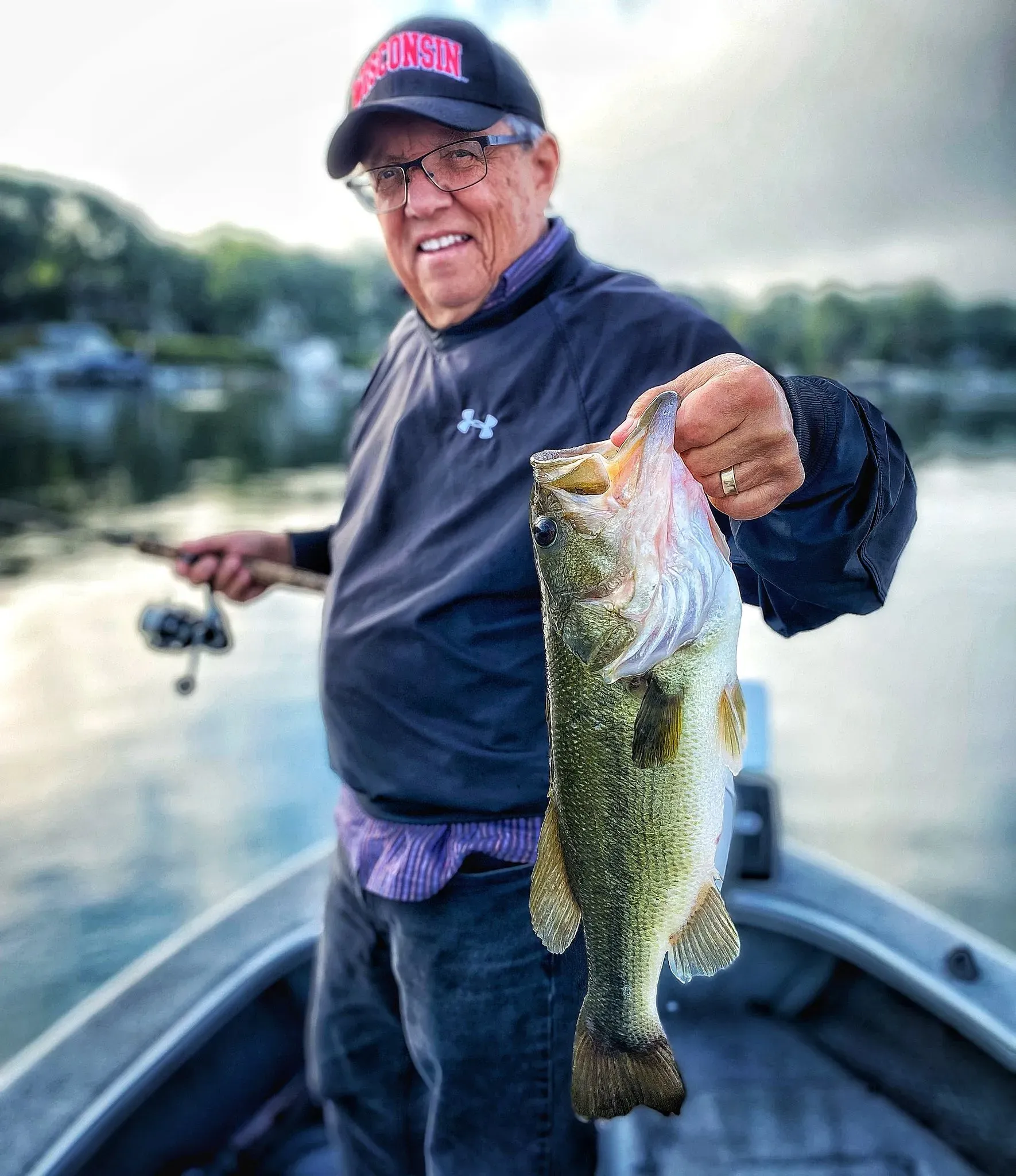
Protected coves create calmer conditions where vegetation, flooded brush, and submerged cover attract largemouth bass. These fish often stay close to heavy cover before moving short distances to feed. Working these quieter sections patiently usually produces better results than quickly covering large areas.
Open Water Favors Striped Bass
Unlike bass that remain close to shoreline structure, striped bass frequently roam open water while following schools of baitfish. Their movement changes throughout the day, making observation and mobility important parts of a successful strategy. This variety is one reason Arizona fishing attracts anglers looking for more than a single-species experience.
Shallow Flats Attract Redear Sunfish
Redear sunfish prefer slower, shallower areas where they can feed around sandy bottoms and aquatic vegetation. These locations often provide steady action and are especially enjoyable for anglers who appreciate consistent bites while exploring a different side of Lake Havasu's fishery.
Don't Fish the Whole Lake the Same WayDon't Fish the Whole Lake the Same Way
Fishing every section of Lake Havasu with the same presentation often leads to missed opportunities. The lake changes dramatically from one area to another, so adapting your approach to the surrounding habitat usually produces better results than relying on a single technique.
Rock Banks = Focus on Precision
Rocky shorelines contain cracks, ledges, and depth changes where fish can hold throughout the day. Rather than making long casts into open water, concentrate on placing your presentation close to natural structure and thoroughly working each section before moving on.
Brush Pockets = Slow Things Down
Brush-covered areas provide ideal cover for fish waiting to ambush prey. Instead of retrieving quickly, allow your presentation to remain near the cover longer, giving fish more time to react.
Main-Lake Points = Cover More Water
Points often act as natural travel routes for baitfish and predators. Fish may not stay in one exact location, so making casts from different angles while gradually covering the area helps locate active fish.
Channel Edges = Watch for Changing Depth
The edges of river channels frequently create natural feeding zones as fish move between shallow and deeper water. Paying attention to these transitions allows anglers to fish areas where several species may pass throughout the day.
Let Fish Activity Decide Your Next Move
Successful anglers constantly observe what's happening around them instead of following a fixed plan. Small changes on the water often reveal where fish are feeding and whether it's time to adjust your location or presentation.
If You Notice Surface Feeding...
Groups of baitfish breaking the surface or sudden splashes often signal active predators nearby. Rather than casting randomly across the lake, move into the area carefully and work around the feeding activity without disturbing it.
If Baitfish Seem to Disappear...
When baitfish become difficult to locate, predators often spread out as well. This is a good time to explore another section of the lake instead of continuing to fish unproductive water.
If the Wind Begins to Build...
A changing breeze can reposition baitfish along windblown banks and points. Checking these areas after the wind shifts may reveal fresh opportunities that weren't available earlier.
If Boat Traffic Increases...
Busy recreational traffic can temporarily change fish behavior, especially in popular sections of the lake. Moving into quieter coves or less-pressured water often creates a more relaxed fishing environment while increasing your chances of finding active fish.
Which Species Fits Your Fishing Style?
Every angler enjoys a different kind of challenge. Lake Havasu gives you the freedom to pursue fish that match your preferred fishing style rather than following a single pattern all day. Knowing what each species offers can help you plan a trip that suits your goals.
If You Enjoy Powerful Runs
Striped bass are known for their strength and endurance. They often travel in schools, so finding one active group can lead to steady action. Anglers who enjoy covering water and battling hard-fighting fish usually gravitate toward this species.
If You Like Precision Fishing
Smallmouth bass reward careful presentations around rocky habitat. They frequently hold near ledges, boulders, and depth changes, making accurate casting and patience more important than making a high number of casts.
- Thrive around hard structure.
- React well to natural presentations.
- Often use deeper water nearby for cover.
- Deliver energetic fights even at moderate sizes.
If You Prefer Fishing Around Cover
Largemouth bass spend much of their time near brush, docks, vegetation, and protected coves. They suit anglers who enjoy picking apart structure methodically and waiting for decisive strikes rather than constantly moving around the lake.
If You Want Relaxed, Steady Action
Redear sunfish provide an enjoyable option for anglers looking for consistent bites. Their willingness to feed around shallow flats makes them a great choice for families, beginners, or anyone wanting a change of pace between bass fishing sessions.
Places Most Anglers Fish Too Quickly
Some of Lake Havasu's most productive water is often overlooked because anglers move through it without slowing down. Spending a little more time in these transition areas can reveal fish that many boats pass by.
- Rock Transitions: Where large rock changes into smaller gravel or mixed bottom, fish often pause while moving between feeding and resting areas. These subtle changes deserve more attention than they usually receive.
- Secondary Points: Most anglers immediately head to prominent main-lake points, leaving smaller secondary points with far less pressure. These quieter locations can become productive holding areas when fish avoid heavier boat traffic.
- Narrow Coves: Smaller coves are easy to overlook, yet they often provide calmer water, available cover, and concentrated baitfish. Checking several narrow pockets instead of one large bay can produce surprising results.
- Drop-Offs Near Shallow Water: Bass frequently move between shallow feeding areas and nearby deeper water. Fishing along these connecting edges allows you to intercept fish traveling between the two.
- Dock Edges: Boat docks create shade, overhead protection, and structure that attracts baitfish. Rather than making a single cast beside each dock, work multiple angles before moving to the next one.
What Experienced Anglers Notice First
Successful anglers spend as much time observing as they do casting. Small details often explain why fish are active in one area while another section of the lake remains quiet.
Observation: Birds repeatedly diving over open water.
Decision: Watch for baitfish activity before making your first cast. Feeding birds often indicate predators working beneath the surface.
Observation: Wind begins pushing across one shoreline.
Decision: Check the windblown bank instead of avoiding it. Baitfish commonly gather there, attracting larger predators.
Observation: Water color changes from clear to slightly stained.
Decision: Adjust your presentation to suit visibility rather than continuing with the same approach everywhere on the lake.
Observation: Several boats continue fishing one crowded location.
Decision: Consider exploring less-pressured water. Fish often respond better where boat traffic is lighter.
Many first-time visitors shorten the learning curve by spending a day with experienced Arizona fishing guides, gaining practical insight into how these observations influence fishing decisions throughout Lake Havasu.
Making a Full Day on Lake Havasu Count
Fishing Lake Havasu offers enough variety to keep anglers busy from sunrise until the final cast. Rather than staying in one location, build your day around changing conditions and let the lake guide your next move.
Begin the morning by checking areas where fish are actively feeding before recreational boat traffic increases. As the day progresses, shift toward structure that provides shade or quick access to deeper water. If conditions change, don't hesitate to explore another section of the lake instead of waiting for fish to return.
Before reserving a guided trip, many anglers compare fishing charter rates alongside trip length, what's included, and seasonal availability. Looking beyond the advertised price helps you choose an outing that matches both your expectations and the amount of time you want to spend on the water.
Experience Lake Havasu with Reddy Guide Service
Lake Havasu rewards anglers who understand how its changing habitat influences fish movement throughout the day. Knowing when to move, where to focus your efforts, and how to adapt to conditions often makes a significant difference between a slow outing and a productive one. Local experience helps remove much of the guesswork while allowing you to spend more time fishing.
Reddy Guide Service provides guided trips designed around your goals, whether you're hoping to catch your first smallmouth bass, target hard-fighting striped bass, or enjoy a day pursuing multiple species across the lake. Every trip is an opportunity to build confidence, learn practical techniques, and experience one of Arizona's premier fisheries with knowledgeable local guidance.
Conclusion
Lake Havasu stands out because it offers something for nearly every angler, from the powerful runs of striped bass to the structure-oriented challenge of smallmouth bass, the cover-loving largemouth bass, and the steady action of redear sunfish. Success comes from paying attention to changing conditions, adapting your approach to different areas of the lake, and understanding how each species uses its habitat. Every trip presents new opportunities to learn and improve while enjoying one of the Southwest's most respected fishing destinations. When you're ready to experience everything Lake Havasu has to offer, plan your next outing with Reddy Guide Service.
Frequently Asked Questions
1. Why is Lake Havasu considered a multi-species fishing destination?
Lake Havasu offers diverse habitats, including rocky shorelines, open water, coves, and shallow flats, allowing several popular game fish species to thrive within the same lake.
2. Can I catch more than one target species in a single day?
Yes. Many anglers catch multiple species during one trip by moving between different habitats and adjusting their fishing approach as conditions change.
3. Are rocky shorelines productive throughout the year?
Rocky areas consistently attract fish because they provide cover, feeding opportunities, and access to changing depths, although fish locations vary with conditions.
4. Is Lake Havasu suitable for beginner anglers?
Absolutely. The lake offers a wide range of fishing opportunities, making it enjoyable for beginners while still providing challenges for experienced anglers.
5. Should I keep fishing one productive spot?
If fish activity slows significantly, exploring another nearby area often produces better results than remaining in the same location for extended periods.
6. Does wind always make fishing more difficult?
Not necessarily. Wind can reposition baitfish and create feeding opportunities along certain shorelines, making some areas more productive than calm water.
7. Can I fish from shore at Lake Havasu?
Yes. Several public access areas provide shoreline fishing opportunities, particularly around parks, coves, and sections with accessible structure.
8. What's the biggest advantage of understanding fish habitat?
Knowing how different species use rocks, brush, channels, and flats helps anglers spend more time fishing productive water instead of relying on trial and error.
9. Are redear sunfish only found in shallow water?
They often prefer shallow areas, but their location can change depending on water conditions, food availability, and seasonal movements.
10. What should I do before launching my boat?
Check weather conditions, confirm your equipment is ready, review local regulations, and carry a valid fishing license so you can enjoy a safe and uninterrupted day on the water.