/filters:format(jpeg,png)/fit-in/300x300/guide_websites/87679/images/image26.png)
/filters:format(jpeg,png)/fit-in/237x80/guide_websites/87679/images/image26.png)
Inland Ice Fishing in Southeastern Wisconsin for Northern Pike, Yellow Perch, Largemouth Bass & Walleye
%2Ffit-in%2F1000x1000%2Ffilters%3Aformat(webp)%2Fguide_websites%2F87679%2Fimages%2F1770229628737image58.png&w=1920&q=75)
Updated: July 28, 2026
When winter settles across southeastern Wisconsin, many inland lakes become excellent destinations for anglers looking to stay on the water despite freezing temperatures. Unlike Lake Michigan, these lakes offer a mix of shallow vegetation, deep basins, rocky points, and transition areas that support several popular game fish throughout the ice season. Success comes from understanding where each species spends the winter and how changing conditions influence their daily activity. A thoughtful approach can turn a cold day on the ice into a rewarding fishing experience.
Why Inland Lakes Are Ideal for Ice Fishing in Southeastern Wisconsin
Southeastern Wisconsin is home to numerous inland lakes that remain productive throughout the winter months. Their varied underwater features allow different fish species to occupy separate habitats, giving anglers the opportunity to target more than one species during a single outing.
- Diverse Lake Structure: Many inland lakes include weed beds, drop-offs, deep holes, rock bars, and shallow flats, creating suitable winter habitat for a variety of fish.
- Consistent Winter Fishing: As ice conditions stabilize, many lakes provide dependable fishing opportunities from early winter through late ice.
- Less Crowded Waters: Compared to peak open-water seasons, winter often brings a quieter fishing experience with fewer boats and less disturbance.
- Multiple Target Species: Anglers can pursue northern pike, yellow perch, largemouth bass, and walleye without traveling between different fisheries, making inland Wisconsin fishing both convenient and rewarding.
Where Different Fish Spend the Winter
Not every fish uses the lake in the same way after ice forms. Understanding each species' preferred winter habitat helps narrow your search and improves your chances of finding active fish.
Northern Pike
Northern pike often remain close to healthy weed edges where smaller fish gather for cover. These ambush predators usually stay near vegetation with quick access to deeper water.
Yellow Perch
Yellow perch commonly move in schools and spend much of the winter around basin edges, underwater flats, and areas with soft bottom. Once a school is located, anglers may enjoy consistent action.
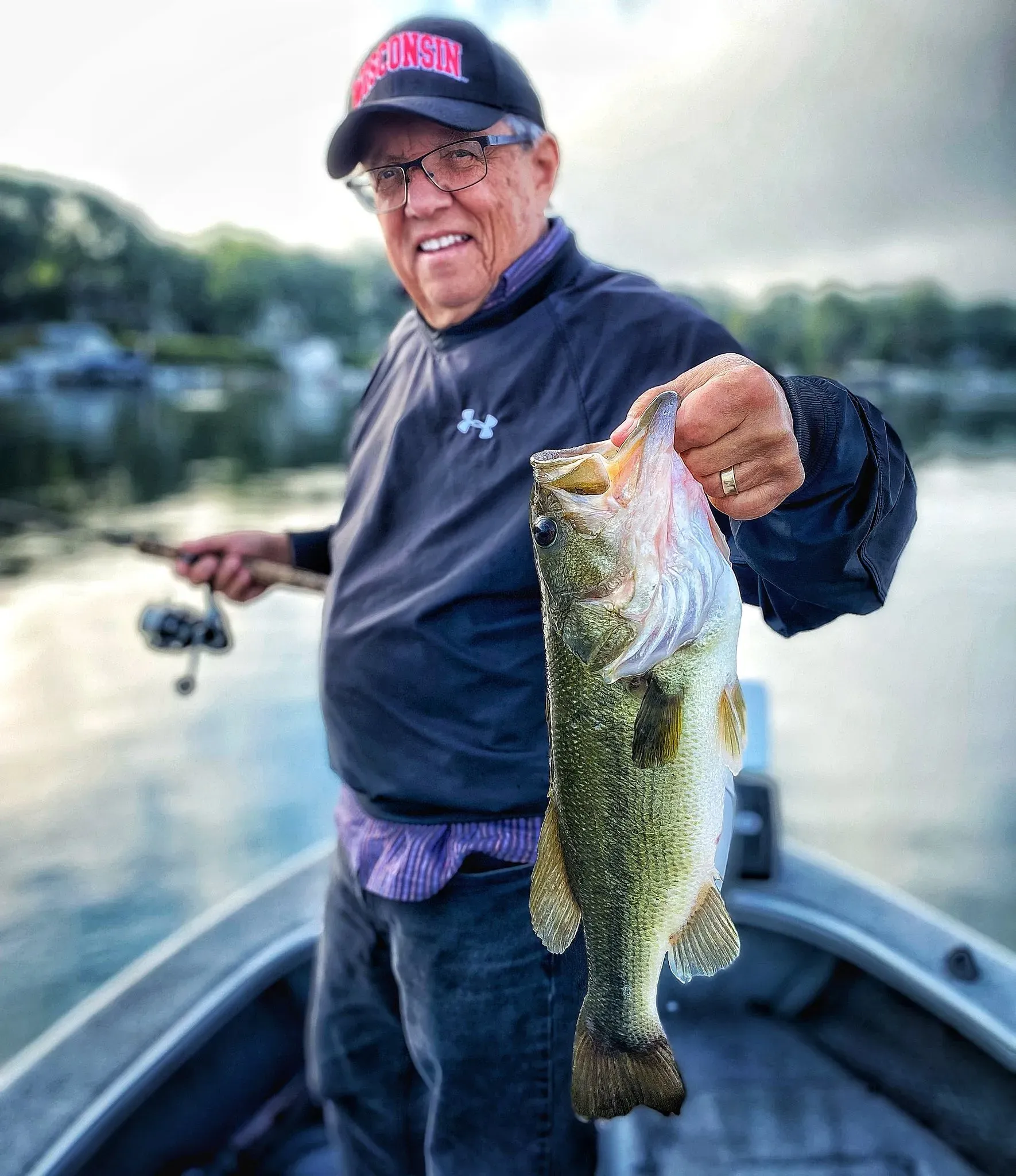
Largemouth Bass
During winter, largemouth bass become less active than they are in warmer months. They frequently hold near submerged timber, remaining vegetation, or deeper structure where they can conserve energy.
Walleye
Walleye typically relate to rocky points, underwater humps, and drop-offs. They often use these transition areas while moving between resting locations and feeding zones during periods of increased activity.
Planning Your Day Before Stepping onto the Ice
A little preparation before leaving home can make your time on the lake more productive. Instead of deciding everything after you arrive, create a simple plan that matches the species you want to target.
- Choose Your Primary Target: Decide whether your main goal is catching pike, perch, bass, or walleye. This helps narrow down where you'll begin fishing.
- Study the Lake Layout: Review a lake map to identify likely winter habitat such as weed lines, deep basins, and underwater points before heading out.
- Allow Time to Adjust: Fish movement can change throughout the day, so be prepared to explore another area if your first location isn't producing.
- Check Current Conditions: Ice thickness, recent weather, and local reports provide valuable information that can influence both safety and fishing success.
Winter Conditions That Can Change Fish Activity
Fish don't respond to winter weather in the same way every day. Even when ice conditions appear unchanged, factors such as snow cover, oxygen levels, and sunlight can influence where fish hold and how actively they feed.
- Snow Cover: A thick layer of snow blocks sunlight from reaching the water below. In some lakes, this encourages fish to move into slightly shallower areas where light penetration is greater.
- Ice Thickness: As ice continues to build, some lakes experience reduced oxygen in certain areas. Fish often relocate to sections with better water quality and more stable conditions.
- Weather Changes: A sudden warming trend or a rapid drop in temperature can temporarily affect fish activity. Stable winter weather generally creates more predictable movement patterns.
- Time of Day: Activity levels often change between morning, midday, and evening. Staying on the ice during different periods increases your chances of finding active fish.
Common Ice Fishing Mistakes and How to Avoid Them
Even experienced anglers occasionally fall into habits that reduce their chances of success. Recognizing these common mistakes can help you make better decisions throughout the day.
- Fishing One Area Too Long: If a location shows little sign of fish activity after a reasonable amount of time, consider exploring another section of the lake rather than waiting for fish to arrive.
- Ignoring Underwater Vegetation: Remaining green weeds continue to provide food and shelter during winter. Overlooking these areas may mean missing active northern pike and largemouth bass.
- Changing Locations Too Frequently: Constantly drilling new holes without giving productive areas enough time can make it difficult to establish a consistent pattern.
- Skipping Local Knowledge: Every inland lake behaves differently during winter. Fishing with experienced Wisconsin fishing guides can help you understand seasonal fish movement, productive habitats, and changing lake conditions much more efficiently.
Ice Safety Should Always Come First
A productive day begins with making smart decisions before stepping onto the ice. Conditions can change throughout the season, so safety should remain a priority regardless of previous experience.
- Measure ice thickness before walking or driving onto the lake.
- Carry essential safety equipment such as ice picks and a throw rope.
- Wear layered clothing to stay warm as weather conditions change.
- Avoid fishing alone whenever possible.
- Keep a charged mobile phone in a waterproof container for emergencies.
- Carry a valid Wisconsin fishing license and review local regulations before beginning your trip.
Choosing the Right Lake for Your Fishing Goals
Not every inland lake fishes the same during winter. Some are better known for trophy northern pike, while others consistently produce yellow perch or walleye. Selecting a lake that matches your target species often leads to a more enjoyable and productive outing.
Before booking a guided trip, compare fishing charter rates alongside trip duration, seasonal availability, and what's included. Looking beyond cost alone helps you choose an experience that aligns with your fishing goals and the amount of time you want to spend on the ice.
Other Fish You May Catch While Ice Fishing
Although northern pike, yellow perch, largemouth bass, and walleye are the primary targets, inland lakes across southeastern Wisconsin support several additional species that can make your day on the ice even more rewarding.
- Bluegill: These popular panfish often gather around submerged vegetation and basin edges during winter, providing consistent action for anglers of all experience levels.
- Black Crappie: Crappies commonly suspend over deeper water and can become active during low-light periods, especially around underwater structure.
- Channel Catfish: While not a common winter target, channel catfish are occasionally caught in inland lakes that maintain healthy populations throughout the colder months.
- White Bass: In lakes where they are present, white bass may be found roaming open water as they follow schools of baitfish.
The diversity of Wisconsin fish species means every trip offers the possibility of catching something unexpected while targeting your preferred game fish.
Experience Inland Ice Fishing with Reddy Guide Service
Exploring unfamiliar lakes during winter can be challenging, especially when fish relocate as conditions change. Local knowledge helps you spend more time in productive areas and less time searching for active fish. Understanding how different species use weed beds, drop-offs, and deeper basins throughout the ice season can make a noticeable difference in your overall experience.
Reddy Guide Service offers guided inland ice fishing trips designed for anglers of all skill levels. Whether your goal is catching your first walleye through the ice or spending the day pursuing multiple species, you'll benefit from practical guidance, local experience, and a trip focused on making the most of southeastern Wisconsin's outstanding winter fisheries.
Conclusion
Inland lakes across southeastern Wisconsin provide excellent opportunities to target several popular game fish throughout the winter season. By understanding where different species spend their time, adapting to changing weather and ice conditions, and approaching each outing with patience, anglers can enjoy productive days on the ice from early winter through late season. Every lake offers its own unique challenges and rewards, making each trip a chance to improve your skills and experience a different side of Wisconsin fishing. When you're ready for your next winter adventure, plan a trip with Reddy Guide Service.
Frequently Asked Questions
1. Why are inland lakes popular for ice fishing in southeastern Wisconsin?
Inland lakes provide stable winter habitat, support multiple game fish species, and offer diverse underwater structure that creates productive fishing opportunities throughout the ice season.
2. Can I target more than one species during the same trip?
Yes. Many inland lakes contain northern pike, yellow perch, largemouth bass, and walleye, allowing anglers to pursue different species without changing locations dramatically.
3. Do all fish stay in deep water during winter?
No. Different species prefer different habitats. Some remain near vegetation, while others use drop-offs, rocky structure, or basin edges depending on conditions.
4. How does snow on the ice affect fishing?
Snow reduces the amount of sunlight entering the water, which can influence fish movement and feeding activity in certain lakes.
5. Is early ice better than late ice?
Both periods can produce excellent fishing. Fish behavior changes throughout the season, so adapting to current conditions is more important than focusing on one specific period.
6. Are inland lakes suitable for beginner ice anglers?
Yes. Many lakes offer accessible fishing areas and opportunities to catch several species, making them enjoyable for both beginners and experienced anglers.
7. Why do fish gather near underwater vegetation in winter?
Remaining vegetation provides shelter, attracts smaller forage fish, and creates favorable habitat for predators such as northern pike and largemouth bass.
8. How often should I change fishing locations?
If conditions suggest fish are inactive after giving an area adequate time, moving to another nearby habitat can improve your chances of success.
9. Can changing weather affect fish movement under the ice?
Yes. Stable weather often creates more predictable fish behavior, while sudden temperature changes may temporarily reduce feeding activity.
10. What should I do before heading onto an inland lake?
Check current ice conditions, review the weather forecast, prepare your safety equipment, and confirm that you have everything needed for a safe and enjoyable day on the ice.